



A Landmark Move for Tourists and Ties
In a significant development for tourism and bilateral relations, Uzbekistan will now allow Indian passport holders to enter the country without a visa for up to 30 days. The announcement was made by Uzbek President Shavkat Mirziyoyev during a state visit
by Indian Prime Minister Narendra Modi. This policy is aimed at boosting tourism, business exchanges, and people-to-people connections between the two nations. With 14 direct flights already operating between India and Uzbekistan weekly, this visa exemption removes a key barrier for travellers, making spontaneous trips and planned holidays much easier. The move is expected to attract a new wave of Indian visitors eager to explore Uzbekistan's fabled cities and unique heritage.
Why Uzbekistan Should Be on Your List
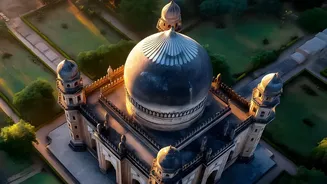
So, why the sudden buzz around Uzbekistan? For centuries, this region was the heart of the Silk Road, a crossroads of empires, trade, and ideas. The result is a stunning collection of cities that feel like open-air museums, filled with jaw-dropping Islamic architecture, bustling bazaars, and a history that connects to India's own Mughal past. The architectural style of the Gur-i-Emir, Timur's tomb in Samarkand, is even considered an inspiration for the Taj Mahal. Beyond the history, travellers will find warm hospitality, a cuisine with familiar flavours like plov (a rice pilaf) and naan, and a surprisingly affordable travel experience.
Samarkand: The Jewel of the Silk Road
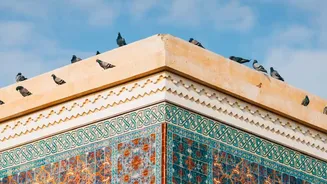
No trip to Uzbekistan is complete without visiting Samarkand. The city’s centrepiece is the majestic Registan Square, a breathtaking ensemble of three grand madrasahs adorned with intricate tilework and soaring minarets. It's a place that truly lives up to its legendary reputation. Other essential sights include the colossal Bibi-Khanym Mosque and the Shah-i-Zinda necropolis, a beautiful street of mausoleums decorated in every shade of blue. Spend your days wandering through ancient sites and your evenings watching the light change over the turquoise domes that have mesmerised travellers for generations.
Bukhara and Khiva: Living Museums
If Samarkand is the majestic heart, Bukhara and Khiva are the country's living soul. Bukhara's historic centre is a UNESCO World Heritage site, a maze of narrow alleys, mosques, and madrasahs that has been meticulously preserved. Key sites include the 12th-century Kalyan Minaret, the Ark of Bukhara fortress, and the tranquil Lyab-i Hauz complex built around a pool. Further west lies Khiva, a walled city so perfectly preserved it feels like stepping back in time. Its inner city, Itchan Kala, is a pedestrian-only zone of mud-walled houses and stunning mosques, including the unique Juma Mosque with its 218 carved wooden columns.
Tashkent: The Modern Gateway
Most journeys to Uzbekistan begin or end in Tashkent, the nation's capital. It’s a city of contrasts, where wide, tree-lined avenues and Soviet-era buildings meet modern infrastructure and the charming chaos of the Old City. Don't miss a ride on the Tashkent Metro, where each station is a unique work of art, featuring everything from intricate mosaics to space-age designs. The Chorsu Bazaar, with its massive green dome, is the perfect place to shop for spices, nuts, and local crafts, offering a vibrant slice of modern Uzbek life before you fly home.
Practical Tips for Your Trip
While the visa-free news is exciting, it’s always wise to check the latest official guidelines from the Embassy of Uzbekistan before booking non-refundable travel. Ensure your passport has at least six months of validity. The best times to visit are during the spring (April to May) and autumn (September to October) when the weather is pleasant. The currency is the Uzbek som, and while credit cards are accepted in larger hotels and restaurants in Tashkent, carrying cash is recommended for smaller towns and bazaars. High-speed trains like the 'Afrosiab' connect major cities like Tashkent, Samarkand, and Bukhara, making travel within the country efficient and comfortable.