




What Exactly is FSSAI Proposing?
The Food Safety and Standards Authority of India (FSSAI) has issued a draft amendment that aims to bring more clarity to your grocery basket. The proposal, called the Food Safety and Standards (Prohibition and Restrictions on Sales) Amendment Regulations,
2026, seeks to restrict the use of the word "paneer" for products that are not made entirely from milk. If the rules are finalised, any product that uses non-milk ingredients to substitute milk components cannot call itself paneer. This means companies currently selling such products under the "Analogue in Dairy Context" category will have to remove the word 'paneer' from their packaging, labels, and all marketing materials. The core goal is to prevent consumers from being misled.
Real Paneer vs. Analogue Paneer: What's the Difference?
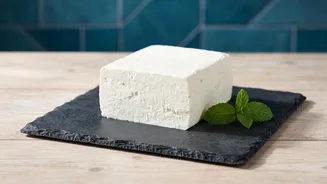
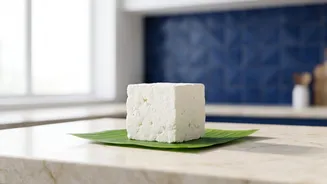
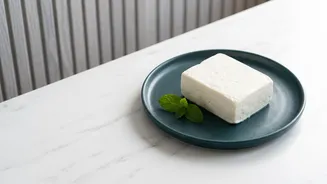
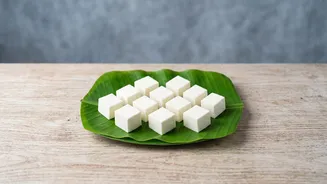
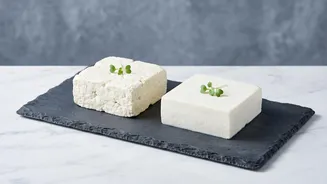
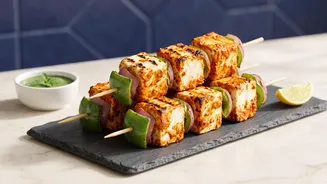
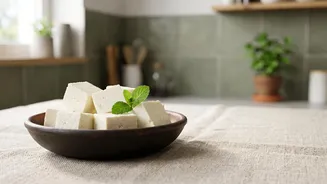
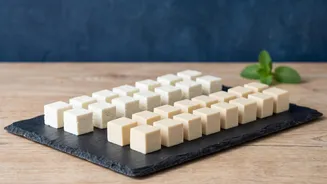
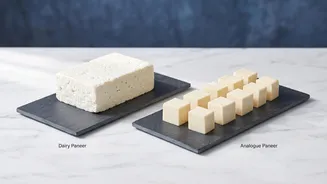
Traditional paneer, as defined by FSSAI, is a simple product made by curdling milk with a permitted acid like lemon juice or vinegar. It’s a fresh cheese where the primary ingredients are milk and milk solids. Analogue paneer, on the other hand, is a product designed to look and feel like paneer but is made by substituting milk components with other ingredients. This often involves replacing natural milk fat and protein with cheaper alternatives like vegetable oils (such as palm oil), starches, and plant proteins, blended with skimmed milk powder and emulsifiers. While not necessarily illegal if labelled correctly, these analogues often have a different nutritional profile, typically containing less protein and lower-quality fats. Consumers might notice differences in texture and taste; real paneer is soft and crumbly, while analogues can feel more rubbery, greasy when cooked, and lack a fresh, milky aroma.
Why is This Happening Now?
The FSSAI's move comes amid growing concerns about the widespread sale of analogue paneer being passed off as the real thing, not just in packages but also in restaurants and food service. Several states, including Maharashtra, Karnataka, and Gujarat, have already taken action, banning the sale of analogue paneer after finding a significant percentage of samples failed to meet quality standards. The national-level proposal aims to create a uniform and unambiguous rule across the country. By specifically targeting the name "paneer," the FSSAI is removing a grey area that allowed these lookalike products to be sold in a misleading way. The primary motivation is to protect consumer trust and ensure that when people buy paneer, they are getting the authentic, nutritious milk product they expect.
How Will This Affect Your Shopping?
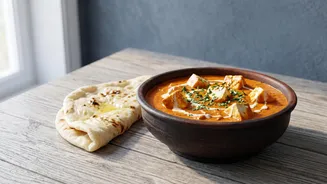
Once these regulations are finalised, you can expect to see clearer labels on packaged goods. Products made with non-dairy ingredients will no longer feature the word "paneer" prominently. Instead, you might see them clearly marked as "analogue" products. This allows you to make a more informed choice based on ingredients, nutritional value, and price. The rules will also extend to restaurants, hotels, and caterers. These establishments will likely be required to disclose on their menus or display boards if they are using an analogue product instead of traditional paneer in their dishes. For you, the consumer, this means greater transparency and the ability to differentiate between a milk-based paneer curry and one made with a vegetable oil-based substitute.
What Happens Next?
It's important to remember that these are currently draft regulations. The FSSAI has invited suggestions and objections from stakeholders, including manufacturers and the public, for a 60-day period following the notification in late September 2026. After this consultation period, the FSSAI will review the feedback before finalising and officially notifying the new rules. This move is part of a larger push by the regulator to clamp down on misleading claims and improve food safety standards across India. For now, consumers can become more vigilant by carefully reading ingredient lists and looking for tell-tale signs of analogue products, such as a rubbery texture or an unusually low price.