







Understanding the Monsoon's Power
Travelling during the rainy season is a unique experience, but it requires a different mindset. The same routes that are reliable in the dry season can become treacherous. In hilly regions like Himachal Pradesh, Uttarakhand, and the ghats of Maharashtra,
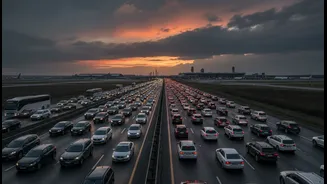
heavy rains can trigger landslides, blocking major highways for hours or even days. Recent monsoon activity has led to road closures and the suspension of pilgrimages as a precautionary measure. In cities and plains, the problem is often urban flooding. Intense downpours can quickly overwhelm drainage systems in cities like Mumbai, Delhi, and Chennai, leading to waterlogged streets that bring traffic to a complete standstill. This isn't a rare occurrence; it's a predictable part of the season's cycle. Your pre-booked cab or bus might be confirmed, but it can't drive through a flooded underpass or a landslide.
Defining Your 'Critical Transfers'
Not all travel legs are created equal. A 'critical transfer' is any journey within your trip where a delay or cancellation would have a major domino effect. Missing a taxi to a local market is an inconvenience. Missing your pre-dawn transfer to the airport for an international flight is a disaster. Think of these as the crucial links in your travel chain. Examples include the journey from your hotel to the airport or train station for your trip home, the final leg to a remote resort with a strict check-in policy, or travelling to attend a time-sensitive event like a wedding. These are the journeys that, if missed, could cost you significant money, time, and stress. The key is to identify these high-stakes transfers before you even pack your bags and give them the extra attention they deserve.
Why Your 'Plan A' Is Not Enough
In the monsoon, a confirmed booking is not a guarantee of service. A train might be cancelled due to water on the tracks, as seen with disruptions to major lines like the Mumbai-Pune route during heavy rains. A bus service may be suspended because the highway is blocked. Even ride-hailing apps can become unreliable, with fare surges and a lack of available cars just when you need them most. The problem isn't your booking; it's the physical reality of the infrastructure's vulnerability to extreme weather. Relying on a single mode of transport for a critical transfer is a gamble. The philosophy shouldn't be, "I have a booking," but rather, "What will I do if my booking is made impossible by the weather?" This is where a robust Plan B, and even a Plan C, becomes essential for peace of mind.
Crafting a Practical Backup Plan
Building a backup plan doesn't have to be complicated. It's about research and readiness. If your primary plan is a scenic train journey through a hilly area, your backup could be knowing the flight schedule from the nearest airport or having the number of a reliable private car service known for using alternative, longer routes. For city-to-airport transfers, your backup to a standard taxi could be a premium app-based service that offers larger vehicles like SUVs, which may have a better chance in moderately waterlogged areas. In some cases, the best backup is time. If you have a critical flight, consider travelling to the airport city a day early. This buffer day is the simplest and most effective backup of all, absorbing any unexpected delays without causing panic.
When and How to Activate Plan B
The decision to switch to your backup plan should be made proactively, not in a last-minute panic. Start monitoring weather forecasts and local news reports 48 hours before your critical transfer. Pay attention to alerts from authorities about road closures or heavy rainfall warnings. Keep the contact details of your backup options—be it a different taxi company, a car rental service, or flight booking apps—readily available on your phone. If reports are looking grim, don't wait for your original transport to cancel on you. Activate Plan B early. This might mean leaving for the airport several hours earlier than planned or booking that alternative flight before prices surge. A little extra cost or time spent waiting at the airport is a small price to pay for ensuring you make your connection.