





A Once-in-a-Generation Spectacle
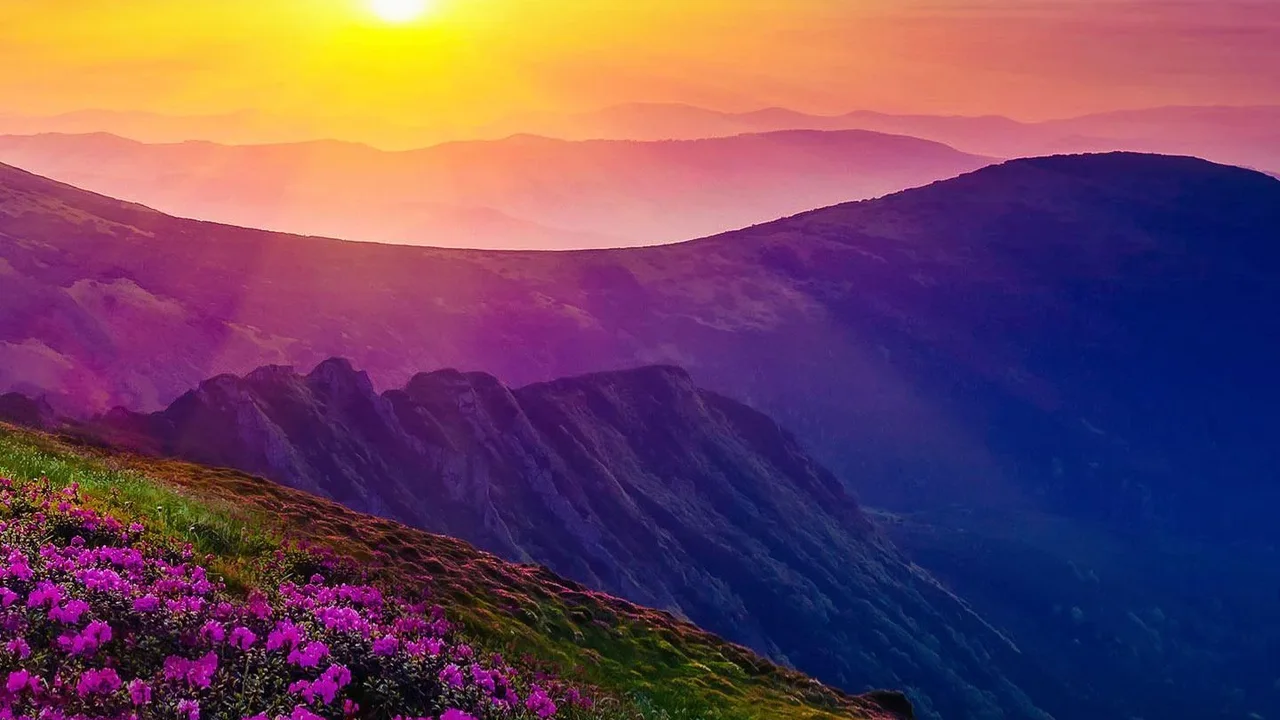
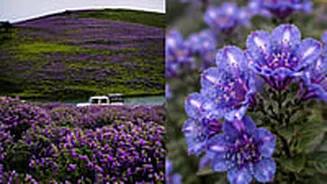
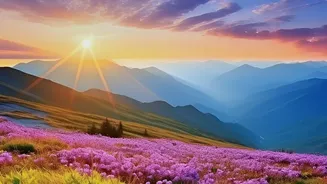
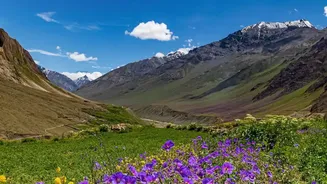
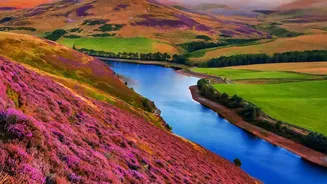
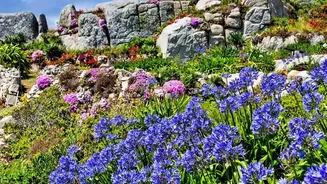
Across the high-altitude grasslands of Munnar, a quiet miracle is taking place. The Neelakurinji, or Strobilanthes kunthiana, has begun its mass flowering, an event that occurs only once every 12 years. For a few precious months, from roughly August to
October 2026, vast stretches of the Western Ghats are being painted in ethereal shades of violet and blue. This year's bloom is primarily concentrated in the Chokramudi and Mattupetty-Korandakkad regions, drawing nature lovers, botanists, and photographers to witness a phenomenon that has been documented for nearly two centuries. It is a fleeting wonder; after the bloom, these plants will die, and their seeds will lie dormant for another dozen years before repeating the cycle.
The Science of the 12-Year Cycle
Neelakurinji is a monocarpic plant, meaning it flowers, sets seeds, and then dies just once in its lifetime. This unique life cycle, known as gregarious flowering, is an evolutionary marvel. Scientists believe this synchronised mass blooming is a survival strategy. By flowering all at once in such large numbers, the plants overwhelm seed predators, ensuring that enough seeds survive to produce the next generation. The 12-year interval is one of nature’s most fascinating clocks. This isn't an isolated event; there are about 46 species of Strobilanthes in India, many with their own unique flowering cycles, but the 12-year bloom of Strobilanthes kunthiana is the most famous. It's important to note that different populations have different clocks; while areas around Chokramudi are blooming in 2026 following their last bloom in 2014, the famous Eravikulam National Park will have its next major bloom in 2030, following its 2018 event.
A Flower Woven into Culture
The significance of Neelakurinji extends far beyond its biological rarity. Its name is etched into the very geography of the region; the Nilgiri Hills, which translates to 'Blue Mountains', are named after the flower's purplish-blue blossoms. For local indigenous communities like the Paliyan and Muthuvan tribes of Kerala and Tamil Nadu, the blooming is a cultural touchstone. The Paliyan people have traditionally used the 12-year cycle to calculate their age, marking life's milestones by the number of blooms they have witnessed. The flower also holds a place in ancient Tamil Sangam literature, where 'Kurinji' refers to the mountainous landscape itself, symbolizing love and longing.
An Ecological Keystone
The mass flowering is a critical event for the local ecosystem. The abundance of nectar attracts a huge number of pollinators, especially honeybees. This period leads to the production of a rare, dark, and highly valued 'Kurinjithen' or Kurinji honey, which is collected by local communities and is believed to have medicinal properties. As an indicator species, the health of the Neelakurinji population reflects the health of the fragile Shola grassland ecosystem it inhabits. These grasslands, found nestled between mountain forests in the Western Ghats, are a biodiversity hotspot, and protecting the Neelakurinji helps conserve countless other species.
A Fragile Beauty Under Threat
Despite its celebrated return, the future of Neelakurinji is uncertain. The species is now classified as 'Vulnerable' on the IUCN Red List. Its habitat has been shrinking significantly due to the expansion of tea and eucalyptus plantations, infrastructure development, and urbanization. The influx of tourists during the blooming season, while economically beneficial, adds immense pressure through trampling and waste. Unregulated tourism can damage the plants before they have a chance to disperse their seeds for the next generation. Conservationists and government bodies, including the National Green Tribunal, are calling for stricter regulations, habitat restoration, and sustainable tourism practices to protect this natural heritage.