




Ever stared at a food label, puzzled by unfamiliar names and numbers? You're not alone. This guide will help you understand what preservatives in your favourite packaged foods are, why they're there, and how to make informed choices easily.
Why Are Preservatives Even Used?
Before seeing
preservatives as villains, it helps to know their role. Food preservatives are substances added to products like sauces, pickles, and snacks to prevent spoilage. They stop the growth of harmful microorganisms like bacteria, mould, and yeast, and slow down oxidation, which causes fats to go rancid and food to lose quality. In a country with high temperatures and long supply chains, preservatives are crucial for ensuring that food remains safe to eat from the factory to your kitchen. Without them, many packaged goods would spoil long before reaching the store shelves.
The Two Main Classes of Preservatives
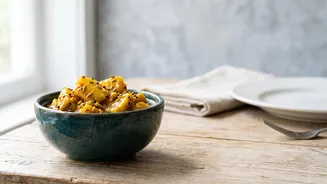
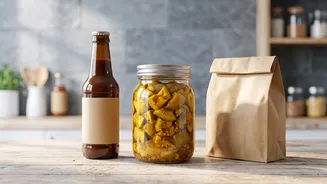
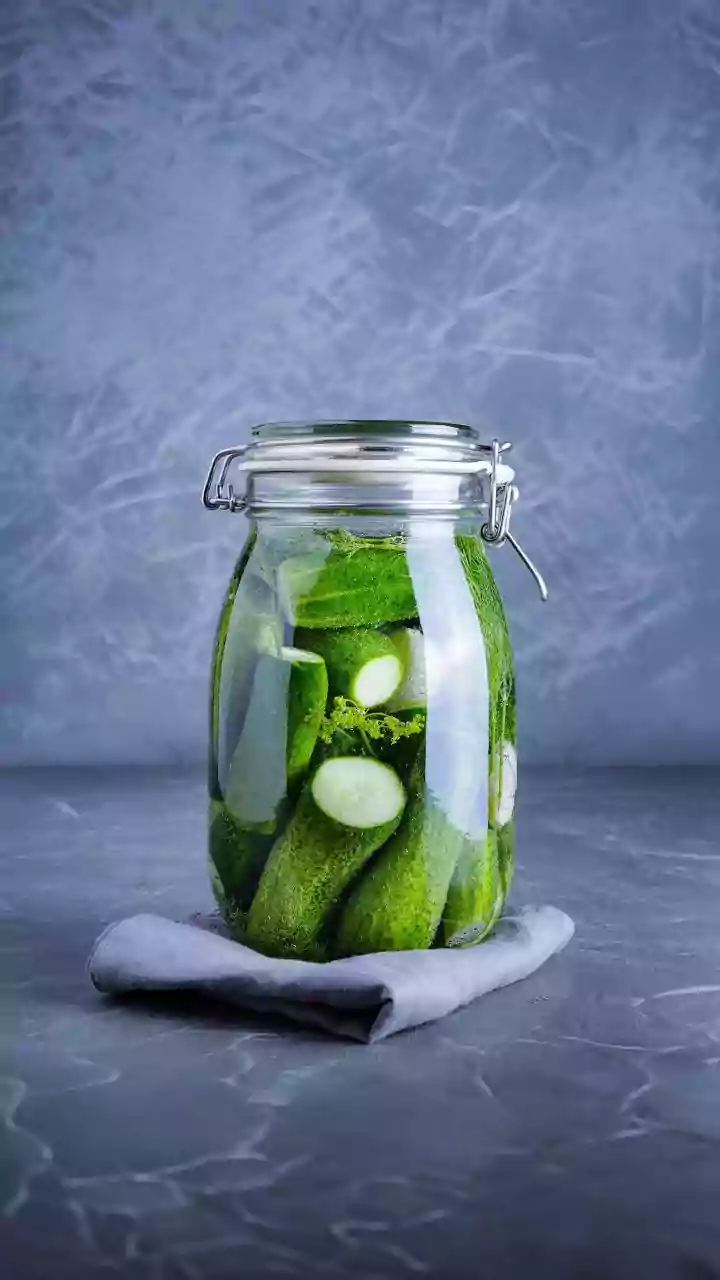
India's food safety authority, FSSAI, categorises preservatives into two main groups, and understanding this distinction is key. Class I preservatives are natural substances that have been used for centuries, like common salt, sugar, vinegar, honey, spices, and edible oils. Think of traditional homemade 'achaar', which uses salt, oil, and spices to last for months. These are generally considered safe and have no strict usage limits.
Class II preservatives are synthetic or chemical compounds. These include substances like benzoates, sorbates, and sulphites. Because they are more potent, their use is strictly regulated by FSSAI, which specifies which foods can contain them and at what maximum levels. Legally, a single food product is generally not supposed to contain more than one type of Class II preservative.
Decoding the Ingredients List
So, how do you find this information? Flip the package over to the ingredients list. Manufacturers must declare preservatives. You'll find them listed in one of two ways: by their chemical name (e.g., 'Sodium Benzoate') or by their International Numbering System (INS) code, like 'Preservative (INS 211)'. The INS system is a global standard to ensure every additive has a unique, identifiable number. Don't be intimidated by the numbers; they are simply codes for the chemical names. Often, you'll also see the phrase 'Contains Permitted Class II Preservative', which is a general declaration.
Common Preservatives to Know
You will frequently encounter a few common Class II preservatives in sauces, pickles, and snacks. Here are some of them:
Sodium Benzoate (INS 211): This is one of the most widely used preservatives, especially effective in acidic foods. You'll find it in sauces, carbonated drinks, jams, and pickles.
Potassium Sorbate (INS 202): Effective against moulds and yeasts, this is often used in cheese, baked goods, and sauces.
Sulphur Dioxide & Sulphites (INS 220-228): These act as both antimicrobials and antioxidants, preventing browning. They are common in dried fruits, juices, and some processed foods. Some individuals, particularly those with asthma, can be sensitive to sulphites.
Acetic Acid (INS 260) & Citric Acid (INS 330): These are acids, with acetic acid being the main component of vinegar. While they are found naturally, they are often added to commercial pickles and sauces to regulate acidity and inhibit bacterial growth.
* BHA & BHT (INS 320, E321): These are antioxidant preservatives used in fat-containing products like fried snacks and oils to prevent them from going rancid.
Making Smarter Choices in the Aisle
Reading labels isn't about avoiding every single preservative. It’s about being an informed consumer. Start by reading the full ingredients list, not just the claims on the front of the package. A 'preservative-free' label might simply mean the product is preserved using high amounts of Class I preservatives like salt or sugar. If you see an unfamiliar INS number, a quick search on your phone can tell you what it is. Compare two similar products and perhaps choose the one with fewer additives or only Class I preservatives. While FSSAI regulates the amounts of Class II preservatives to levels considered safe for consumption, some people prefer to limit their intake. A balanced diet rich in fresh, unprocessed foods is always a good foundation, with packaged items used for convenience.