




A Fusion of Familiar and New
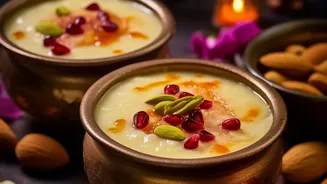
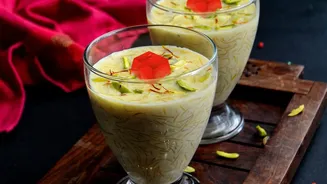
Indian desserts are seeing a wave of creative fusion, from gulab jamun cheesecakes to motichoor ladoo parfaits. The Sabudana Rasmalai is a prime example of this trend, blending the universally loved flavours of rasmalai with the unique texture of sabudana.
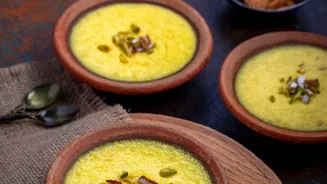
This isn't about replacing the original but offering a delightful alternative. The core idea is to take the rich, fragrant milk (rabri) of rasmalai and introduce soft, chewy tapioca pearls, creating an experience that is both comforting and surprising. The result is a dessert that has the soul of rasmalai but with a mouthfeel that is closer to a boba milk tea or a sophisticated kheer.
Deconstructing the Sabudana Rasmalai
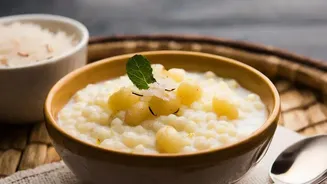
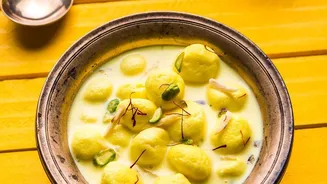
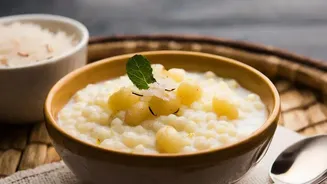
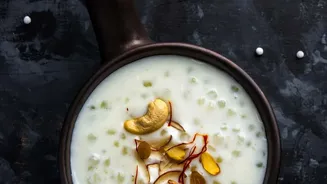
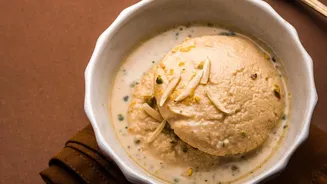
There are two main approaches to this dessert in practice. In the first, and more common version, sabudana itself becomes the 'rasmalai'. Soaked tapioca pearls are ground or mixed with a binder like milk powder, shaped into small balls or flat discs, and then cooked gently in the sweetened milk. These balls absorb the creamy, saffron-infused milk and become incredibly soft and spongy. The second approach is simpler: a traditional rabri is prepared, and cooked sabudana pearls are stirred into it, much like a Sabudana Kheer but with the richer, reduced milk of a rasmalai. Both methods result in a dessert where the familiar taste of cardamom and saffron is punctuated by chewy, pearly bites.
The Taste and Texture Experience
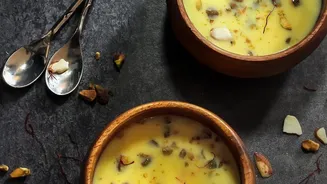
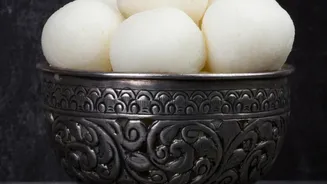
The magic of this dessert lies in its textural contrast. Traditional Rasmalai is celebrated for its soft, spongy chenna patties that melt in your mouth. Sabudana Rasmalai, on the other hand, introduces a delightful chewiness. When cooked properly, sabudana pearls are soft on the outside with a slight, satisfying bite in the centre. Floating in the sweet, creamy milk, they provide a playful textural element. The flavour profile remains classic: the sweetness of the reduced milk, the fragrance of saffron and cardamom, and the richness of pistachios and almonds for garnish. It’s a dessert that feels both nostalgic and modern on the palate.
A Perfect Dessert for Fasting Days
One of the most practical advantages of Sabudana Rasmalai is its suitability for religious fasts (vrat or upvas). Sabudana is a widely accepted ingredient for fasting menus in India, providing energy and satiety. While many sweets are off-limits during these times, this innovative dessert allows one to enjoy the luxurious flavours of rasmalai in a vrat-friendly format. Since it's made without chenna (which is sometimes avoided depending on individual fasting rules) and uses grain-free sabudana, it has become a popular choice for festivals like Navratri, Maha Shivratri, and Janmashtami.
Tips for Getting it Right in Your Kitchen
Thinking of trying it at home? The key to success is in how you handle the sabudana. First, always rinse the pearls to remove excess starch, which prevents them from becoming gluey. Soaking is crucial; most recipes call for soaking the sabudana for a few hours until it becomes soft. If you are making the sabudana 'balls', mixing the soaked pearls with a little milk powder can help with binding and add richness. When cooking these balls in the milk, be gentle. A low, slow simmer prevents them from breaking apart, ensuring they cook through while remaining soft and intact. Whether you add the pearls to the milk or form them into patties, the goal is for the sabudana to turn translucent, signalling that it's perfectly cooked.