

The Golden Rule: How Much Sun Is Enough?
Lemon trees are sun worshippers. To power the growth of leaves, fragrant blossoms, and ultimately, fruit, they require a substantial amount of direct sunlight. The absolute minimum for a lemon tree to survive and produce fruit is six hours of direct,
unfiltered sun per day. However, for truly abundant growth and a heavy crop, aiming for eight or more hours is ideal. Think of sunlight as the fuel for your plant; more fuel means more energy to produce those coveted lemons. Without hitting this six-hour minimum, you might have a lovely green plant, but it will likely fail to flower or set fruit.
Prime Real Estate: The Best Outdoor Placements
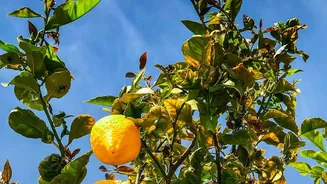
If you are growing your lemon plant outdoors in a pot or in the ground, location is everything. The best possible spot is one that receives full, direct sun for most of the day. In most regions, a south-facing location is perfect as it gets the most prolonged sun exposure. Patios, balconies, and open garden spots that aren't overshadowed by larger trees or buildings are excellent choices. While lemon trees love heat, in extremely hot climates, some protection from the most intense afternoon sun can prevent leaf scorch. A spot that receives bright morning sun and some filtered light during the peak heat of the afternoon can be a good compromise. When transitioning a plant outdoors for the summer, acclimate it slowly over a week or two to prevent shock from the sudden increase in light intensity.
Bringing the Sunshine Indoors
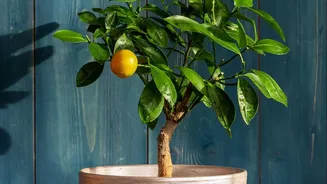
Growing a lemon tree indoors presents a greater challenge, as household windows filter and reduce light intensity. Your best bet is an unobstructed, south-facing window, which provides the most hours of direct sun. Place the plant as close to the glass as possible, as light levels drop significantly even a few feet away. A west-facing window is a workable second choice, though it may only provide 4-5 hours of direct sun. An east-facing window generally isn't sufficient for fruiting, and a north-facing window should be avoided entirely. If you lack a spot with at least six hours of natural light, you will need to supplement with a full-spectrum grow light for 10-12 hours daily to encourage flowering and fruiting.
Reading the Leaves: Signs of Light Trouble
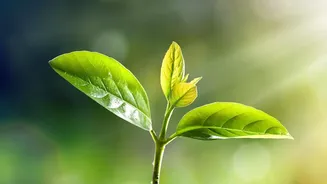
Your lemon plant will give you clear signals if its lighting conditions aren't right. The most common issue, especially for indoor plants, is insufficient light. Symptoms include a lack of flowers, or flowers that drop before setting fruit. You might also see leggy, stretched-out new growth with pale leaves, and a tendency to drop leaves, particularly after being moved indoors for the winter. On the other hand, too much intense sun, especially when a plant isn't accustomed to it, can cause sunscald. This appears as yellow, white, or brown patches on the leaves and fruit. The leaves might also curl inward as a sign of heat stress. A healthy, well-sited plant will have deep green leaves and a compact, sturdy shape.
A Simple Tip for Even Growth
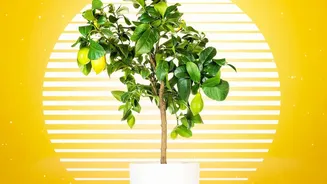
Whether your lemon plant is indoors or outdoors, it's a good practice to give it a quarter turn every week or two. Plants naturally grow towards their light source. Rotating your pot ensures that all sides of the plant receive adequate sunlight over time. This promotes more balanced, even growth and prevents the plant from becoming lopsided. For indoor plants, this rotation is especially crucial to maximize the light exposure for the entire canopy. Regular pruning to open up the canopy can also help light penetrate deeper into the plant, improving overall health and fruit production.