


More Than Just Mud
Those adorable paw prints on your floor are more than just dirt. Every time your dog steps outside, their paws act like tiny sponges, picking up a cocktail of invisible substances. These can include environmental allergens like pollen and grass, which
can trigger itching and discomfort. More concerning are pesticides from lawns, chemicals from treated roads, and bacteria that can be harmful if your dog licks their paws. Establishing a consistent cleaning routine after every walk helps prevent these contaminants from spreading through your home and protects your pet from ingesting them during self-grooming.
Your First Line of Defence: The Simple Rinse
For daily walks that don't involve a roll in a giant mud puddle, a simple rinse is often all you need. Set up a designated cleaning station by your door with a shallow basin of lukewarm water and a soft towel. Gently dip each paw into the water, swishing it around to loosen dirt. Use your fingers to gently massage between the paw pads and toes where debris loves to hide. This basic method is effective for removing most surface-level dirt and allergens without needing any special products. It's a quick, easy, and cost-effective first step towards cleaner paws.
Upgrading Your Paw Cleaning Toolkit
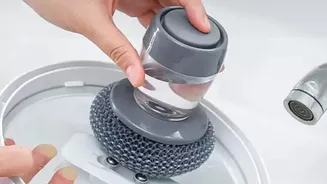
For days when a simple rinse won't cut it, or for more convenient on-the-go cleaning, a few tools can make a big difference. Pet-safe grooming wipes are a popular choice for quick, daily maintenance and are perfect for keeping in the car. Unlike baby wipes, which can have the wrong pH for a dog's skin, pet-specific wipes are formulated to be gentle and effective. For seriously muddy paws, a paw washer cup, which has soft silicone bristles inside, can be a game-changer. You simply add a little water, insert your dog's paw, and twist gently to scrub away stubborn grime.
Choosing a Safe Cleaning Solution
When water alone isn't enough, it's crucial to use a cleaning solution that is safe for your dog. A small amount of mild, dog-specific shampoo is a reliable option for a deeper clean. Human shampoos, dish soaps, and harsh chemical cleaners should be avoided as they can strip the natural oils from your dog's paw pads, leading to irritation and dryness. For a DIY approach, some veterinarians suggest highly diluted solutions. However, the safest bet for routine use remains either plain water or products explicitly formulated for dogs, such as no-rinse foaming cleansers that are pH-balanced and gentle enough for daily application.
Drying: The Crucial Final Step
Cleaning is only half the job; thorough drying is just as important. Lingering moisture trapped between your dog's toes and paw pads creates the perfect breeding ground for yeast and bacteria. This can lead to smelly feet—often described as smelling like corn chips—or, more seriously, painful skin infections known as pododermatitis. After washing, use a clean, absorbent towel to gently squeeze and pat each paw dry. Pay special attention to the areas between the toes to ensure no dampness is left behind. This simple step can prevent a host of uncomfortable skin issues.
A Moment for a Health Check
Incorporate a quick health inspection into your paw cleaning routine. While you’re wiping and drying, take a moment to check the pads for any cracks, cuts, or blisters. Look between the toes for thorns, small stones, or any signs of redness and swelling. Regular handling also gets your dog more comfortable with having their feet touched, which can make nail trims and future vet visits much less stressful. Catching potential problems early during this daily ritual can prevent minor injuries from becoming major infections.