







The Invisible Danger in Every Breath
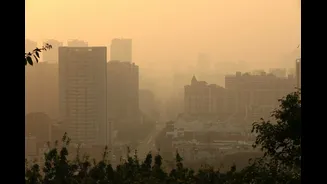
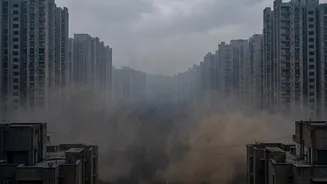
The primary culprit in Delhi's air is an invisible enemy: PM2.5. These are fine particulate matter with a diameter of less than 2.5 micrometers, about 30 times smaller than a human hair. Sourced from vehicle exhaust, industrial emissions, construction
dust, and crop burning, these particles are so small they can bypass the body's natural defences. When inhaled, they don't just lodge in the upper respiratory tract; they penetrate deep into the lungs and can even enter the bloodstream, traveling to other organs throughout the body. This infiltration is what makes long-term exposure to what seems like a simple smog-filled day a profound health threat.
From Lungs to Cells: The Cancer Connection
The World Health Organization (WHO) classifies PM2.5 as a Group 1 carcinogen, meaning there is sufficient evidence of its cancer-causing capabilities in humans. The link is not speculative; it's a documented biological process. When these toxic particles enter the body, they trigger chronic inflammation and oxidative stress. This constant state of irritation and cellular damage can lead to errors, or mutations, in our DNA. Over time, these mutations can cause cells to grow uncontrollably, forming tumours. While lung cancer is the most directly associated risk, research shows the danger doesn't stop there. Studies indicate that long-term exposure to PM2.5 is associated with an increased risk of mortality from various cancers, including breast, liver, and colorectal cancers.
Delhi's Alarming Air Quality
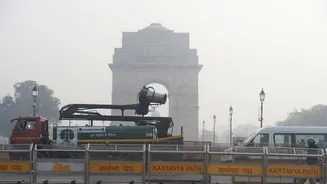
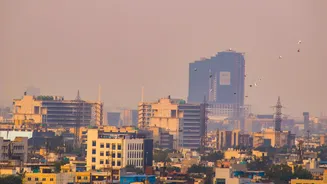
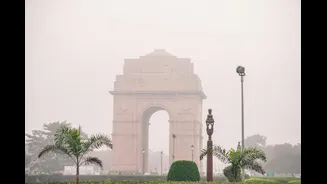
As of October 23, 2026, Delhi's air quality has once again entered the 'poor' category, with the Air Quality Index (AQI) standing at 223. This reading signals the start of the city's challenging winter pollution season. Just days prior, on October 21, the AQI had already climbed to 244, prompting authorities to implement Stage 1 of the Graded Response Action Plan (GRAP). Some monitoring stations have even reported AQI levels in the 'Hazardous' range, exceeding 300. These figures are not just numbers on a chart; they represent a direct and immediate health risk to millions of residents. The concentration of PM2.5 particles is dangerously high, far exceeding the safe limits recommended by health organizations.
More Than Just a Smoker's Disease
Historically, lung cancer has been overwhelmingly linked to smoking. However, air pollution is changing that narrative. Scientists have found that PM2.5 exposure can trigger cancer even in people who have never smoked. In fact, a recent international conference in Delhi highlighted cases of gastrointestinal cancer in patients as young as 15, raising urgent questions about environmental exposure. While doctors caution that a direct causal link in these specific cases isn't proven, the trend is alarming and aligns with growing global evidence that air pollution is a multi-cancer risk factor.
How to Protect Yourself and Your Family
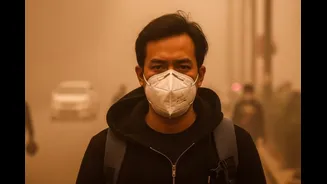
While systemic change is needed to solve the pollution crisis, individuals can take steps to mitigate their personal risk. The most effective strategy is to reduce your exposure. Stay indoors as much as possible when the AQI is high and avoid strenuous outdoor exercise, as heavy breathing increases pollutant inhalation. When you must go out, wear a high-quality N95 or N99 mask that fits snugly. Indoors, air quality can be improved by using HEPA filter air purifiers, especially in bedrooms. Keeping windows and doors closed during peak pollution hours is also crucial. Additionally, a diet rich in antioxidants, like those found in citrus fruits, nuts, and leafy greens, can help support your body's immune system.