





What 'Plant-Forward' Really Means
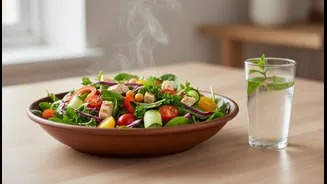
First, let's clear up the confusion. A plant-forward approach is not necessarily vegetarian or vegan. It’s a flexible style of eating that emphasizes plants without completely eliminating other food groups. Think of your plate with vegetables, lentils,
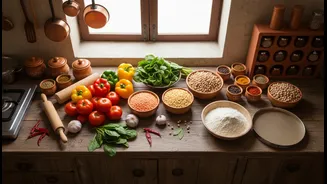
and whole grains as the main event, while meat, poultry, or fish can be included in smaller amounts. The goal is simple: to increase the proportion of plant-based foods in your diet. It's about celebrating plants and making them the star of your meal, a concept that is already deeply ingrained in traditional Indian cuisine, which has always prioritized fresh, whole ingredients.
The Powerhouse Pair: Dal and Rice
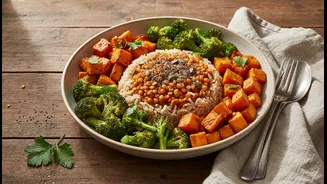
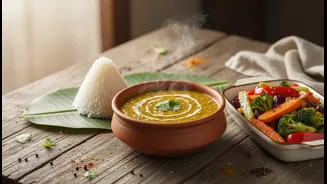
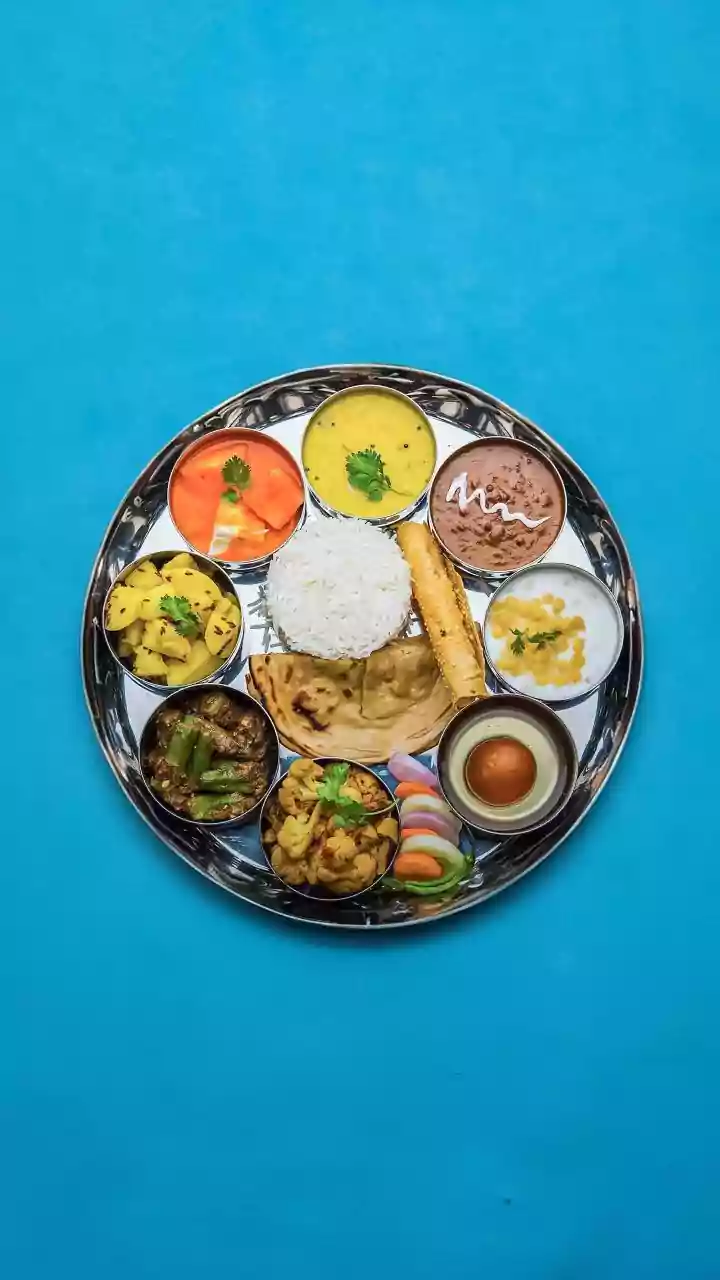
The humble combination of dal and rice is more than just comfort food; it's a nutritional masterpiece and the perfect foundation for a plant-forward lifestyle. Lentils, or dal, are packed with protein and dietary fibre, which aids digestion and helps you feel full for longer. Rice provides essential carbohydrates for energy. When eaten together, they form a 'complete protein,' providing all the essential amino acids your body needs, similar to what you'd find in animal products. This synergy is particularly important in plant-focused diets. The combination also has a lower glycemic index, which helps in maintaining steady blood sugar levels. This staple meal is proof that you don't need to look far for a balanced, nutritious base.
Celebrate with Seasonal Vegetables
The third pillar of this approach is the vibrant world of seasonal vegetables, or 'sabzi'. Eating seasonally is not only more affordable and environmentally friendly, but it also ensures you're getting produce at its peak nutritional value and flavour. Nutritionists explain that eating seasonally aligns with your body's needs; cooling foods like cucumber and bottle gourd (lauki) in the summer, and immunity-supporting foods like bitter gourd during the monsoon. Winter brings nutrient-dense greens like spinach (palak) and mustard greens (sarson), along with carrots and beets. By rotating your vegetables with the seasons, you're not just adding variety and flavour to your dal and rice, you're also providing your body with a wider array of vitamins, minerals, and antioxidants.
Simple Swaps to Shift the Balance
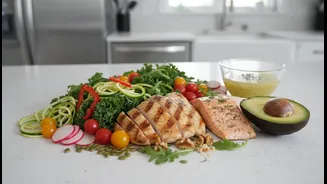
Starting a plant-forward journey doesn't require a dramatic overhaul. It’s about making small, intentional shifts. Begin by changing the proportions on your plate. Aim to fill at least half of it with vegetables, a quarter with dal, and a quarter with rice or roti. Instead of a heavy, meat-centric curry, try a mixed vegetable sabzi or a lentil-based dish like rajma or chole as your main course. You can also incorporate more plants into familiar dishes. Add finely chopped carrots and peas to your upma, stuff parathas with cauliflower or radish, or blend spinach into your dosa batter. These simple additions boost the nutrient density of your meals without sacrificing the flavours you love.
Beyond the Basics of Dal and Rice
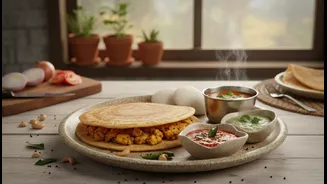
While dal, rice, and sabzi are a fantastic starting point, Indian cuisine offers a vast landscape of naturally plant-forward dishes. Think of breakfast options like poha loaded with vegetables or millet-based idlis and uttapams. Snacks don't have to be an afterthought; sprouted mung beans can be made into a delicious salad. When preparing traditional recipes, you can make them even more plant-focused by swapping heavy creams with nut pastes or using tofu instead of paneer for a different texture. The key is to explore the incredible diversity of plant-based cooking that has existed in India for centuries, long before it became a global trend.