
Pilates and the Posture Connection
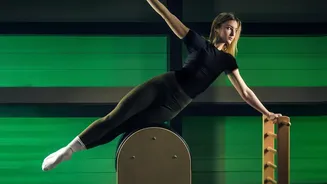
Pilates is renowned for its ability to transform posture. The method, developed by Joseph Pilates, is built on principles of control, centering, and precision. It focuses on strengthening the deep, intrinsic muscles that support your spine, often called
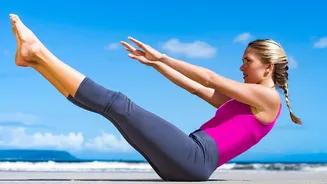
your 'powerhouse'. These are not the superficial 'six-pack' muscles, but the transverse abdominis, pelvic floor, and small muscles along your spinal column. By targeting these stabilising muscles through slow, controlled movements, Pilates teaches your body to maintain better alignment naturally. It enhances your awareness of how you hold yourself, helping to correct the rounded shoulders and forward head position that often come from hours spent at a desk.
The Science of Standing Taller
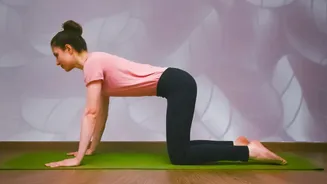
Good posture is less about consciously pulling your shoulders back and more about having the underlying muscular support to hold your frame effortlessly. When your deep core is weak, larger muscle groups must compensate, leading to strain, tension, and pain in the neck and back. Pilates systematically strengthens this foundational support system. The exercises often involve articulating the spine through flexion, extension, and rotation, which improves its flexibility and encourages a neutral, properly aligned position. Studies have shown that consistent Pilates practice can significantly improve postural problems by strengthening these specific support muscles and improving body balance.
Circuit Sets for Core Endurance
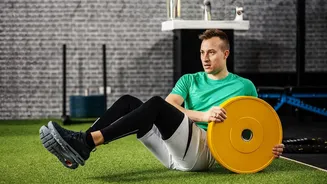
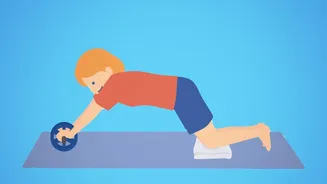
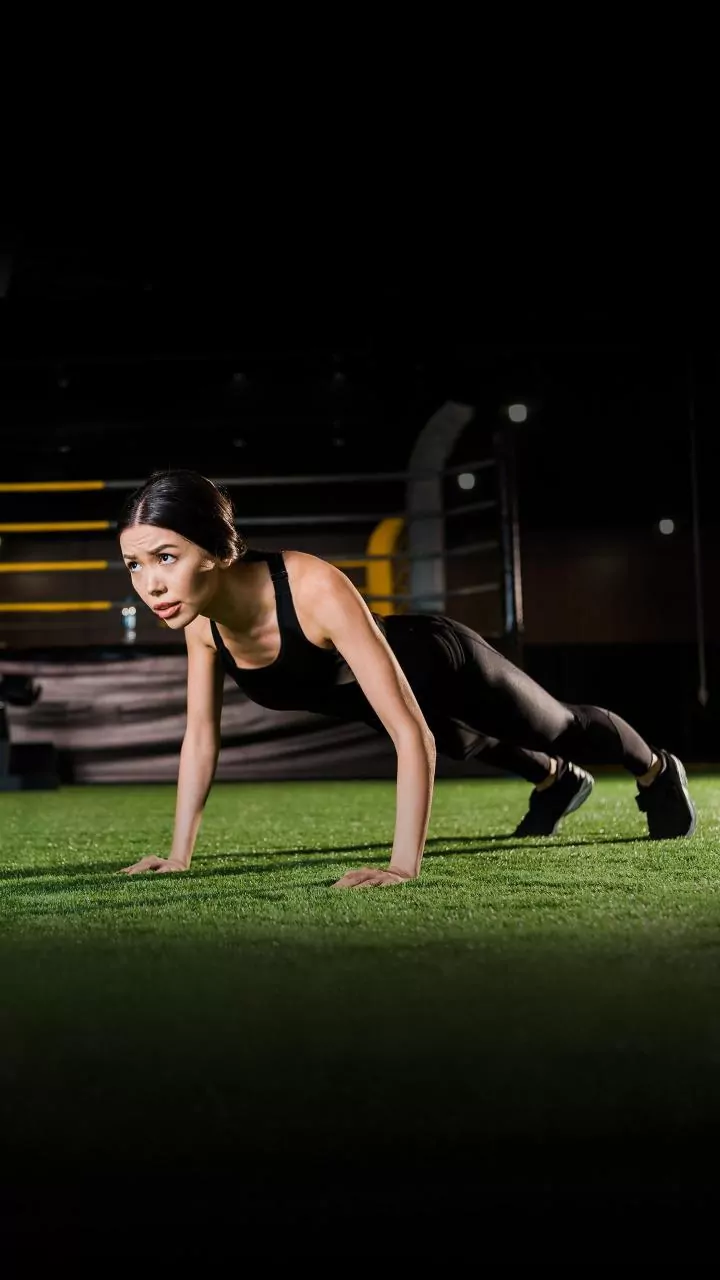
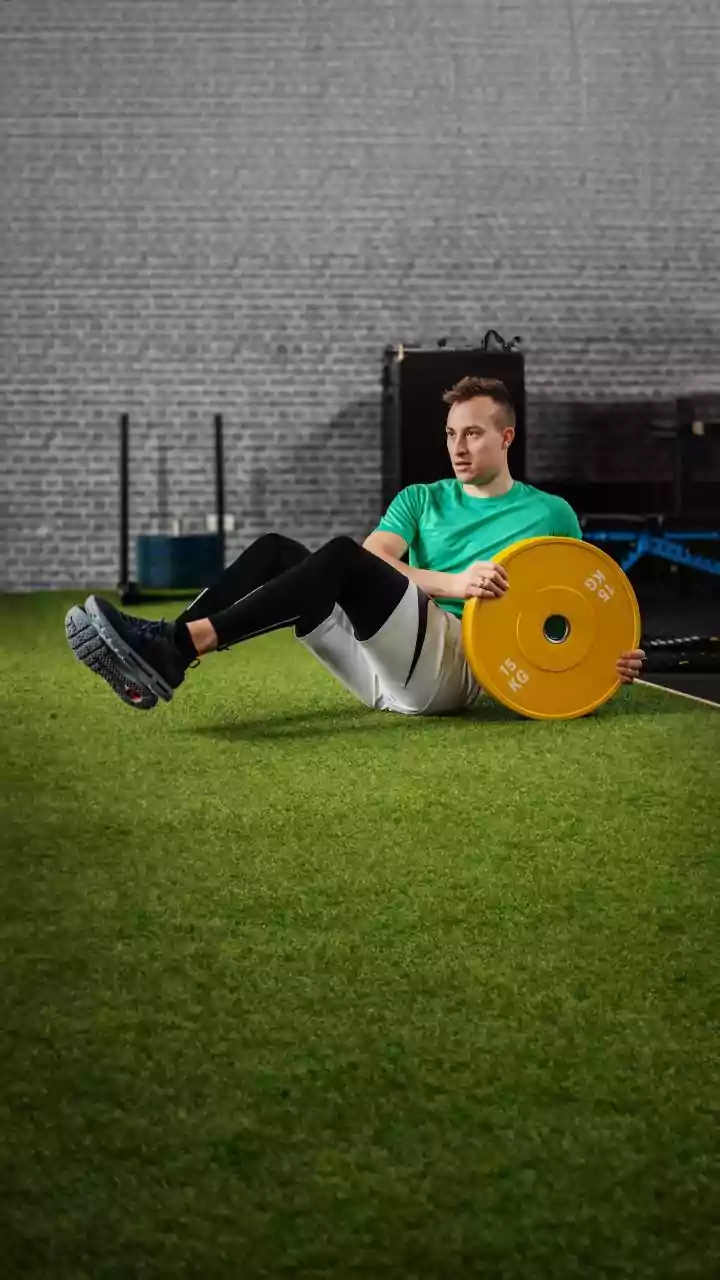
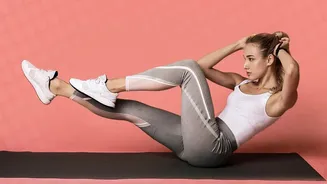
While Pilates hones in on stability, circuit training excels at building endurance. A circuit involves performing a series of different exercises in quick succession with minimal rest. This format, which often blends strength and cardio, keeps your heart rate elevated and challenges your muscles to work under continuous tension. When you include core exercises like planks, mountain climbers, or Russian twists in a circuit, you're not just building initial strength; you're training your core muscles to resist fatigue over a longer period. This is the essence of core endurance—the ability to hold a stable position or perform repetitive movements without your form breaking down.
Endurance vs. Stability: What’s the Difference?
It's a common point of confusion, but core stability and core endurance are not the same thing. Stability, which Pilates masters, refers to the ability to control movement and maintain alignment, particularly at the spine and pelvis. Endurance is the ability of those muscles to keep working over time. Think of it this way: stability is what prevents your back from arching during an overhead press, while endurance is what allows you to hold a perfect plank for 60 seconds instead of 15. Circuit training, with its high-repetition and low-rest structure, is perfectly designed to push the limits of that endurance, conditioning your core to stay engaged and functional through a long run, a challenging hike, or a full day of physical activity.
The Best of Both Worlds
The great news is that you don't have to choose. Pilates and circuit training are not mutually exclusive; in fact, they can be highly complementary. A well-rounded fitness routine could include Pilates once or twice a week to build a strong, stable foundation and improve your mind-body connection. This creates a more resilient base for more intense workouts. You could then incorporate circuit training on other days to build on that stability, challenging your core's endurance and boosting your cardiovascular fitness. By combining the two, you develop a core that is not only stable and aligned but also has the stamina to support you through any physical challenge.