





A Landmark Achievement in Manufacturing
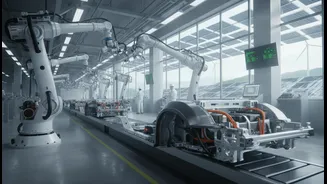
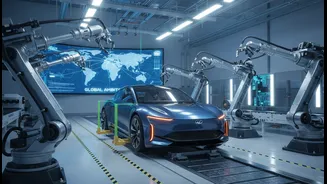
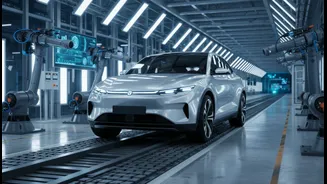
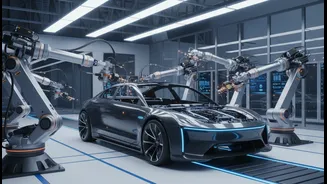
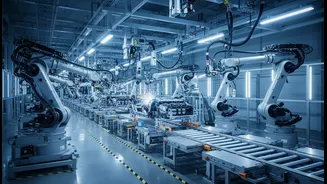
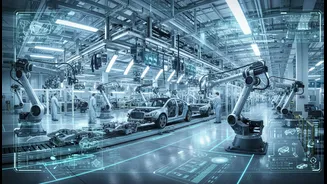
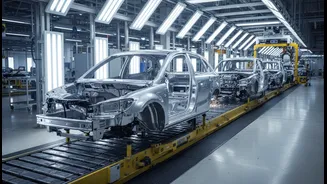
Mahindra's sprawling 657-acre facility in Chakan, near Pune, is a critical hub, rolling out 19 different models and over 450 vehicle variants. Recently, the company announced that this manufacturing powerhouse now operates on more than 50% renewable energy.
This is a significant figure for any heavy industry, especially for an automotive plant known for its high energy consumption. The achievement is a core component of the plant's broader sustainability credentials, which include being certified as Zero Waste to Landfill and water-positive, meaning it returns more water to nature than it consumes. This move signals a deliberate shift, embedding environmental responsibility directly into the production of thousands of vehicles daily.
The Green Energy Mix
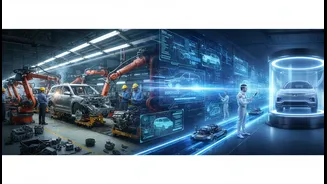
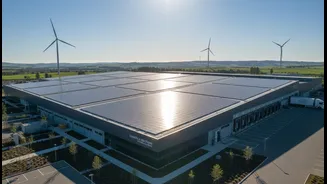
So, how does a massive factory achieve such a feat? The answer lies in a diversified energy strategy. While specific details on the energy mix are part of a broader corporate plan, the approach involves a combination of on-site and off-site renewable sources. A key detail is that the manufacturing operations for electric vehicles (EVs) at the Chakan facility are powered entirely by 100% renewable energy. This ensures that the company's greenest products have a truly green manufacturing footprint from the start. This strategy aligns with a larger trend in the Indian automotive industry, where companies are increasingly using solar and wind power to decarbonise their operations and reduce reliance on the grid.
Driving Towards 'Planet Positive'
This milestone at Chakan is not an isolated event but a crucial step in Mahindra Group's ambitious long-term environmental goals. The company is committed to achieving carbon neutrality in its operations by 2040 and sourcing 100% of its energy from renewables by 2030. These targets are part of a wider 'Planet Positive' strategy that includes reducing emissions, conserving water, and promoting a circular economy. By successfully transitioning one of its largest plants, Mahindra demonstrates a tangible commitment to these promises, moving them from corporate reports to the factory floor. This also strengthens its position within global initiatives like RE100, a collective of influential businesses committed to 100% renewable electricity.
Setting a New Industry Standard
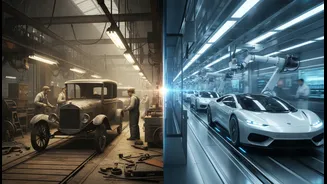
Mahindra's achievement sends a powerful message to India's entire manufacturing sector. As the country aims for ambitious economic growth and net-zero emissions by 2070, the role of corporate leaders becomes paramount. The Chakan plant serves as a working blueprint for how heavy industry can successfully integrate large-scale renewable energy without compromising productivity. In fact, the plant has seen a massive acceleration in output, producing its latest million vehicles in just 27 months. This proves that sustainability and high-performance manufacturing can go hand-in-hand. It challenges competitors to re-evaluate their own energy strategies and could accelerate the adoption of green-powered factories across the automotive landscape and beyond.