




The Simple Magic of a Cutting
At its heart, plant propagation is the process of creating new plants from a parent plant. While this can be done through seeds or by dividing roots, taking cuttings is one of the most popular and straightforward methods for many common houseplants. It
feels like magic, but it's pure plant biology. Many plants have the ability to regenerate entirely from a small piece, provided it's given the right conditions. This is a fantastic way to create duplicates of a favourite plant, expand your collection without spending money, or grow thoughtful, personalised gifts for friends and family. It’s a sustainable hobby that connects you more deeply with the lifecycle of your plants.
Essential Tools for Success
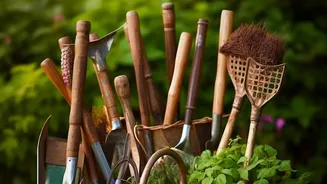
You don't need a professional greenhouse to start propagating. Most of the necessary tools are likely already in your home. First and foremost, you need a sharp, clean cutting tool. A pair of scissors, a sharp knife, or garden shears will work, but ensure they are sterilised with rubbing alcohol before you make a cut to prevent introducing bacteria or disease to the parent plant and the new cutting. You will also need a vessel to place the cutting in — a simple glass jar for water propagation or a small pot with drainage holes for soil. Lastly, having a good potting mix on hand for when your cutting has rooted is key. A soil-less mix or one with added perlite is often recommended as it provides good drainage and prevents rot.
Finding the Perfect Piece to Snip
The success of your new plant starts with choosing a healthy cutting from a thriving parent plant. Look for a stem that is vigorous and free of pests or disease. Avoid taking cuttings from a plant that is already struggling. For most vining plants like Pothos or Philodendron, a good cutting is typically three to five inches long and has four to six leaves. The most critical part of the cutting is the node — the small bump on the stem where leaves and new roots form. Your cut should always be made just below a node, as this is where the hormonal action for root growth is concentrated. Be sure to remove the lower leaves from the cutting, as any leaves left submerged in water or soil will rot and can ruin your efforts.
Water vs. Soil: Choosing Your Method
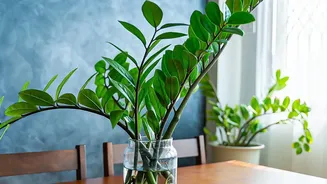
There are two primary methods for rooting cuttings: in water or directly in soil. Placing cuttings in a jar of water is popular because it allows you to watch the roots grow, which is exciting for beginners. The key is to submerge at least one node and change the water every few days to keep it fresh and oxygenated. However, some argue that roots grown in water are more fragile and can experience shock when moved to soil. Rooting directly in a potting mix often develops stronger, more robust root systems from the start. For this method, dip the end of the cutting in a rooting hormone (optional, but it can speed up the process), and plant it in a moist, well-draining soil mix. Cover the pot with a plastic bag to create a humid environment, which helps prevent the cutting from drying out before it can establish roots. Soft-stemmed plants often do well in water, while woodier plants may do better in soil.
Easy Plants for Beginner Propagators
Not all plants are created equal when it comes to ease of propagation. For your first attempt, it's best to start with plants that are known to root quickly and reliably. Many common Indian household plants are perfect for this. Good choices include Pothos (Money Plant), Syngonium (Arrowhead Plant), Coleus, Philodendron, and the Song of India (Dracaena). Succulents like the Jade Plant are also famously easy; you can often grow a new plant from just a single leaf left to callous over before being placed on soil. These plants are resilient and tend to root readily in either water or soil, giving you a higher chance of success and a boost of confidence.
Avoiding Common Propagation Pitfalls
It can be disheartening when a cutting fails to root. The most common mistake is taking a cutting without a node, as this is where roots emerge. Another frequent error is a lack of patience; some plants simply take longer to root, and disturbing them frequently can damage delicate new growth. Also, be mindful of lighting. Cuttings need bright, indirect light to have the energy to grow, but direct sun will scorch them. Finally, when moving a water-propagated cutting to soil, don't wait too long. Once the new roots are about one to two inches long, they are ready for their new home in a pot. Waiting longer can make the transition from water to soil more difficult for the plant.