








Adapt Your Diet for Immunity
When temperatures fluctuate, your immune system works overtime. Supporting it through your diet is one of the most effective strategies for staying healthy. Focus on warm, cooked meals like soups, stews, and khichdi, which are easier to digest than cold
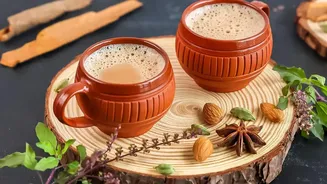
or raw foods. Incorporate immune-boosting ingredients abundant in Indian kitchens. Turmeric, with its anti-inflammatory properties, and ginger, known to soothe sore throats, are powerful allies. Making a daily habit of drinking turmeric milk or ginger tea can significantly enhance your body's defenses. Seasonal fruits and vegetables are packed with essential nutrients. Amla (Indian gooseberry), guavas, oranges, and leafy greens are rich in Vitamin C, an antioxidant that helps your body fight off infections that become more common during seasonal shifts. Staying hydrated is also crucial. Even if you don't feel thirsty in cooler weather, your body still needs fluids. Opt for warm water, herbal teas, or traditional preparations like kadha to keep your system flushed and functioning optimally.
Adjust Your Skincare and Hair Care
Changes in temperature and humidity can wreak havoc on your skin and hair. Dry air can lead to flakiness and tightness, while a sudden return to humidity can cause breakouts and frizz. During drier periods, switch to a richer, more hydrating moisturizer to prevent water loss and maintain your skin's protective barrier. Serums containing hyaluronic acid are excellent for retaining moisture. As the weather becomes more humid, you might shift to a lighter, gel-based moisturizer to avoid clogging pores. Regardless of the weather, cleansing gently and using a broad-spectrum sunscreen daily is non-negotiable. Your hair also feels the effects. Low humidity can lead to dryness and static, while high humidity causes the hair cuticle to swell, resulting in frizz. During transitional periods, focus on deep conditioning treatments to restore moisture. As humidity rises, lighter leave-in treatments will serve you better than heavy creams. A self-massage with warm oil (abhyanga) using sesame or almond oil before a bath can combat dryness across your body and scalp, a practice recommended in Ayurveda for seasonal transitions.
Fine-Tune Your Daily Routine
A consistent daily routine, or 'dincharya', helps ground your body when the external environment is unpredictable. Try to stick to a regular sleep schedule, aiming for 7-9 hours per night. A consistent bedtime and wake-time helps regulate your body’s internal clock, which can be thrown off by changing daylight hours. This practice is a cornerstone of Ayurvedic wellness for managing seasonal junctions, known as 'Ritu Sandhi'. Gentle, regular exercise is also key to boosting circulation and immunity. You don't need an intense gym session; a 20-30 minute walk, yoga, or stretching at home is highly effective. Adapt your workout to the weather: on hot days, exercise in the cooler mornings or evenings. During rainy spells, shift to indoor activities. This period is also ideal for incorporating mindfulness. Practices like meditation or simple breathing exercises such as 'Nadi Shodhana' (alternate nostril breathing) can calm the nervous system and help manage the stress that environmental changes can place on your body.
Listen to Your Body and Dress Smart
Transitional weather is a time to pay close attention to your body's signals. You may feel more fatigued or notice shifts in your appetite and energy levels. This is a natural response. Ayurveda refers to this period as a 'junction' where it’s wise to gradually adopt new habits rather than making sudden, drastic changes. This means easing into a new seasonal diet and routine. If you feel tired, allow yourself more rest. Your body is working hard to adapt, and getting adequate sleep is when it repairs itself and strengthens the immune system. Dressing in layers is the most practical way to handle fluctuating temperatures throughout the day. Start with a breathable base layer and add or remove items like a light jacket, scarf, or shawl as needed. This prevents both overheating during warmer parts of the day and getting chilled when the temperature drops in the evening. In India, where monsoon dampness can linger, wearing light, quick-drying fabrics can also help prevent the fungal infections that thrive in humidity.