






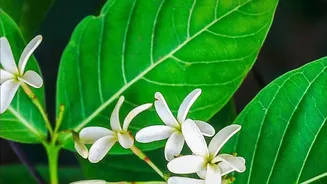
A Spectacle Etched in Memory
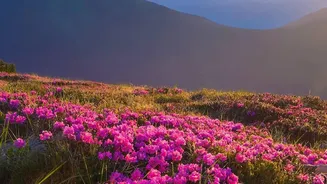
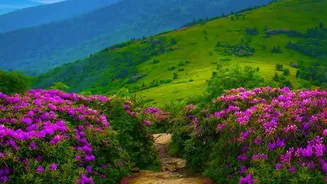
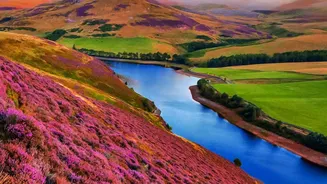
For those who witnessed it, the 2018 mass flowering of Neelakurinji (Strobilanthes kunthiana) was an unforgettable sight. Vast stretches of the Western Ghats, particularly in and around Munnar, were blanketed in a vibrant carpet of purplish-blue flowers.
This rare phenomenon, where a plant flowers gregariously only once in its 12-year life cycle before perishing, is a deeply rooted part of the region's ecology and culture. The Nilgiri Hills, or 'Blue Mountains', are believed to have earned their name from this very flower. The event transforms the landscape into a living canvas, attracting hundreds of thousands of tourists and photographers eager to experience a wonder that appears only for a fleeting few months each dozen years. While the most famous bloom is on a 2018-2030 cycle, a different population is currently flowering in 2026 on the Chokramudi hills, reminding us that nature keeps its own intricate calendars.
A Newly Threatened Marvel
The key context that has shifted since 2018 is the flower's official conservation status. In a significant move, the International Union for Conservation of Nature (IUCN) recently placed Neelakurinji on its Red List of threatened species, classifying it as 'Vulnerable'. This assessment, the first of its kind for the species, confirms what conservationists have feared for years: the spectacle is under severe threat. Scientists report that nearly 40% of the Neelakurinji's shola-grassland habitat has already been lost. The primary culprits are man-made: the conversion of native grasslands for tea and timber plantations, relentless urbanisation, and the unchecked spread of invasive species like eucalyptus and wattle. This habitat degradation doesn't just reduce the area where the flower can grow; it fragments the delicate ecosystem it needs to survive.
The Double-Edged Sword of Tourism
While tourism brings vital income to the region, its unregulated pressure has become an additional stressor. The influx of visitors during flowering season leads to trampling of the sensitive soil, waste accumulation, and physical damage to the plants themselves. Authorities have become increasingly aware of this, with legal action taken against tourists and influencers for plucking or damaging the protected flowers during the current 2026 bloom. In fact, under the Wildlife (Protection) Act, destroying the plant is now a punishable offence. Looking ahead to the major 2030 bloom, authorities are already planning stricter regulations, including keeping large tourist buses out of Munnar town on weekends and developing a mobile app for booking visitor slots to manage crowds at key viewing areas like Chokramudi and Meesapulimala.
A Bellwether for Climate Change
Beyond direct human activity, a more insidious threat looms: climate change. The Neelakurinji’s synchronised 12-year flowering is a finely tuned biological clock, and scientists are concerned that shifting weather patterns could disrupt it. Unusual precipitation and rising temperatures can affect the plant's sensitive life cycle, which relies on specific environmental cues. These changes may not only alter the timing of the bloom but could also create an ecological mismatch, where the flowers appear when their key pollinators, like certain bees, are not active. The health of the Neelakurinji bloom is increasingly seen as an indicator of the overall health of the Western Ghats' high-altitude ecosystems, making its preservation about more than just a single species.
The Fight for the Blue Mountains
In response to these growing threats, conservation efforts are intensifying. The declaration of the Kurinjimala Sanctuary in 2006 was a landmark step to protect 32 square kilometres of core Neelakurinji habitat in the Kottakkamboor and Vattavada villages. This sanctuary is not an isolated patch; it forms a crucial corridor connecting other protected areas like Eravikulam National Park and Chinnar Wildlife Sanctuary, ensuring safe passage for animals like the Nilgiri Tahr, elephants, and gaur that rely on this ecosystem. The fight to protect these grasslands has been a long one, with activists campaigning against destructive plantation practices since the 1980s. The flower's new 'Vulnerable' status adds urgency to these long-standing efforts, highlighting that the work done now will determine if future generations get to see the hills turn blue.