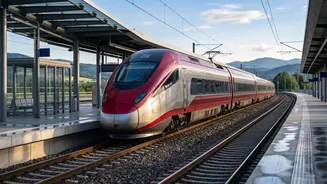




What Exactly is an LNG-Powered Train?
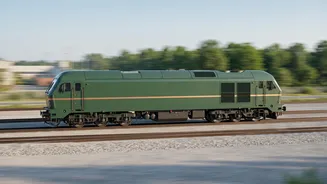
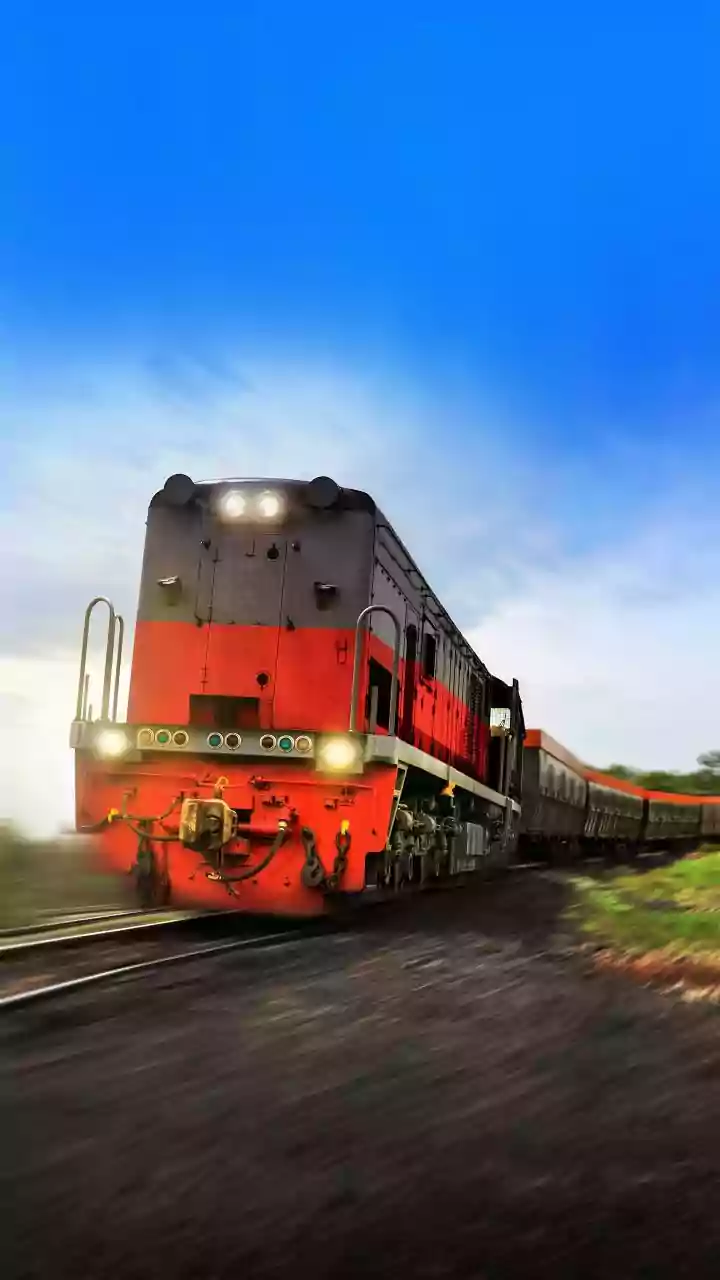
This isn't a train that runs purely on gas. Instead, it uses a clever dual-fuel system. Indian Railways has retrofitted two 1,400-horsepower Driving Power Cars (DPCs) of a DEMU train to run on a blend of diesel and LNG. The technology allows Liquefied
Natural Gas to replace up to 40% of the diesel that would normally be consumed. Think of it like a hybrid car that can switch between petrol and electricity, except here the engine uses both fuels simultaneously. The system is flexible; if LNG isn't available, the train can run on diesel alone, ensuring operations are never disrupted. This inaugural eight-coach, non-AC chair car train made its first run between Sabarmati and Mahesana Junction.
The Big Wins: Cleaner Air and Lower Costs
The primary drivers for this innovation are environmental and economic. Compared to diesel, LNG burns much cleaner. Its use is expected to significantly reduce emissions of harmful pollutants like carbon dioxide (CO2), nitrogen oxides (NOx), and particulate matter. This contributes to better air quality, a key goal for a nation battling pollution. Beyond the green credentials, there’s a strong financial incentive. LNG is generally cheaper than diesel, which is a massive operating expense for Indian Railways. Based on trial data, the Railways estimates an annual saving of around ₹11.9 lakh per power car, which adds up to nearly ₹23.9 lakh for an eight-coach train.
A Trial, Not a Revolution (Yet)
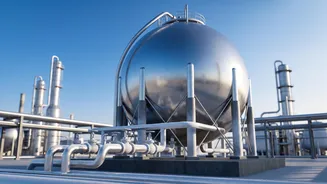
The headline is right to add a note of caution. This launch from Sabarmati is a crucial technology trial, not an overnight overhaul of the entire network. Before this launch, the two converted power cars underwent over 2,000 kilometres of rigorous field trials to test the system's performance, safety, and reliability. The goal is to gather real-world data on everything from engine performance under different loads to the safety of the cryogenic fuel storage tanks, which hold LNG at a frigid -162°C. Each DPC is fitted with a 2,200-litre tank, which can power the train for a considerable distance—estimates range from 444 km to 1,600 km on a full tank—reducing the need for frequent refuelling.
The Roadblocks to a Full-Scale Rollout
So, why not just convert every diesel engine tomorrow? The challenges are immense. While Indian Railways has made incredible strides in electrification, reaching nearly 99.6% on its network, some routes remain difficult or uneconomical to electrify. LNG is seen as a 'bridge fuel' for these specific sections. However, a network-wide shift would require a colossal investment in new infrastructure. Every station or depot with an LNG train would need specialized cryogenic storage and refuelling facilities. Furthermore, the cost of retrofitting thousands of existing diesel locomotives is substantial. This pilot programme will be essential in determining if the long-term savings and environmental benefits justify this massive undertaking across the country.
How Does This Compare to Hydrogen Trains?
This LNG initiative comes just months after Indian Railways launched its first hydrogen-powered train. While both aim for greener transport, the technologies are fundamentally different. The hydrogen train uses fuel cells to convert hydrogen and oxygen into electricity, with water vapour as the only emission—a complete technological shift. The LNG train, on the other hand, adapts the existing internal combustion engine to use a cleaner, but still fossil-based, fuel alongside diesel. LNG is an adaptation; hydrogen is a transformation. The LNG project is a pragmatic step to reduce diesel consumption now, while the hydrogen train represents a more radical, long-term vision for zero-emission rail travel.