




Non-Vegetarian Food
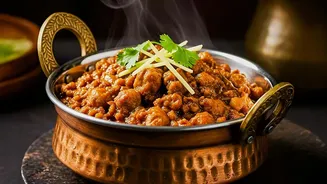
Abstaining from meat, fish, and eggs is one of the most widely observed customs during Sawan. Spiritually, it's an act of non-violence (ahimsa) and purity in a month dedicated to Lord Shiva. From a practical standpoint, the monsoon season is the breeding
period for many animals and fish, and avoiding them is a mark of respect for the cycle of life. Ayurveda adds another layer, suggesting that our digestive fire (agni) is weaker during the rains, making heavy foods like meat difficult to process and potentially leading to health issues.
Onion and Garlic
Unlike other restrictions linked to hygiene, avoiding onion and garlic is purely a spiritual and Ayurvedic principle. In Ayurveda, these ingredients are classified as Rajasic and Tamasic, meaning they are believed to stimulate passion, restlessness, or lethargy. During a month focused on meditation, prayer, and cultivating inner peace, a simple Sattvic diet that excludes these pungent alliums is thought to help maintain mental clarity and spiritual focus.
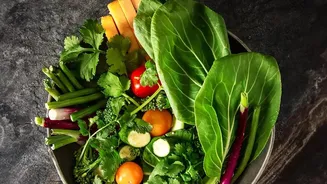
Leafy Green Vegetables
It may seem counterintuitive to avoid healthy greens, but this tradition is based on sound, seasonal logic. Sawan coincides with the peak of the monsoon, and the damp conditions are ideal for insects, worms, and bacteria to thrive on leafy vegetables like spinach and fenugreek. These greens grow close to the ground, making them susceptible to contamination that can be hard to wash away, increasing the risk of stomach infections. Ayurveda also advises against them as the sluggish monsoon digestion can struggle with fibrous foods.
Brinjal (Eggplant)
Brinjal has a unique reputation during the rainy season. Traditional wisdom holds that this vegetable is particularly prone to getting infested with small worms during the monsoon months. These insects can burrow deep inside, often remaining invisible from the outside. While modern agriculture has improved food safety, the age-old practice of avoiding brinjal during Sawan persists in many households as a cultural precaution passed down through generations.
Alcohol and Intoxicants
The avoidance of alcohol and other intoxicants during Sawan is a straightforward rule rooted in the pursuit of spiritual purity. These substances are seen as Tamasic, clouding judgment, hindering self-control, and disrupting the meditative state that devotees strive for. The entire month is an exercise in discipline and devotion, and abstaining from intoxicants is a fundamental part of maintaining that sacred focus.
Excessively Spicy and Oily Foods
While monsoon weather might make you crave hot pakoras, many observers of Sawan avoid deep-fried and overly spicy foods. The reasoning aligns perfectly with Ayurveda's view of a weakened digestive system during this season. Heavy, oily, and intensely spicy meals can overload the gut, leading to bloating, acidity, and a feeling of sluggishness. Instead, the focus shifts to lighter, steamed, or boiled preparations that are gentle on the stomach.
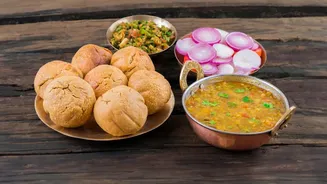
Certain Grains and Lentils
For those observing a strict fast (vrat), especially on Mondays (Somvar), the restrictions can extend to common grains and lentils. Foods like wheat, regular rice, and most dals are often avoided. Instead, fasters turn to specific 'vrat-friendly' flours and grains like Kuttu (buckwheat flour), Singhara (water chestnut flour), and Samak rice (barnyard millet). These alternatives are considered lighter and easier to digest, providing energy without overburdening the system.
Curd (Yogurt)
Curd is another food that is often set aside during Sawan, a practice linked to both Ayurvedic principles and seasonal health. According to Ayurveda, curd has cooling properties but can also increase the Kapha dosha, which is associated with mucus and congestion. In the damp, humid monsoon weather, this is believed to increase the risk of colds and coughs. As digestion is already slow, some find curd heavy to process during this time, preferring lighter dairy products like milk or buttermilk.
Fermented Foods
The warm and humid climate of the monsoon significantly speeds up the fermentation process. While foods like idli, dosa, and pickles are staples, they are sometimes avoided during Sawan due to practical food safety concerns. The accelerated fermentation can make it easier for food to spoil or for unwanted bacteria and mould to grow, especially if not stored perfectly. This ancient wisdom helped prevent foodborne illnesses long before refrigeration was common.
Regular Table Salt
This is a subtle but important distinction for those who cook 'vrat' food. Regular, iodised table salt is often avoided as it is considered a processed ingredient. For food prepared during fasting, the preferred choice is Sendha Namak, or rock salt. Rock salt is unprocessed and considered pure or Sattvic, making it suitable for sacred meals and aligning with the overall goal of consuming natural and unadulterated food during this holy month.