







The Problem with Dusting Sprays
Commercial dusting sprays often do more than just tackle dust. They can contain a cocktail of chemicals, including propellants, silicones, and synthetic fragrances. These ingredients can pollute your indoor air with Volatile Organic Compounds (VOCs),
which may cause respiratory irritation or headaches. The silicone oils that create that signature shine can also build up on furniture over time, creating a sticky film that might attract more dust. Rather than truly removing dust, these sprays can sometimes just move it around, while leaving behind a chemical residue on the surfaces your family touches every day.
The Power of a Microfiber Cloth
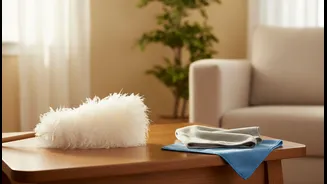
The single most effective tool for dusting doesn't require any spray at all: a quality microfiber cloth. The magic is in the science. Microfiber cloths are made of incredibly fine, split fibers, creating a vast surface area. These fibers have a positive electrostatic charge, which acts like a magnet for negatively charged dust particles. Instead of pushing dust around or launching it into the air, a dry microfiber cloth lifts and traps dust, hair, and other allergens within its fibers. For routine dusting on most surfaces, a quick wipe with a dry microfiber cloth is often all you need.
Mastering the Damp Dusting Method
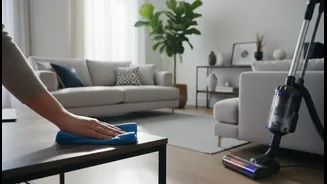
For surfaces with a heavier layer of dust or for households with allergy sufferers, damp dusting is the gold standard. Using a cloth that is merely damp—not wet—introduces a capillary force that pulls in and traps fine dust particles, preventing them from becoming airborne. This technique is superior for thoroughly removing dust and allergens from your home. Simply moisten a microfiber cloth with a little water, ensuring it’s wrung out well so it doesn't leave behind any visible moisture. This method is perfect for cleaning baseboards, shelves, and other surfaces where dust has had time to settle. For people with asthma or allergies, wet dusting can significantly improve indoor air quality.
When to Use Which Method
Knowing when to dry dust versus damp dust can streamline your cleaning routine. For frequent, light dusting and for delicate surfaces like electronics or untreated wood that shouldn't get wet, a dry microfiber cloth is the best choice. Its static charge will effectively pick up loose dust without any risk of damage. For a deeper clean, especially on heavily soiled areas or surfaces that can tolerate moisture, opt for a damp cloth. This method removes grime and stuck-on dust far more effectively. Always work from the top of a room down, so you catch any falling particles as you go.
If You Prefer a Spray, Make Your Own
If you still like the convenience of a spray, consider a simple homemade version. Not only is it cheaper, but you control the ingredients. A basic and effective recipe involves mixing one part white vinegar with about three parts water in a spray bottle. For wood furniture, you can add about two tablespoons of olive oil, which helps condition the wood and leaves a gentle shine. A few drops of lemon or another essential oil can be added for a pleasant, natural scent and to help mask the vinegar smell. Always shake the bottle well before use, as the oil and water will separate. This kind of spray helps dampen the cloth just enough to trap dust effectively without the use of harsh chemicals.