






The Great Indian Protein Boom
India is in the middle of a massive protein boom, a trend that is reshaping grocery aisles and dietary habits. The country's protein supplement market was valued at over ₹74 billion in 2024 and is projected to nearly double by 2033. This surge is driven
by several factors: a growing health consciousness, the expansion of gym and fitness culture into Tier-2 and Tier-3 cities, and an increasing number of people adopting vegetarian and vegan lifestyles. Studies have frequently highlighted that a majority of Indians consume less protein than recommended, creating a clear nutritional gap that brands are rushing to fill. This isn't just about gym-goers anymore; it's about everyday consumers seeking healthier options. As a result, mainstream food companies are now launching their own protein-enriched versions of staples like milk and snacks, moving protein from a niche supplement to a household staple.
Beyond the Shaker: Innovation in Protein
The good news is that this demand has spurred genuine innovation beyond the traditional tub of whey powder. The market is now flush with creative and convenient ways to boost protein intake. Plant-based proteins, in particular, are seeing explosive growth, with the market expected to double to ₹9,000 crore in the next five years. This has led to a new generation of products like plant-based meats, protein-fortified snacks, high-protein yogurts, and even protein water. Brands are also catering to local tastes, moving away from standard chocolate and vanilla to introduce regional flavours like masala chai and mango lassi. Furthermore, companies are focusing on improved functionality, such as creating more digestible plant protein powders with added enzymes or launching fresh, lactose-free high-protein milk that uses filtration technology instead of adding isolates. These products offer consumers more choice and easier ways to integrate protein into their daily diets.
Decoding the 'Marketing Noise'
With opportunity comes opportunism. The flip side of this innovation is a tidal wave of confusing and sometimes misleading marketing. The term 'protein' has become a powerful buzzword, and not all claims are created equal. One major issue is mislabelling. Several independent studies have found that a significant percentage of popular protein supplements in India contain far less protein than advertised on the label. Another common tactic is 'amino spiking', where cheap, low-quality amino acids are added to artificially inflate the protein content measured in tests. Consumers are often confronted with vague terms like 'High Protein' or 'Protein-Rich'. Under FSSAI regulations, these terms have specific meanings: a product must contain at least 20% of the Recommended Dietary Allowance (RDA) for protein to be labelled 'high in protein'. However, with so many products making similar claims, it's easy to be misled without checking the fine print.
How to Be a Smart Protein Shopper
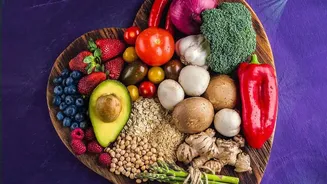
Navigating this crowded market requires a discerning eye. The first rule is to ignore the front of the pack and turn straight to the back. Look at the nutritional information panel to see the actual amount of protein per serving, not just the claims on the front. It’s also wise to check the ingredients list. Is protein the first or second ingredient, or is it buried under a list of sugars and fillers? The source of the protein—be it whey, casein, soy, or pea—also matters, depending on your dietary needs and preferences. Look for the FSSAI logo and license number, which is mandatory for all supplements sold in India and confirms the product complies with safety standards. For added assurance, some brands provide third-party lab test reports, often via a QR code on the packaging, to verify their protein claims. Ultimately, while supplements can be convenient, remember that whole foods like lentils, chickpeas, paneer, eggs, and lean meats remain excellent and cost-effective sources of protein.