



A Conservation Success Story
For much of modern history, the howl of a wild wolf was absent from most of Europe. Hunted and driven from their habitats, they clung on only in the most remote corners of the continent. But thanks to decades of legal protection and shifting attitudes,
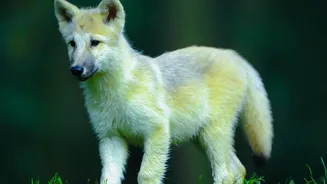
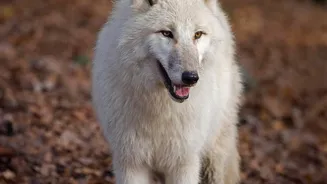
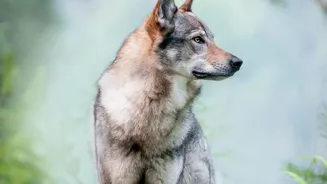
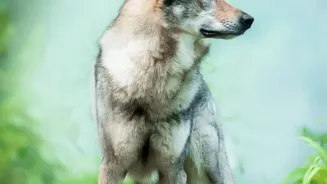
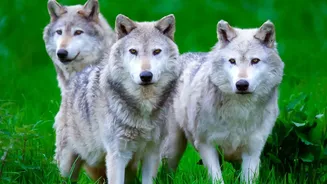
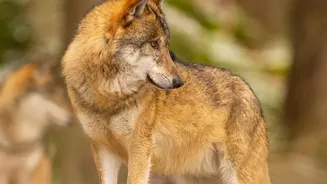
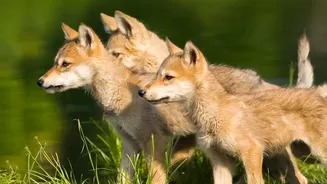
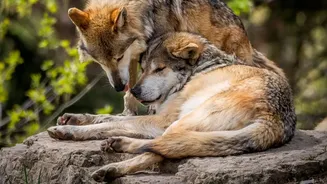
the wolf is staging a remarkable comeback. Recent estimates suggest the European wolf population has grown to over 21,500 individuals, a significant increase over the last decade. They are expanding their range across the continent, with established populations now found in countries like Italy, Spain, France, and Germany. This resurgence is considered one of Europe's most significant conservation triumphs, turning a symbol of persecution into a story of recovery.
The Rise of the Wolf Watcher
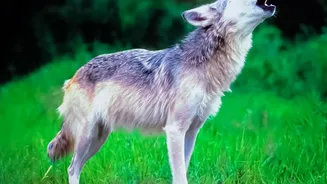
Where the wolves have returned, tourists are beginning to follow. No longer do wildlife enthusiasts need to journey to the far reaches of North America to catch a glimpse of this iconic predator. A burgeoning ecotourism industry is emerging, offering travelers the chance to connect with wolves in their natural European habitats. Specialist tour operators are now guiding small groups on expeditions that focus on tracking, spotting, and understanding these elusive animals. These trips often involve early morning and dusk watches from concealed viewpoints, using powerful telescopes to observe the animals from a respectful distance. The experience is about more than just a sighting; it’s an immersion into the wolf's world, learning about its ecology, tracking its footprints in the snow, and maybe, if you're lucky, hearing a chorus of howls echo through the valley.
Europe's Wolf Watching Hotspots
Several regions are becoming premier destinations for this new brand of tourism. In Italy, the Abruzzo National Park in the Apennine Mountains has become a key stronghold for the Apennine wolf. Here, local guides lead multi-day treks, combining wildlife spotting with visits to educational centers dedicated to wolf conservation. In Spain, the Sierra de la Culebra mountain range boasts one of the highest densities of Iberian wolves in Europe, making it a world-renowned location for wolf observation. Tour companies in these areas report growing interest from international visitors, who contribute directly to local economies through accommodation, guiding fees, and other services. Other areas, from the French Alps to Finland, are also seeing the potential for tourism built around their returning wolf populations.
An Uneasy Coexistence
The return of the wolf is not celebrated by everyone. The comeback story is complex and fraught with conflict, particularly in rural communities. For livestock farmers, the wolf is not a tourist attraction but a direct threat to their livelihood. Across the EU, it's estimated that wolves are responsible for the loss of tens of thousands of livestock animals annually, creating significant financial and emotional stress for farmers. This has ignited a fierce debate, pitting conservation goals against the realities of agricultural life. Some governments have responded to pressure from rural communities by reconsidering the wolf's strict protection status, creating a contentious political landscape. The central challenge is finding a way for humans and wolves to share the landscape, turning the predator into an economic asset through tourism without ignoring the very real costs it imposes on others.
The Future of Europe's New Star
Despite the demographic recovery, some scientific studies warn that the comeback may be more fragile than it appears. Genomic research suggests that many of Europe's wolf populations are genetically isolated and vulnerable to inbreeding, meaning their long-term survival is not yet guaranteed. This makes responsible, conservation-led tourism even more crucial. Many tour operators work directly with conservation projects, ensuring that a portion of their revenue funds efforts to monitor wolf populations and promote coexistence with local communities. These initiatives aim to build a future where the wolf's value as a living, wild animal outweighs its perceived threat, transforming it from a figure of fear into a sustainable source of local pride and income.