




The Surprising New Summer Champion
This past summer, coffee in its various cold forms—from iced lattes and frappuccinos to sophisticated cold brews—experienced a growth spurt that left many traditional beverages behind. While the overall soft drinks market in India is growing at a steady
6-8% annually, some segments of the cold coffee market have seen explosive growth. One quick-commerce platform, Instamart, reported a staggering 700% increase in cold coffee orders as temperatures soared. Similarly, Flipkart Minutes saw demand surge nearly fivefold by May. This isn't just a niche trend; it's a clear signal of a seismic shift in consumer preferences, challenging the long-held dominance of colas and traditional coolers.
The Cafe as a Launchpad
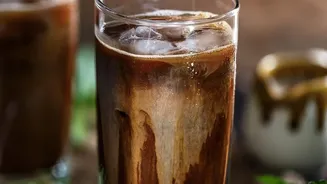
So, how did a beverage traditionally served hot become a summer superstar? The seeds of this trend were planted years ago with the rise of café culture. Chains like Tata Starbucks, Barista, and a host of independent specialty coffee shops turned coffee from a simple morning ritual into a lifestyle experience. These spaces became the 'third place' between home and work, especially for urban millennials and Gen Z. It was in these cafes that an entire generation was introduced to a wider world of coffee, including iced Americanos, caramel macchiatos, and nitro cold brews, normalizing the idea of coffee as a refreshing, all-day beverage.
Convenience Is King
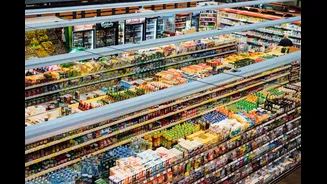
While cafes lit the spark, convenience culture fanned the flames. The boom in Ready-to-Drink (RTD) bottled and canned coffees has been a game-changer. Brands like Nestlé and Hindustan Unilever are investing heavily in their RTD coffee portfolios, which are consistently delivering double-digit growth. This has been supercharged by the explosion of quick-commerce platforms like Zepto, Blinkit, and Instamart. Now, getting a premium cold coffee delivered to your doorstep in 10 minutes is as easy as ordering a bottle of cola. This on-demand access has been crucial in transitioning cold coffee from a cafe treat to an everyday staple.
A Generational Thirst
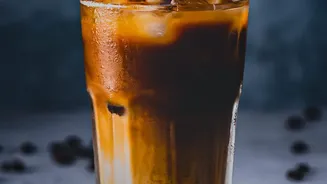
At its core, this trend is being driven by a generational shift. For many young Indians, coffee is more than just a drink; it's an identity marker. It's seen as a modern, aspirational beverage, often associated with global trends and a productive lifestyle. The visual appeal of a layered latte or a frosty cold brew also makes it perfect for social media, where a drink is often part of the aesthetic. As younger consumers become more health-conscious, many are also turning away from sugary carbonated drinks, and cold coffee—especially low-sugar or black cold brew variants—is seen as a healthier, more functional alternative.
An Expanding Table, Not a Replacement
Does this mean the end for lassi and shikanji? Not at all. Traditional Indian drinks and juices remain immensely popular, with staples like dahi (curd) dominating summer grocery baskets. The story of cold coffee's rise isn't about replacement but about expansion. The Indian beverage market is vast and growing, with room for both tradition and new trends. Coffee is simply carving out a new, premium, and remarkably fast-growing segment within this landscape. It's evolving from a seasonal indulgence into a year-round habit, with the sales dip during winter months becoming significantly less pronounced than in previous years.