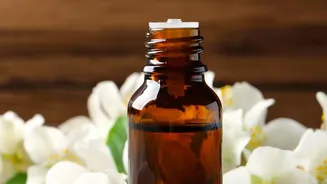





It’s the scent behind some of the world's most luxurious perfumes and calming skincare products: a complex aroma that is floral, citrusy, and slightly sweet. But how does the delicate blossom of a citrus tree transform into precious neroli oil?
The Source: A Very Special Tree
Neroli
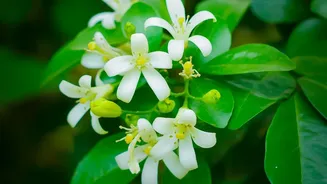
oil begins its life as a fragrant white blossom on the bitter orange tree, known botanically as Citrus aurantium amara. While the tree's fruit is too bitter for most to eat raw, often being used for marmalade, its flowers are treasured. The tree itself is a powerhouse of aromatic ingredients; its leaves and twigs are distilled to create petitgrain oil, and its fruit peel yields bitter orange oil. However, it is the delicate, star-shaped flowers that are harvested to produce the highly prized neroli essential oil.
The African Connection
While the bitter orange tree has origins in Southeast Asia, it has been cultivated for centuries across the Mediterranean. Today, North African countries, particularly Tunisia, Morocco, and Egypt, are the leading producers of the world's finest and most sought-after neroli oil. The region's warm, sunny climate and fertile soil provide the perfect conditions for the trees to flourish. Much of the neroli exported from Tunisia, for example, is produced by small family-run cooperatives rather than large industrial farms, preserving traditional methods.
The Delicate Harvest
The process of gathering the blossoms is incredibly labor-intensive. The flowers are typically harvested by hand in a short window during the spring, from late April to early May. This must be done carefully to avoid bruising the delicate petals, which could compromise the quality of the final oil. The timing is crucial, and pickers often start early in the morning when the blossoms are most fragrant. This painstaking process is the first step in what makes neroli oil one of the more expensive essential oils on the market.
From Blossom to Bottle: Steam Distillation
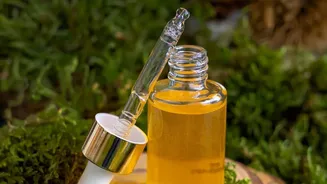
Once harvested, the flowers must be processed quickly to capture their fleeting scent. The method used is steam distillation. The blossoms are placed in a still, and steam is passed through them. The heat causes the plant's aromatic compounds to vaporize. This steam is then channeled into a cooling chamber, where it condenses back into a liquid. Because oil and water don't mix, the precious neroli oil floats to the top and is carefully separated. The aromatic water left behind is known as orange blossom water, or neroli hydrosol, and is also used in skincare and culinary applications. It takes an immense quantity of flowers—around 1,000 pounds of blossoms—to produce just one pound of neroli oil, which explains its high value.
The Scent and Its Science
The unique scent of neroli oil—sweet, honeyed, and somewhat metallic with green and spicy notes—is due to its complex chemical composition. It contains compounds like linalool (also found in lavender, known for its calming effect), limonene (which provides a citrusy freshness), and geraniol. This balance of floral, citrus, and green notes is what makes neroli such a versatile and widely used oil in perfumery, famously forming the heart of traditional Eau de Cologne.
Benefits for Skin and Mind
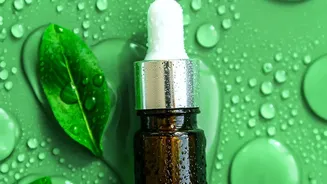
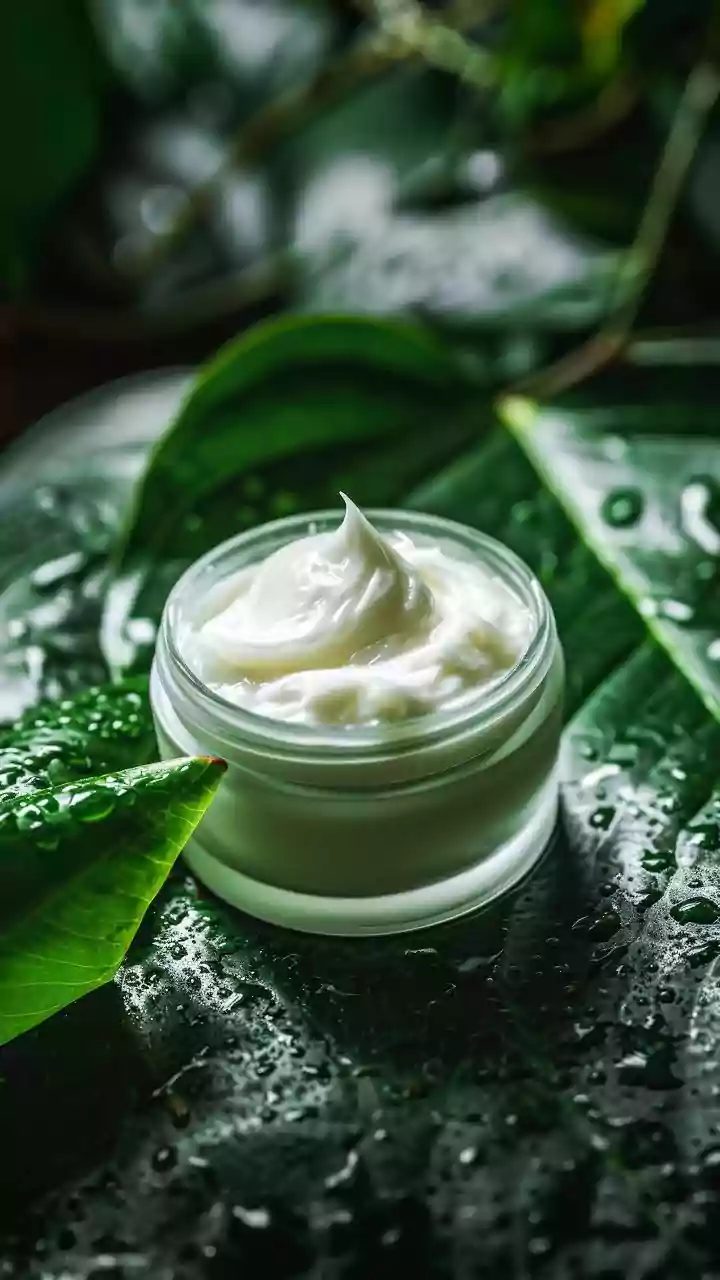
Beyond its beautiful scent, neroli oil is celebrated for its benefits in both skincare and aromatherapy. In aromatherapy, it is renowned for its ability to reduce feelings of stress and anxiety, promoting a sense of calm and well-being. For the skin, neroli oil has anti-inflammatory and antibacterial properties, which can help soothe irritation and reduce redness, making it suitable for sensitive or acne-prone skin. It's also praised for its ability to help regenerate skin cells, which may improve the appearance of scars, fine lines, and uneven skin tone. As a bonus, it helps balance oil production without over-drying the skin, making it beneficial for oily and combination skin types.