






A New Chapter for Mumbai's Wetlands
The Maharashtra government has officially approved a ₹45-crore project to establish a state-of-the-art Eco-Nature Park within the Thane Creek Flamingo Sanctuary. This initiative is not just about adding new trails or viewing platforms; it's a fundamental
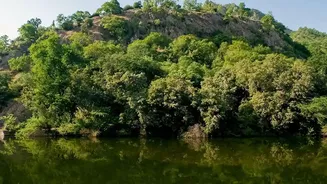
reimagining of how a wildlife sanctuary can operate in the 21st century. Located on the eastern edge of Mumbai, the sanctuary is already a critical habitat, but this new development aims to elevate it into a global example of technology-driven conservation. The project will unfold over approximately 20 hectares of precious wetland, but has been designed with an exceptionally light touch—less than half a hectare will be used for physical infrastructure, ensuring the vast majority remains a pristine environment for wildlife.
What Makes It 'High-Tech'?
The centerpiece of this ambitious project is India's first AI-powered bird detection and monitoring centre. This system will move conservation efforts beyond traditional manual observation. A network of AI-enabled smart cameras will be installed across a 1.5-kilometre stretch of the park, capable of identifying different bird species in real-time. These intelligent eyes will track migration patterns, monitor bird activity, and analyze population dynamics with unprecedented accuracy. The technology will also include the deployment of drones for broader aerial surveys and acoustic sensors designed to record and study avian vocalizations. For researchers, this means a treasure trove of data to better understand and protect the ecosystem. For visitors, it promises to power highly informative and interactive digital exhibits, offering a deeper connection to the birds they see.
The Global Significance of Thane Creek
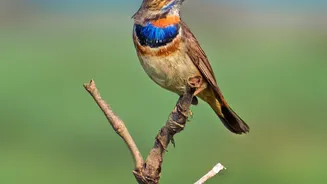
The choice of Thane Creek for this pioneering project is no coincidence. This vital wetland is not just a local treasure; it holds international importance. In 2022, it was designated as a Ramsar site, a title reserved for wetlands of global significance, and notably became the first such site in India located within a major metropolitan area. It is also celebrated as India's first dedicated flamingo sanctuary, a safe haven for tens of thousands of Greater and Lesser Flamingos that paint the mudflats pink every year. The creek is a critical stopover on the Central Asian Flyway, a superhighway for migratory birds travelling between continents. In total, more than 200 species of birds, from majestic eagles to tiny sandpipers, depend on this rich mangrove ecosystem, making its protection a global priority.
The Future Visitor Experience
While the project is a major leap for science, it is also being designed with the visitor firmly in mind. The new Eco-Nature Park will feature a 2.16-kilometre mangrove nature trail and several new observation towers and viewing decks, providing new vantage points to soak in the natural beauty. These new amenities will complement the existing Coastal and Marine Biodiversity Centre at Airoli, which already offers boat safaris through the mangroves and multi-sensory exhibits. The integration of the new AI system is expected to transform the educational experience, allowing visitors to engage with real-time data on displays that explain which species are present and what they are doing. It's a vision that blends a peaceful walk in nature with the thrill of discovery, powered by cutting-edge technology.
A Blueprint for Urban Conservation
Ultimately, the Thane Creek project represents a powerful new model for the future of wildlife conservation in urban areas. It seeks to prove that nature and technology do not have to be at odds. By leveraging AI, the sanctuary can enhance its conservation efforts, gather more robust scientific data, and offer a more profound educational experience, all while minimizing human disturbance. This delicate balance between promoting eco-tourism and strengthening ecological protections is at the core of the initiative. It aims to foster a deeper appreciation for biodiversity among the millions of people living on its doorstep and create a blueprint that could inspire similar projects in other ecologically sensitive zones across India.