
The Mindful Path to Mastery
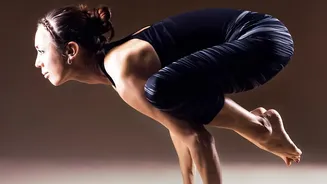
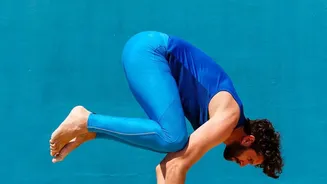
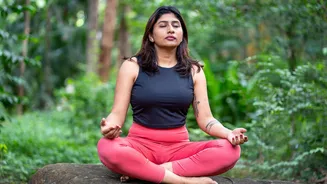
Dynamic yoga, such as Vinyasa or Power Yoga, is often described as meditation in motion. This practice involves flowing from one posture (asana) to the next, synchronising movement with breath. The emphasis isn't on speed, but on the quality and precision
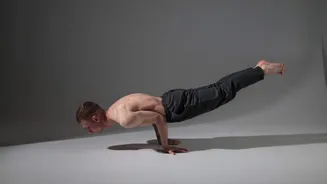
of each transition. This is where the magic happens for body control. By moving slowly and deliberately through challenging poses, you are forced to engage small, often-neglected stabiliser muscles around your joints and core. Holding a warrior pose or transitioning into a half-moon balance requires immense concentration and proprioception—your body's internal sense of where it is in space. This develops a deep, foundational layer of control that is rooted in stability and awareness. The constant adjustments your muscles make to maintain balance build neuromuscular pathways, essentially teaching your brain and muscles to communicate more effectively.
The Rhythmic Route to Agility
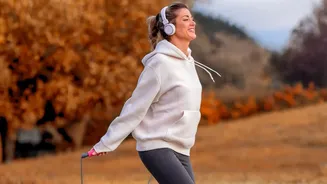
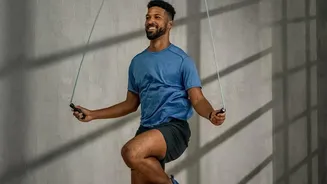
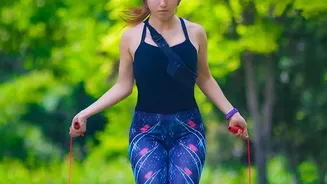
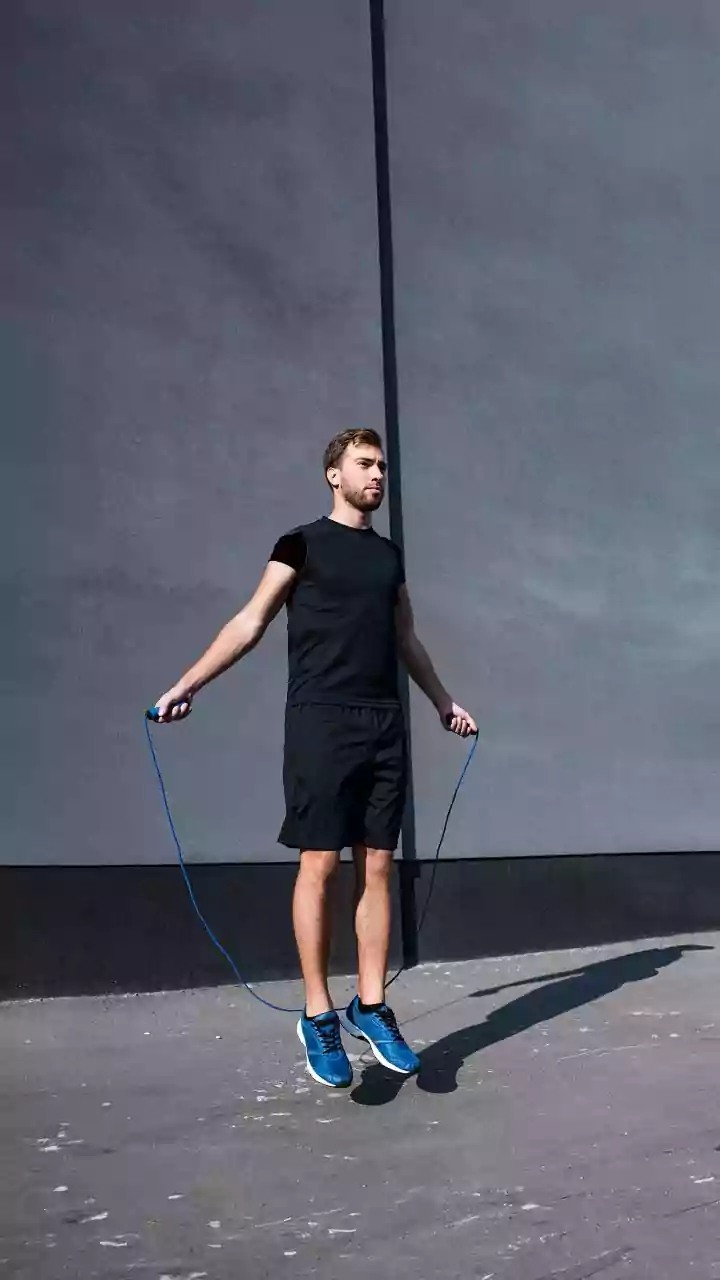
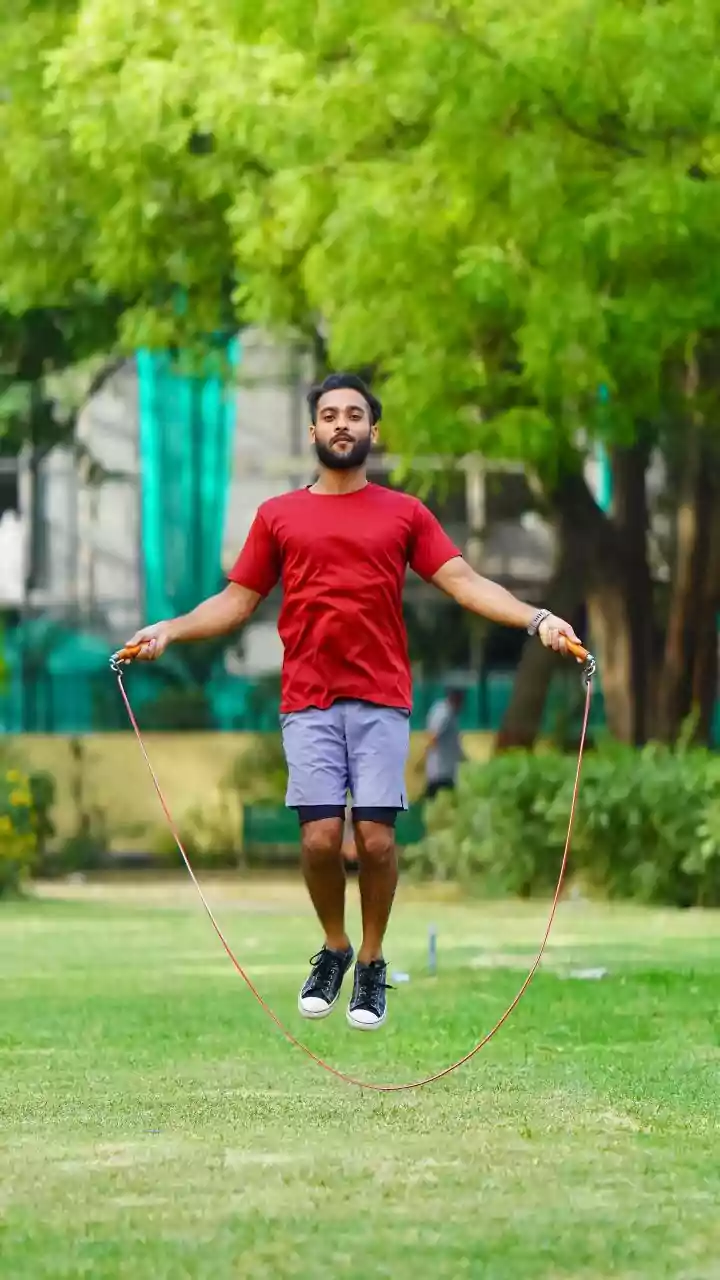
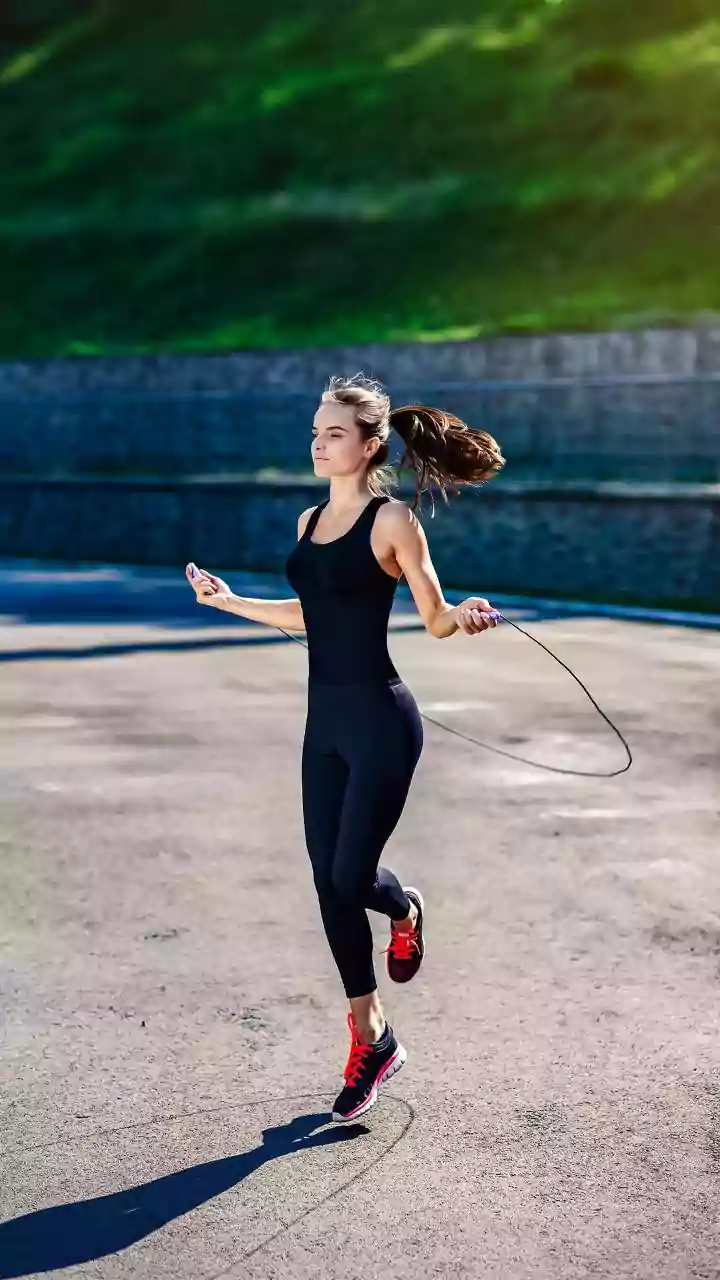
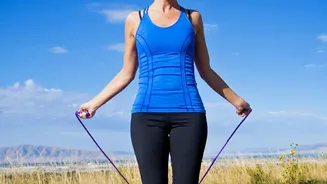
Fast jump rope drills belong to a category of exercise known as plyometrics, which focuses on exerting maximum force in short intervals of time. Unlike yoga's slow burn, jumping rope is about rhythm, timing, and reactive power. The control here is not about holding a static position, but about coordinating your entire body to perform a rapid, repetitive motion efficiently. Your feet, ankles, calves, and core must all work in perfect sync to clear the rope with minimal effort and maximum speed. This develops a different kind of whole-body control—one based on agility and quickness. According to experts, jumping rope is a fantastic way to improve coordination and focus because your hands, eyes, and feet must work together seamlessly. It trains your body to be light, springy, and powerful, enhancing the kind of dynamic control needed in sports and other high-intensity activities.
Stability vs. Speed: Two Kinds of Control
The core difference lies in how each discipline defines and builds control. Dynamic yoga builds control from the inside out. It focuses on isometric holds and slow, eccentric muscle contractions (like lowering down from a push-up) to create a strong, stable base. This is control through unwavering stability and mindful muscle engagement. It helps protect your joints and improves your posture by strengthening the muscles that support your frame during everyday movements. Fast jump rope drills, on the other hand, build control through speed and repetition. It’s about developing reactive strength, allowing your muscles to absorb and produce force quickly, like a spring. This type of control is about efficiency of movement and athletic responsiveness. It’s less about holding still and more about moving quickly and accurately without losing your rhythm or form.
Better Together: A Complementary Approach
Instead of viewing these two forms of exercise as competitors, it's more productive to see them as perfect partners. The deep core strength, balance, and bodily awareness gained from yoga can dramatically improve your jump rope form, reducing the risk of injury and increasing your efficiency. When your stabiliser muscles are strong, your landings can be softer and more controlled. Conversely, adding jump rope to a yoga-centric routine provides a significant cardiovascular boost that yoga alone might not offer. It also builds explosive power in the lower body, which can complement the strength and flexibility developed on the mat. Combining the mindful stability of yoga with the dynamic agility of jump rope creates a truly well-rounded athlete, capable of both graceful control and explosive power.