









The Science of Moving Together
Exercising with other people offers a unique cocktail of benefits that solo workouts often can't match. When you move your body, your brain releases endorphins, which act as natural mood boosters. But when you exercise in a group, this effect is amplified
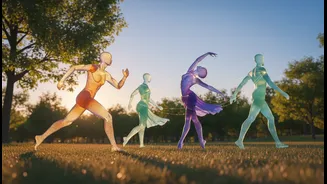
by the shared energy and encouragement. Furthermore, dancing with others can increase oxytocin, often called the “bonding hormone,” which enhances feelings of trust and connection. Studies have shown that people in group exercise programs report significant reductions in stress and improvements in mental, physical, and emotional quality of life compared to those who work out alone. This creates a powerful positive feedback loop: the social connection makes the exercise more enjoyable, which in turn motivates you to keep showing up.
More Than Just a Walk in the Park
Walking is one of the most accessible forms of exercise, requiring no special equipment besides a comfortable pair of shoes. When you turn a solitary stroll into a group activity, it transforms into a potent tool for building community. Joining a walking club provides structure, accountability, and a sense of shared purpose. Knowing that others are waiting for you can be the push you need to get out the door. The conversation and camaraderie make the physical effort feel lighter, often leading people to walk farther than they would on their own. Beyond the physical benefits of reduced risk for heart disease and improved balance, group walking directly combats loneliness and social isolation, which are linked to a host of health issues. It’s a simple, effective way to nurture both body and soul.
Finding Joy and Friendship in Dance
From traditional ballroom to high-energy Zumba, dance is an inherently social activity that builds community. Zumba classes, for example, are known for creating a welcoming and supportive environment where participants can connect through a shared love of music and movement. The emphasis is on fun and self-expression, not perfect technique, which breaks down barriers and encourages people of all fitness levels to join. Learning choreography also provides a cognitive workout, challenging your memory and coordination. This combination of physical exertion, mental engagement, and social bonding has been shown to effectively reduce symptoms of anxiety and depression. Many participants find that the friendships formed in class extend beyond the studio, turning a fitness routine into a vital social outlet.
Find Your Tribe, Find Your Movement
While dancing and walking are fantastic options, any group activity that gets you moving can provide these dual benefits. Think about team sports like badminton or volleyball, group yoga in a local park, or even community gardening projects. The key is the combination of shared physical effort and social interaction. These activities foster a sense of belonging and mutual support that is difficult to replicate on your own. They provide a space to connect with people who share your interests, building a support network that enhances resilience and overall well-being. The accountability of being part of a team or group helps maintain consistency, turning exercise from a chore into a rewarding social event.
Getting Started on Your Social Fitness Journey
Taking the first step can feel intimidating, but there are many pathways to finding your community. Look for local walking groups, dance studios, or community centres that offer classes. Many fitness apps and social media platforms have features for finding local groups and events. If you don't find a group that fits your interests, consider starting your own. Invite a few friends or neighbours for a weekly walk or a dance session in a park. Start small and focus on the enjoyment of moving together. Remember that the goal is not competition, but connection. An inclusive and welcoming atmosphere is what helps build a lasting community and a sustainable, joyful fitness habit.