
A Breakfast Ritual Born in Indore
Every morning, the streets of Indore in Madhya Pradesh come alive with a culinary ritual that defines the city. While the rest of the world debates between toast and eggs, Indoris have perfected a breakfast that is a masterclass in contrast. The headline
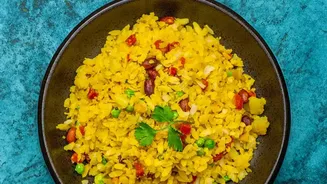
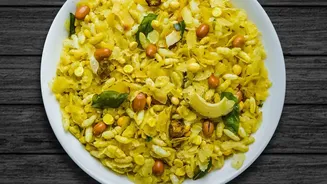
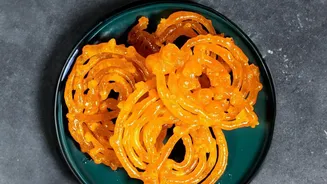
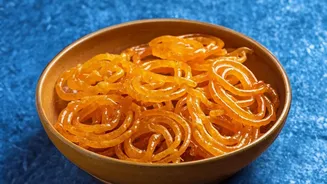
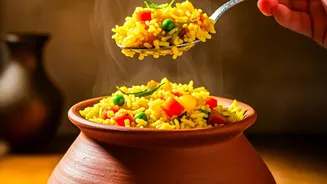
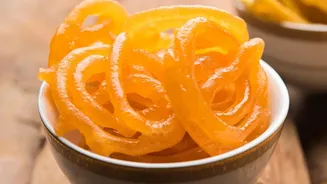
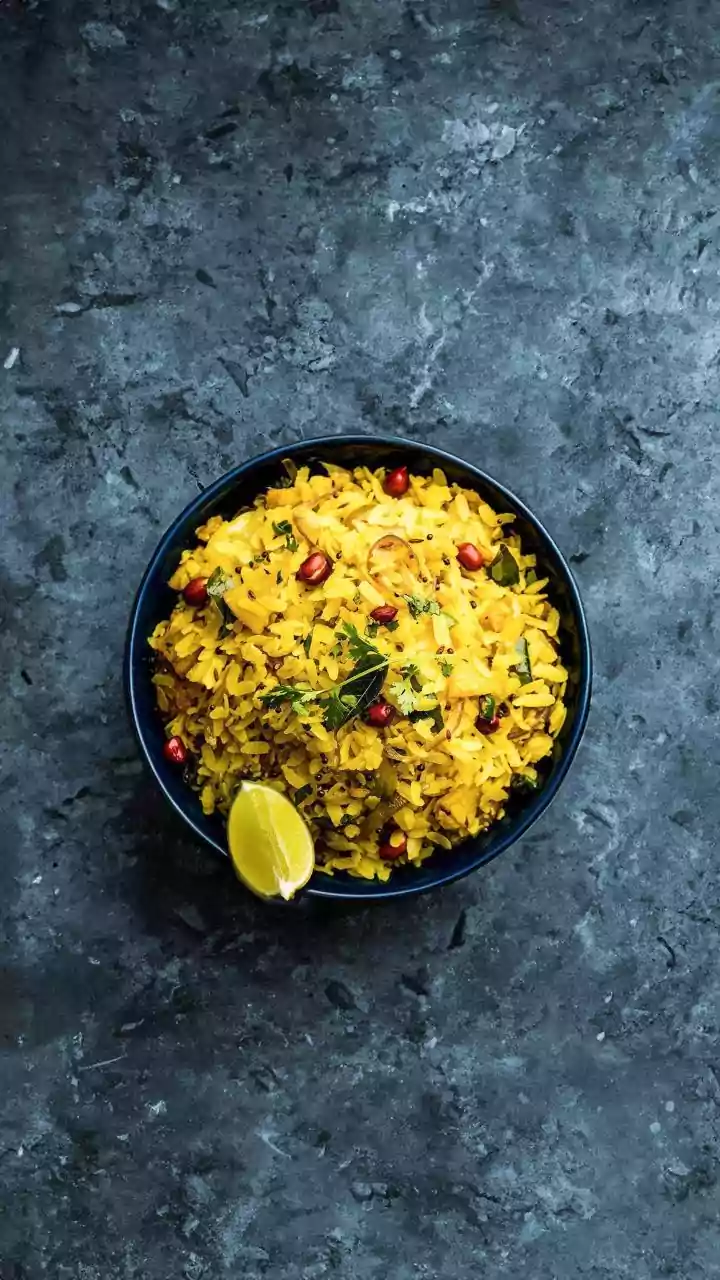
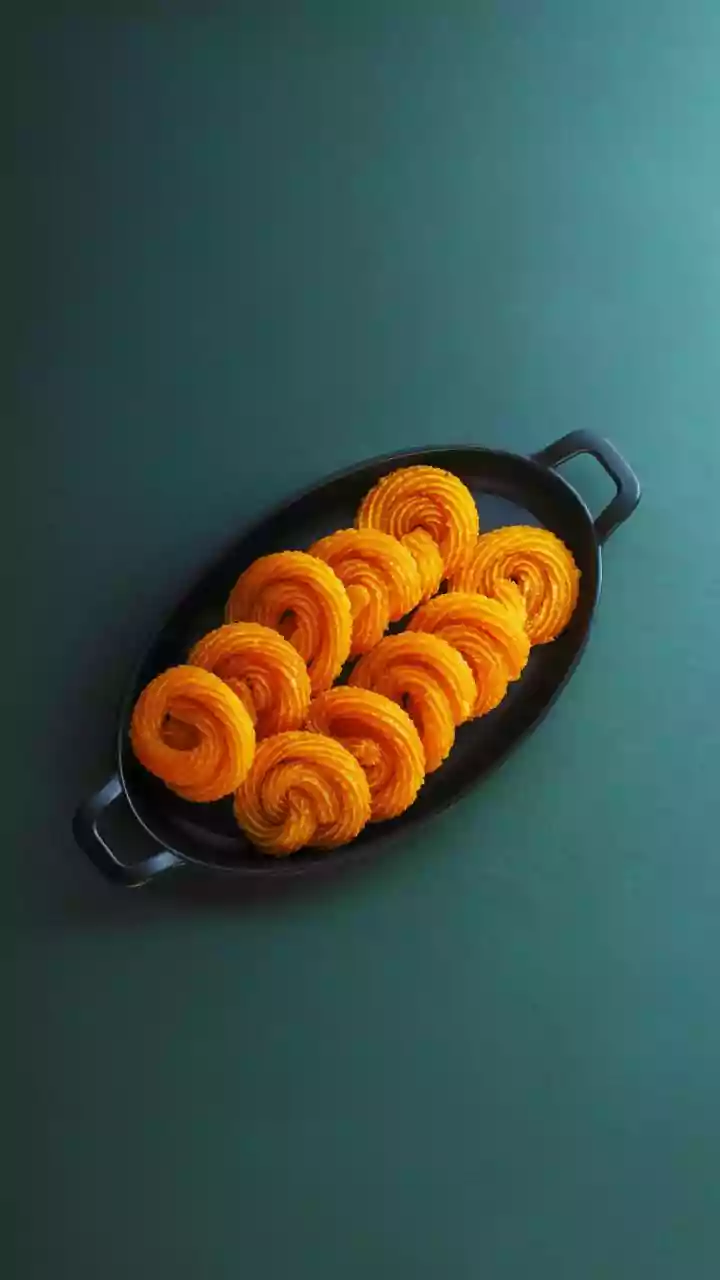
act is Indori Poha, a dish of flattened rice that is uniquely steamed to be incredibly soft and fluffy. But this is just the canvas. The art lies in the toppings: a sprinkle of chopped onions and fresh coriander, a squeeze of lime, and, most crucially, a lavish handful of crispy, spicy sev. Often, this is the Ratlami or Indori sev, a chickpea flour noodle that carries its own legacy of flavour. And on the side, completing this iconic pairing, is a hot, syrup-drenched jalebi. This isn't just a meal; it's a cultural institution, a daily ceremony performed at thousands of street carts and restaurants across the city and the wider Malwa region.
The Delicious Science of Contrast
On paper, the combination might seem baffling. A savoury, tangy rice dish with a deep-fried, sugar-soaked sweet? But the magic is in the contrast, a principle our taste buds are hardwired to love. The science is simple: salt enhances sweetness. When you take a bite of the poha, with its salty and tangy notes from the special Jeeravan masala, and follow it with a piece of jalebi, the sugar in the sweet feels more intense and complex. Our brains are wired to seek out both salt (an essential mineral) and sugar (a source of energy), and getting both in one satisfying experience creates a heightened sense of pleasure. It's a phenomenon known as flavour layering, where the combination of two distinct, positive tastes creates an experience greater than the sum of its parts. The textural play is just as important—the soft poha, the sharp crunch of the sev, and the chewy, syrupy jalebi create a symphony in every bite.
A Plate Full of History
This iconic breakfast is a delicious lesson in the history of Central India. Poha, or flattened rice, is believed to have travelled to the Malwa region from Maharashtra with the Maratha Holkars who established their rule in the 18th century. In Indore, this humble dish was elevated from a simple staple into an art form. Local vendors developed the steaming technique and added a flourish of toppings that appealed to the local palate, which was accustomed to a blend of flavours from Rajasthani, Gujarati, and Maharashtrian cuisines. The jalebi, with its origins in the Middle East, likely arrived in the region through Mughal influence. The combination of poha and jalebi, therefore, represents the cultural confluence of the Maratha and Mughal histories that have shaped this part of India. It’s a breakfast that encapsulates the region's geography and history on a single plate.
More Than a Meal, It's an Identity
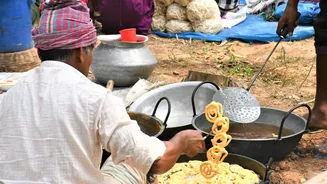
For the people of Indore, poha-jalebi is more than just breakfast; it's a unifier and a cherished part of their identity. The morning rush at a popular poha stall is a social event, a place where college students, office workers, and families gather to start their day. It’s a taste of home and a symbol of belonging. Newcomers to the city are often told that their initiation is incomplete until they have experienced the real deal—standing by a bustling cart, with a paper plate in hand, navigating the delightful chaos of that first sweet and savoury bite. This street food culture is taken seriously here; vendors guard their secret recipes for Jeeravan masala, and generations of families have built their livelihoods on perfecting this single dish. This deep-seated pride has transformed a simple breakfast into an edible love letter to the city of Indore.