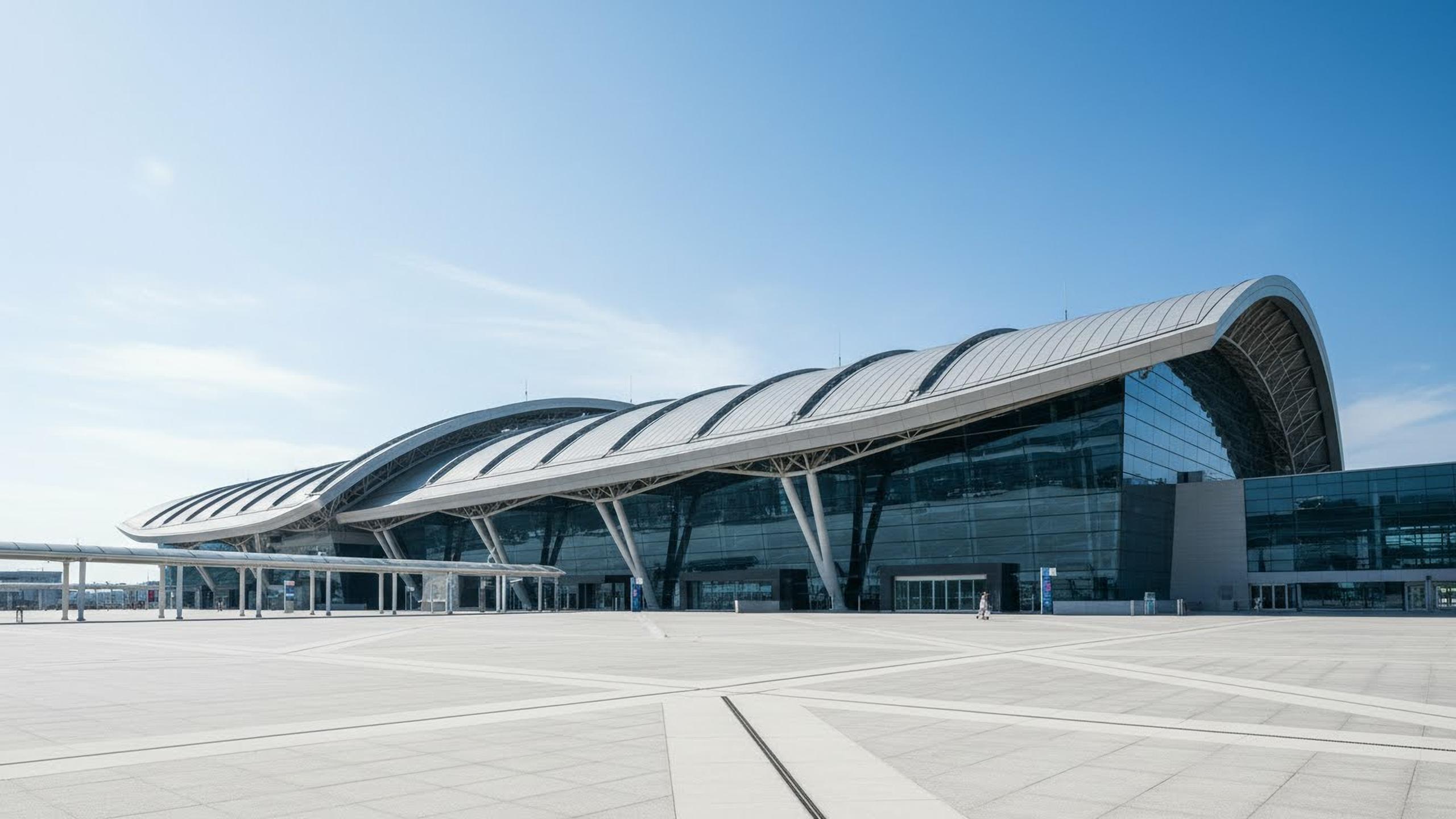







A New Global Leader by the Numbers
According to preliminary data from Airports Council International (ACI), Incheon handled an impressive 38.39 million international passengers in the first six months of 2026. This places it just ahead of London's Heathrow, which saw 37.79 million international passengers,
and Singapore's Changi, with 34.53 million. The milestone marks a historic first for the South Korean airport, which only opened in 2001. Its rise has been steady, climbing from 10th place in 2002 to third by 2024 before capturing the top spot this year. Meanwhile, Dubai International Airport, a perennial contender for the number one position, is expected to fall out of the top five, signalling a broader reshuffle in global travel patterns.
The Forces Driving Incheon's Ascent
Incheon's success isn't accidental; it's the result of strategic expansion, shifting geopolitics, and a cultural boom. A massive four-phase expansion completed in late 2024 boosted its annual capacity to 106 million passengers, making it the third largest in the world by that measure. This infrastructure investment has allowed the airport to grow its network to 101 carriers serving 183 cities. A key external factor has been geopolitical instability in the Middle East. Disruptions to routes that traditionally pass through Gulf hubs have diverted significant traffic, particularly transfer passengers, toward East Asia. Incheon reported that transfer passengers climbed by over 18% in the first half of the year, with traffic on European routes soaring by a remarkable 63.2%.
A Surge in Tourism and Connectivity
Beyond transit passengers, a powerful wave of inbound tourism is fuelling Incheon's growth. The airport has seen a major influx of visitors, particularly from nearby China and Japan. In the second quarter of 2026, foreign nationals made up a record 44.4% of all passenger traffic, a significant jump from previous years. This trend aligns with South Korea's growing cultural influence, often called the 'Korean Wave', which has made the country a more attractive destination. The airport has effectively capitalised on this, becoming a primary gateway for a new generation of tourists. This combination of a robust transit hub and a final destination appeal gives Incheon a dual advantage over competitors.
How Competitors are Faring
While Incheon celebrates its new status, its main rivals are not standing still. Heathrow, despite being overtaken, also recorded its busiest-ever first half when including domestic passengers, handling a total of around 40 million travellers. However, the London hub has been vocal about operating at capacity, which limits its potential for further growth without expansion. This has led to renewed calls for developing its infrastructure to remain competitive. Changi Airport, consistently lauded for its passenger experience, remains a formidable hub in Southeast Asia and is also in a strong recovery and growth phase. The new rankings highlight the increasing competitiveness of the Asia-Pacific region, which is expected to lead global air traffic growth.
What This Means for Indian Travellers
The rise of Incheon as a primary global hub could offer new opportunities for travellers from India. Increased competition and capacity in Asia can lead to more competitive airfares and a wider array of flight options to Europe and North America via Seoul. Incheon's growing network, which now connects 183 cities, provides more one-stop itineraries. For Indian carriers and passengers, the shift in traffic flows away from traditional Middle Eastern transit points may make East Asian hubs like Incheon more attractive and strategic alternatives. As airlines continue to adjust their networks in response to these global shifts, Indian travellers may find themselves with more efficient and varied routes for international journeys.