


The Big Shift: From E10 to E20
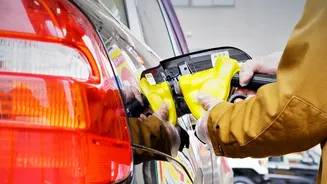
Not long ago, the standard petrol across India was E10, a blend containing 10% ethanol and 90% petrol. However, as part of its Ethanol Blended Petrol (EBP) programme, the government has mandated a nationwide switch to E20 fuel, which contains 20% ethanol.
This move aims to reduce India's reliance on imported crude oil, lower emissions, and support the agricultural sector. While all new vehicles manufactured since April 2023 are designed to be fully compatible with E20, the rapid transition has sparked a wave of concerns and claims, particularly from owners of older cars and two-wheelers designed for E10. This has led to a national conversation about fuel compatibility, engine safety, and whether E10 should make a comeback.
Claim: Higher Ethanol Blends Damage Engines
One of the most persistent claims is that using E20 in older, non-compliant vehicles can cause engine damage. Ethanol can be more corrosive than petrol and may affect certain rubber and plastic components in the fuel systems of older cars. Automakers and the government have stated that extensive testing has shown no evidence of widespread engine damage or component failure linked directly to E20 fuel. However, the Society of Indian Automobile Manufacturers (SIAM) had previously warned that forcing older, non-optimised vehicles to run on E20 could lead to material degradation and potential safety issues over the long term. For now, while there are no reports of immediate, catastrophic failures, the long-term effects on legacy vehicles remain a point of debate.
Claim: E20 Petrol Reduces Mileage
This claim is largely true, and even acknowledged by officials. Ethanol has a lower energy density than petrol, meaning you need to burn more of it to produce the same amount of power. The government has stated that vehicles designed for E10 may see a mileage drop of 3-5% when using E20. Some independent tests and anecdotal reports from drivers suggest the drop could be higher, sometimes between 5% and 10% or more, depending on the vehicle, driving style, and traffic conditions. While modern E20-compliant engines are calibrated to minimise this loss, owners of older vehicles are more likely to notice a dip in fuel efficiency, leading to more frequent trips to the fuel station.
Is My Vehicle Compatible?
This is the most critical question for drivers. As a rule of thumb, vehicles sold in India after April 2023 are required to be E20-compliant. Many vehicles manufactured a few years prior to this are also compatible, but it is not a guarantee. The definitive way to check is by consulting your vehicle’s owner’s manual or looking for a sticker, often inside the fuel filler cap, that specifies the compatible fuel types. Most petrol cars sold from the 2010s onwards are generally compatible with E10. If you are unsure, contacting the vehicle manufacturer or an authorised service centre is the safest course of action.
Will E10 Petrol Make a Comeback?
Due to public concern, there have been high-level discussions about reintroducing E10 as an option alongside E20. In August 2026, prominent figures, including the Chief Economic Adviser, voiced support for giving consumers a choice to allay fears about older vehicles. One proposal being considered is to offer E10 through the existing premium petrol (Octane 95) network, which would avoid the major logistical challenge of setting up a third fuel supply chain. However, as of late August 2026, oil marketing companies like BPCL clarified that no final decision has been made, and that there is no plan to completely replace E20 with E10. For now, E20 remains the standard across the country.