



Why More Fibre Matters
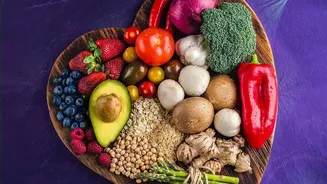
Dietary fibre, found mainly in fruits, vegetables, whole grains, and legumes, is a powerhouse nutrient. Experts recommend that most adults aim for 25 to 30 grams of fibre daily. A high-fibre diet aids digestion, helps you feel full longer, and can play
a role in managing blood sugar and cholesterol levels. Studies have also linked adequate fibre intake to a lower risk of several chronic diseases. Yet, a significant portion of the Indian population doesn't meet this daily target. The solution isn't about drastic changes, but smart, simple additions to the meals you already enjoy.
The Foundation: Quick-Cooking Grains and Legumes
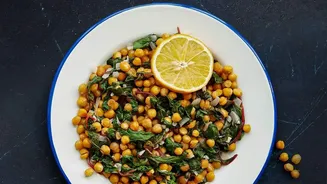
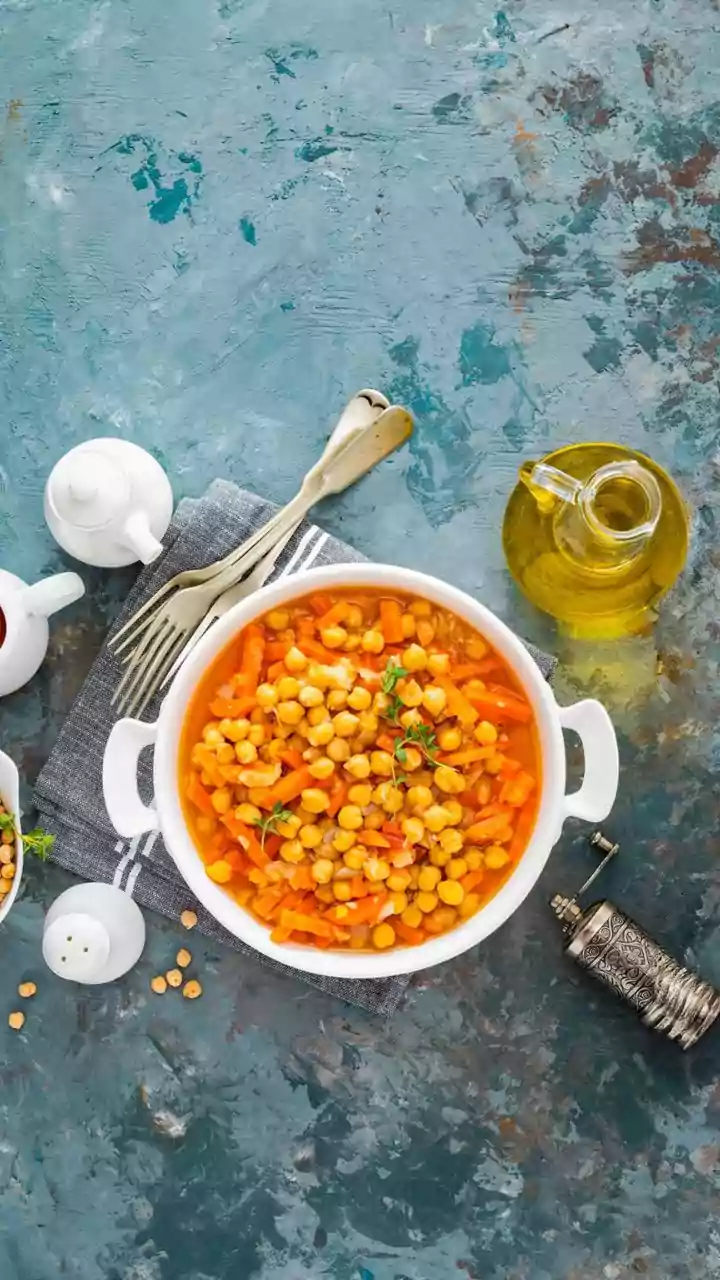
The secret to fast, high-fibre meals lies in your pantry. Stocking quick-cooking whole grains and legumes is the first step. Millets, quinoa, and oats are excellent choices. Quinoa cooks in about 15 minutes, while rolled oats are ready in under 10. Millets are also quite versatile and can be ready in 20-30 minutes. Similarly, having pre-cooked or canned legumes like chickpeas, rajma (kidney beans), and lentils on hand can transform a meal in minutes. A simple pressure-cooked dal or a can of rinsed chana can be the base for numerous dishes.
Flexible Breakfasts to Start the Day
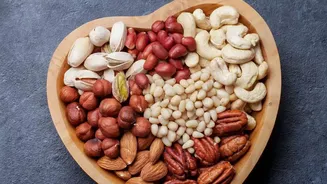
Breakfast is a prime opportunity to pack in fibre. A bowl of masala oats, for instance, is a perfect canvas. It can be made with vegetables for a savoury, vegetarian start to the day. For those wanting more protein, it can be topped with nuts and seeds, or even a fried egg. Another incredibly versatile option is a smoothie. Blend a banana, a scoop of oats, and some yoghurt or milk. From this base, you can create different versions: add a handful of spinach for one person, a scoop of protein powder for another, and some berries for a third.
Build-Your-Own Lunch Bowls
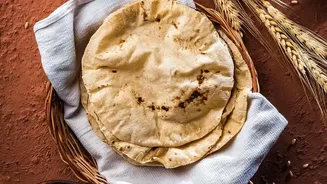
The 'bowl' concept is ideal for accommodating different preferences. Start with a fibre-rich base for everyone, such as cooked quinoa, millet, or brown rice. Then, set up a 'topping bar' of sorts. For protein, you can offer spiced paneer cubes, leftover grilled chicken, boiled eggs, or a simple chickpea salad. Add a variety of chopped raw vegetables like cucumber, tomatoes, and onions, along with a simple dressing or a dollop of curd. Everyone can assemble their own bowl, ensuring they get a meal they enjoy while still being anchored in healthy, high-fibre ingredients. This approach also works wonderfully with wraps using whole-wheat rotis.
Adaptable One-Pot Dinners
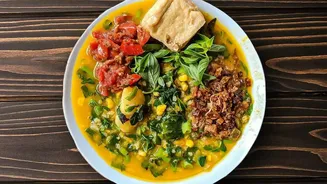
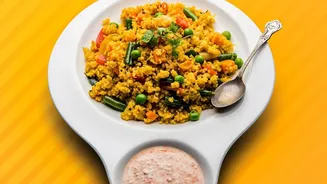
For dinner, think of dishes that have a flexible core. A mixed vegetable khichdi made with dal and brown rice or millets is a comforting and complete meal. You can easily serve this as is for vegetarians. For non-vegetarians, a separately prepared side of stir-fried chicken or prawns can be added to their portion. Curries are also incredibly adaptable. A basic tomato-onion gravy can be made in one pot. Then, you can divide it, adding paneer or tofu to one half and chicken or mutton to the other. This 'cook once, serve twice' method saves time while respecting everyone's dietary choices, from palak paneer to palak chicken.