





Every December, Nagaland's hills come alive with a riot of colour, music, and tradition. The Hornbill Festival is more than a spectacle; it's a deliberate, vibrant strategy to celebrate and preserve ancient heritage through a modern tourism event.
The Festival of Festivals
Launched
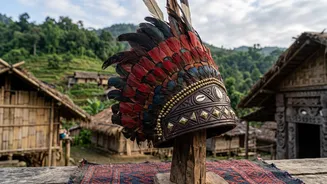
in 2000 by the Nagaland government, the Hornbill Festival was created with a dual purpose: to foster interaction between the state's diverse ethnic groups and to showcase their rich heritage to the world. Held annually from December 1 to 10 at the Naga Heritage Village, Kisama, near Kohima, it’s aptly called the 'Festival of Festivals'. It brings all of Nagaland's major tribes—each with its own distinct festivals, customs, and dialects—onto a single platform. The festival is named after the revered hornbill bird, a symbol of pride and grandeur prominent in the folklore of most Naga tribes. This timing coincides with Nagaland's Statehood Day on December 1, anchoring the celebration in a sense of regional identity.
A Living Museum of Naga Culture
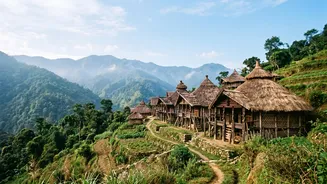
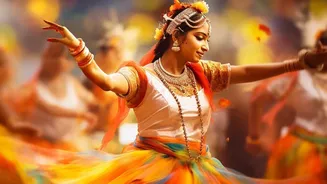
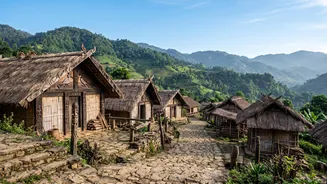
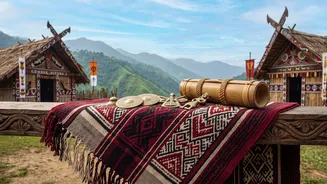
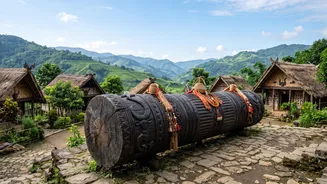
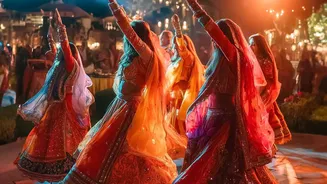
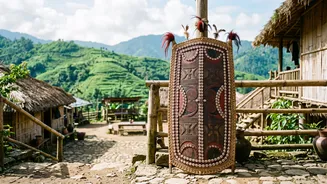
The heart of the festival lies in its authentic celebration of tradition. The Kisama Heritage Village features clusters of morungs, or traditional youth dormitories, each built to represent one of the 17 recognised tribes. These are not static exhibits; they are living spaces where visitors can interact with community members, watch artisans at work, and witness customs firsthand. Throughout the ten days, the main arena pulses with folk dances, warrior chants, and traditional songs that tell stories of harvest and history. This setup offers an unparalleled opportunity for visitors to gain a deeper understanding of Naga life without having to travel to the far-flung corners of the state. For many young Nagas, it is also a vital opportunity to connect with and learn the customs of their elders.
From Traditional Crafts to Modern Rock
While deeply rooted in tradition, the Hornbill Festival has evolved to embrace contemporary elements, widening its appeal. Beyond the morungs, the festival grounds are filled with stalls selling intricate handicrafts, from wood carvings and paintings to traditional shawls and bead jewellery. Food is another major draw, with an array of Naga dishes available, including smoked pork, bamboo shoot curries, and the famous Naga king chilli. In the evenings, the festival takes on a modern vibe with the Hornbill Music Festival. This segment features performances from local, national, and international rock bands, creating a unique fusion of ancient and modern culture that appeals to a younger, global audience.
Tourism as a Tool for Preservation and Livelihood
The festival is a cornerstone of Nagaland's tourism strategy, designed to transform cultural pride into a sustainable economic engine. It provides a crucial platform for artisans to sell their crafts, for cultural troupes to earn performance fees, and for countless others to find employment in hospitality, transport, and as guides. The economic impact is significant, with past editions generating hundreds of crores in revenue and creating thousands of jobs. By creating tangible economic benefits, the government incentivises the preservation of cultural practices that might otherwise fade. This model demonstrates that tourism, when managed thoughtfully, can be a powerful force for safeguarding intangible heritage, ensuring that traditions are not just remembered but actively practiced and valued.