




The Countertop Champions
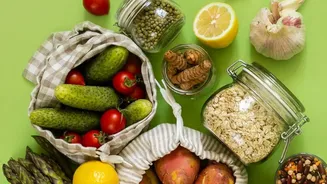
Tomatoes are perhaps the most common victim of wrongful refrigeration. While the cold might delay spoilage, it's a death sentence for flavour. Tomatoes evolved in warm climates and aren't built for the cold. Low temperatures halt the enzymes that create
their complex, sweet taste and damage the fruit's internal membranes, resulting in a bland, mealy, and disappointingly grainy texture. For the best taste, store whole tomatoes on your counter away from direct sunlight. Once they are perfectly ripe, you should aim to eat them quickly. If you must extend their life by another day or two, only then should they see the inside of your fridge. And if a tomato is cut, it must be refrigerated.
The Dark, Cool Pantry Dwellers
Potatoes, onions, and garlic are staples in Indian cooking, but they should never be stored together in the fridge. Potatoes thrive in a cool, dark, dry place like a pantry. When refrigerated, the cold temperature converts the potato's starch into sugar. This not only makes them taste oddly sweet but can also lead to higher levels of a chemical called acrylamide when they are fried or roasted. Onions and garlic also prefer a cool, dark spot with good air circulation to prevent them from becoming soft and moldy. Crucially, keep onions and potatoes separate. Onions release ethylene gas, which encourages potatoes to sprout prematurely.
The Great Bread Debate
Putting your daily loaf of bread in the refrigerator might seem logical, but it's one of the worst things you can do. The cold, dry air of the fridge actually makes bread go stale much faster. The scientific process, known as starch retrogradation, happens more quickly at cool temperatures than at room temperature. For short-term storage of a few days, the best place for your bread is in a bread box or a paper bag on your counter. This allows it to breathe, maintaining a crisp crust and soft interior. For any longer, your freezer is the best option. Slicing the bread before freezing allows you to take out only what you need, preserving its freshness for weeks or even months.
Adjusting for Climate and Ripeness
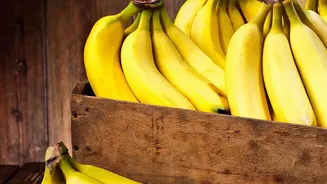
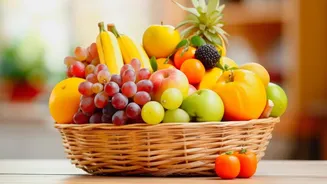
Proper storage isn't a one-size-fits-all formula; it requires adjusting for your environment and the state of the food itself. In a hot and humid climate, like many parts of India, fruits and vegetables ripen and spoil much faster. While a tomato is best at room temperature, an already very ripe one might need to be refrigerated to prevent it from spoiling overnight. The same logic applies to other countertop fruits like bananas and avocados. Keep them on the counter to ripen, but if they reach peak ripeness and you're not ready to eat them, a short stay in the fridge can buy you a little extra time. The key is to see refrigeration as a temporary holding pattern for ripe produce, not a long-term home.
Other Foods to Keep Out of the Fridge
The list of foods that suffer from the cold is surprisingly long. Honey will crystallize and become hard in the fridge; it's naturally preserved and keeps perfectly at room temperature. Coffee, whether beans or grounds, should be stored in an airtight container in a dark pantry, as the fridge's moisture can ruin its flavour. Whole melons, bananas, and winter squashes also develop their best flavour and texture when left on the counter. As a general rule, unless a food is highly perishable like meat and dairy, or has been cut or cooked, it's worth double-checking if the refrigerator is truly its best home.