






The Problem with Starchy Meals
During Sawan, it's common to reach for fasting staples like sabudana (tapioca pearls) and potatoes. While these foods provide a quick burst of energy, they are high in simple carbohydrates. This can lead to a rapid spike in blood sugar, followed by a crash
that leaves you feeling sluggish, hungry, and fatigued long before your next meal. Relying solely on these starchy options can create a cycle of low energy and constant hunger, making the fasting period feel more physically demanding than it needs to be. Many traditional fried vrat snacks also fall into this category, contributing to bloating and lethargy.
Why Protein Is Your Fasting Friend
Protein is the key to a more balanced and energetic fast. Unlike simple starches, protein digests more slowly, which helps to stabilize blood sugar levels and provide a steady release of energy. This promotes a feeling of fullness, or satiety, that can last for hours, helping you control hunger pangs and avoid overeating when you break your fast. For those who are physically active or concerned about muscle health, adequate protein intake during fasting is crucial for preserving muscle mass. Incorporating a source of protein into every meal transforms your plate from a temporary fix into a source of sustained nourishment.
Top Sawan-Approved Protein Sources
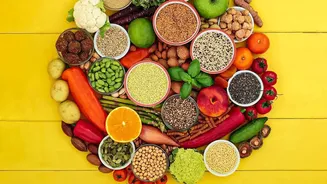
You don't have to break your fast's rules to get enough protein. Many vrat-friendly foods are excellent sources. Paneer (cottage cheese) is a versatile powerhouse, rich in slow-digesting casein protein. Dairy products like curd (yogurt) and milk are also fantastic options, providing protein along with hydration and gut-healthy probiotics. Nuts and seeds, such as almonds, walnuts, and peanuts, offer a combination of protein and healthy fats for lasting energy. Flours like rajgira (amaranth) and kuttu (buckwheat) are considered pseudo-grains and contain significantly more protein than regular flours. Even makhana (fox nuts) are a light yet protein-rich snack perfect for fasting days.
Building a Protein-Supported Plate
Shifting your focus to protein is simple with a few smart swaps and combinations. Instead of a plain sabudana khichdi, add a generous amount of roasted peanuts to boost its protein content. Pair kuttu or rajgira rotis with a simple paneer bhurji or a bowl of creamy curd. Samak ke chawal (barnyard millet) can be served with a paneer curry for a complete and satisfying meal. For snacks, move away from fried potatoes and towards roasted makhana, a handful of mixed nuts, or a fruit salad topped with paneer cubes. A smoothie made with banana, almond milk, and a spoonful of seeds can also be a filling and protein-packed drink.
Achieving the Right Balance
The goal isn't to eliminate carbohydrates entirely but to pair them intelligently. Healthy carbs from fruits, sweet potatoes, and vrat-friendly flours are still an important source of energy. The key is balance. When you eat a starchy food like potatoes or samak rice, ensure it's accompanied by a serving of protein and some healthy fats. For example, a sweet potato chaat can be balanced with a garnish of peanuts and a side of yogurt. This combination slows down the absorption of sugar, prevents energy crashes, and keeps you feeling full and focused on the spiritual aspects of your fast, rather than on your hunger.