





The Nuclear Impasse
At the heart of the standoff is Iran’s nuclear program. The conversation has moved far beyond theoretical breakout times. The immediate sticking point is a significant stockpile of highly enriched uranium that Iran has accumulated. For Washington, this
stockpile represents a direct and unacceptable proliferation risk, a near-term capability to produce a weapon. For Tehran, however, this material is its most powerful bargaining chip, leverage it is unwilling to surrender without massive concessions. Discussions have reportedly included proposals to transfer the uranium to a third country or dilute it, but agreement on the mechanics, timing, and verification of such a process remains elusive, trapped in a cycle of mutual distrust.
Control of the Strait of Hormuz
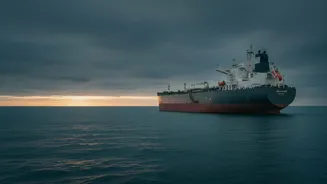
The Strait of Hormuz, a critical chokepoint for a significant portion of the world's oil supply, has become a live-fire issue. The dispute is no longer just about freedom of navigation; it is an economic and military battleground. Iran has actively tried to assert control and monetize transit, reportedly forcing commercial vessels to purchase IRGC-linked insurance to pass. In response, the US has enforced a naval blockade and used sanctions to disrupt what it calls an “extortion network.” The two sides have offered conflicting proposals on how to manage the waterway, but Washington's demand for unrestricted passage is fundamentally at odds with Tehran's insistence on retaining authority over this vital strategic asset.
The Sanctions Web and Economic Demands
Economic pressure remains a primary tool for the US, with sanctions continuously updated to target entities accused of supporting Iran's military, including the Islamic Revolutionary Guard Corps (IRGC). These sanctions are designed to cripple Iran's ability to fund its regional activities and military programs. From Iran's perspective, any viable deal must include not only the complete lifting of this crippling sanctions architecture but also the release of billions in frozen overseas revenues. Some reports even mention Iranian demands for a massive reconstruction fund, which opponents in the US have decried as akin to reparations. This vast financial divide—between pressure and compensation—is one of the most difficult to bridge.
Wider Regional Conflicts
The US-Iran negotiation does not exist in a vacuum. Washington and its allies, particularly Israel, are determined to see any agreement address Iran's ballistic missile program and its support for proxy forces across the Middle East, such as Hezbollah in Lebanon and the Houthis in Yemen. Iran, seeing these proxies as a core part of its defensive posture and regional influence, has resisted including them in talks focused on the nuclear file. In a sign of how entangled these issues have become, Iran has reportedly demanded that any ceasefire must also apply to Israel's military operations in Lebanon, linking the two conflicts directly.
Domestic Politics and Public Posturing
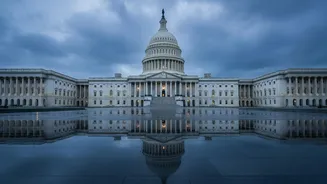
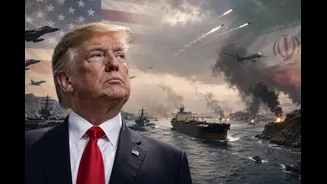
Leaders in both Washington and Tehran face immense domestic pressure, making compromise politically treacherous. In recent weeks, the two governments have issued completely contradictory statements about whether talks are even taking place, with President Trump insisting they are while Iranian officials deny it. This public theatre is aimed at internal audiences. Hardliners on both sides are deeply skeptical of any diplomatic rapprochement, especially after a recent, direct military conflict. For any leader, being seen as giving away too much could be politically fatal, a reality that keeps the negotiating process fragile and prone to collapse at the slightest provocation.