




The Power of Pulses
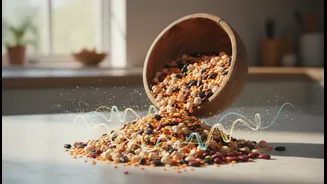
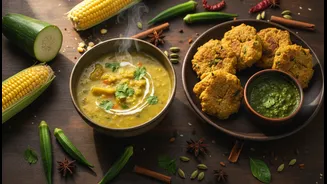
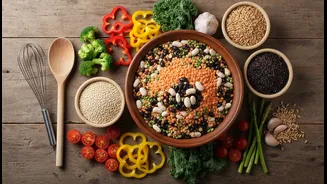
Often called the “poor man’s meat,” pulses are nutritional powerhouses that form the backbone of Indian cuisine. Lentils (dals), chickpeas (chana), and kidney beans (rajma) are packed with protein, typically containing about 21-25% protein by dry weight.
A single cooked cup of dal or chana can provide a significant portion of your daily protein requirement. For example, 100 grams of cooked lentils offer around 9 grams of protein. Beyond just protein, pulses are rich in fibre, vitamins, and minerals, which help keep you feeling full and support overall health. They are incredibly versatile, forming the base for countless curries, stews, salads, and soups. The affordability of dals like moong, masoor, and toor makes them one of the most cost-effective ways to ensure your family gets enough protein every day.
The Might of Whole Grains
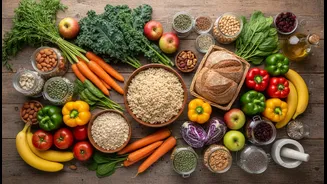
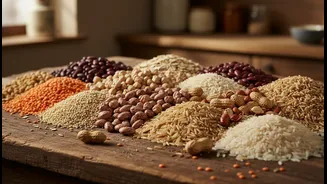
While we often think of grains as carbohydrates, whole grains contain a surprising amount of protein. Traditional Indian staples like whole wheat, millets (like jowar and bajra), and even oats contribute to your daily protein intake. The key is to choose whole grains over their refined counterparts. For example, swapping white rice for brown rice or quinoa can increase the protein and fibre content of your meal. Even the humble roti, when made from whole wheat flour, adds to your protein count. For an extra boost, you can explore protein-fortified atta, which enriches your daily bread with added plant-based protein without changing your eating habits.
The Humble, High-Protein Peanut
Peanuts are frequently overlooked as a serious protein source, but they are a fantastic and inexpensive option. Botanically a legume but used as a nut, peanuts contain more protein than any other nut, with a single one-ounce serving (about a handful) providing roughly 7 grams of high-quality, plant-based protein. This makes them an excellent snack to keep you full between meals. Peanuts are also rich in healthy fats, fibre, and essential nutrients that support heart health. They can be eaten roasted, added to poha or upma, or consumed as peanut butter. A simple peanut butter sandwich on whole wheat bread is a classic, affordable high-protein meal.
Combining for Complete Protein
One common concern with plant-based protein is that many sources are “incomplete,” meaning they lack one or more of the nine essential amino acids our bodies need. However, this is easily solved by combining different plant foods, a practice that is already intuitive in Indian cuisine. The classic combination of dal and rice is a perfect example. Pulses are typically low in the amino acid methionine but high in lysine, while grains like rice are the opposite. When eaten together, they provide all the essential amino acids, creating a complete protein. You don't even need to eat them in the same meal; consuming a variety of plant foods throughout the day is sufficient for most people.
Putting It All Together: A Sample Day
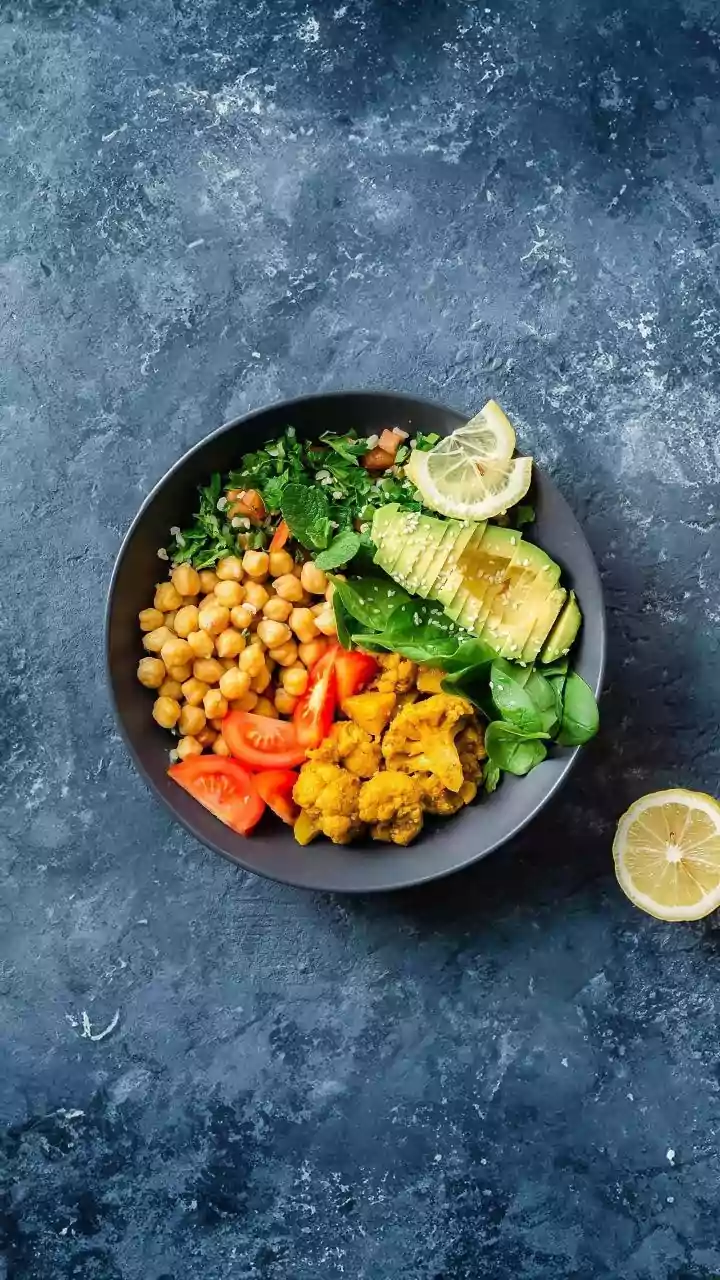
So, what does a budget-friendly, high-protein day look like? Start with a breakfast of oatmeal cooked with milk and topped with a spoonful of peanut butter. For lunch, a hearty bowl of rajma or chana masala with brown rice and a side of yogurt provides a balanced, protein-packed meal. An afternoon snack could be a simple handful of roasted peanuts or chana. For dinner, a couple of moong dal chillas (savoury lentil pancakes) with a vegetable filling makes for a light yet protein-rich end to the day. This approach ensures you are getting steady protein from diverse sources, keeping you energised and full without relying on expensive supplements or meats.