



Koenji: Tokyo’s Punk Rock Soul
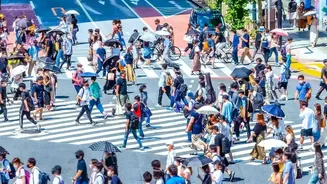
Forget the sleek, polished facade of mainstream Tokyo for a moment and dive into the gritty, bohemian heart of Koenji. A short train ride from Shinjuku, this neighborhood is the city's undisputed capital of counter-culture. Once the epicenter of Tokyo's
1970s punk scene, its rebellious spirit lives on. The streets are a vibrant maze of 'shotengai' (shopping arcades) packed with vintage clothing stores, tiny record shops, and independent boutiques. It’s a paradise for treasure hunters seeking one-of-a-kind fashion pieces without the Harajuku price tag. As evening falls, the area buzzes with a different kind of energy as locals fill the smoky 'izakaya' (pubs) and head to underground live music venues to catch the city's next big punk act. It’s an authentic slice of Tokyo life, best experienced without a strict itinerary.
Yakushima: A Mystical, Ancient Forest
If your image of Japan is purely urban, Yakushima Island will shatter it. This subtropical island off the southern coast of Kyushu is a designated UNESCO World Heritage site, a world away from the neon glow of the cities. Its main draw is its ancient, moss-covered forests, home to giant cedar trees ('yakusugi') that are thousands of years old. The mystical landscape is so enchanting that it famously inspired the forests in Studio Ghibli's masterpiece, Princess Mononoke. Hiking through the Shiratani Unsuikyo ravine feels like stepping into a fairytale, with lush green moss carpeting every surface and crystal-clear streams bubbling nearby. The island offers a range of trails for all fitness levels, rewarding adventurers with profound tranquility and a powerful connection to nature.
Naoshima: The Island of Art
For art lovers, a trip to Naoshima is less a detour and more a pilgrimage. Located in the Seto Inland Sea, this small island has been transformed into a world-class contemporary art destination. Much of the art is housed in stunning museums designed by architect Tadao Ando, whose minimalist concrete structures are artworks in themselves, seamlessly blending with the natural landscape. The Chichu Art Museum, built mostly underground, features works by Claude Monet and James Turrell, lit entirely by natural light. Elsewhere, you can stay in a hotel that is also a museum (Benesse House), discover art installations in abandoned traditional houses (Art House Project), and, of course, see Yayoi Kusama's iconic pumpkin sculptures. It's an immersive experience where art and nature are in constant dialogue.
Kinosaki Onsen: A Timeless Hot Spring Town
While Japan has many hot spring towns, Kinosaki Onsen offers a uniquely traditional and atmospheric experience. Located in Hyogo Prefecture, the town is considered one large 'ryokan' (traditional inn), with the streets acting as hallways. The main activity is 'soto-yu meguri', or touring the seven public bathhouses scattered along the willow-lined river. Upon checking into a ryokan, guests are given a 'yukata' (light cotton kimono) and 'geta' (wooden sandals) to wear as they stroll through town, hopping from one bath to the next. The entire town welcomes guests with tattoos, an unusual and inclusive policy for Japanese onsen. In the evening, the sound of geta clacking on the stone bridges and the warm glow of lanterns create a magical atmosphere that feels like a journey back in time.
Matsumoto: The Majestic 'Crow Castle' Town
Many visitors flock to Himeji Castle, the famous 'White Heron', but for a different and equally impressive experience, head to Matsumoto in Nagano Prefecture. Here you'll find Matsumoto Castle, one of Japan's few remaining original castles. Known as 'Karasujo' or 'Crow Castle' for its striking black exterior, it offers a dramatic contrast to Himeji's white facade. Built on a plain rather than a hilltop, its dark, formidable structure stands proudly against the backdrop of the Japanese Alps. The wooden interior is authentic, and climbing the steep, narrow stairs to the top floor rewards you with panoramic views of the city. The surrounding town is charming and easily walkable, with historic streets like Nakamachi and Nawate (or 'Frog Street') adding to its appeal.