
The Rise of the 'Superior Grain'
For centuries, millets like jowar, bajra, and ragi were staples in Indian kitchens before polished rice and wheat took over. Now, these ancient grains are making a major comeback, celebrated by chefs and nutritionists alike for their incredible health
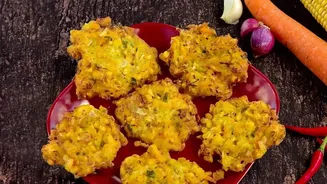
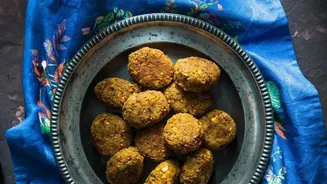
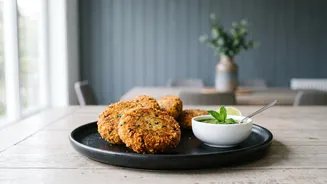
benefits. Often called 'Shree Anna' or the superior grain, millets are naturally gluten-free, high in fibre, and packed with essential minerals like iron, magnesium, and calcium. Their low glycemic index helps in managing blood sugar levels, making them an excellent choice for a balanced diet. Chef Kunal Kapur has been a vocal advocate for these powerhouse grains, showcasing their versatility in modern Indian cooking. This cutlet recipe is a perfect example of how traditional ingredients can be used to create contemporary, healthy, and delicious food.
The Chef's Secret: Texture and Flavour
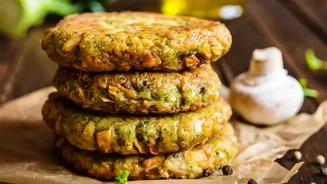
What makes this cutlet recipe stand out is the thoughtful combination of ingredients that creates a symphony of textures and flavours. Instead of a simple potato-based patty, Chef Kapur uses barnyard millet (samak rice) as the base. This not only makes the cutlet healthier but also gives it a unique, slightly chewy texture that's incredibly satisfying. The addition of finely chopped vegetables like carrots, french beans, and corn adds moisture, sweetness, and a pop of colour. The real masterstroke, however, is the inclusion of roasted peanuts and cashews. These nuts provide a delightful crunch in every bite, along with healthy fats and protein, transforming the humble cutlet into a more complex and gourmet snack.
Ingredients for Your Millet Cutlets
This recipe uses easily available ingredients to create about 13 cutlets. The star is barnyard millet, also known as samak rice, which is popular during fasting. Barnyard Millet (Samak Rice): 1 cup (200g) Water: 4 cups Vegetables: ½ cup grated carrots, ¼ cup chopped french beans, ⅓ cup boiled corn, ⅓ cup green peas Nuts: ¼ cup roasted peanuts, ¼ cup broken cashews Aromatics: 2 tsp chopped ginger, 2 chopped green chillies, a sprig of curry leaves Spices: 1 tsp cumin seeds, ½ tsp asafoetida (hing), ½ tsp crushed black pepper, ½ tsp turmeric, 1 tsp chilli flakes For Finishing: A handful of fresh coriander leaves, 2 tbsp ghee or oil for shallow frying Salt to taste.
Step-by-Step Cooking Guide
Follow these simple steps, adapted from Chef Kapur's method, to make perfect millet cutlets in your own kitchen. 1. Prepare the Base: In a deep pan, heat 1 tbsp of oil. Add the asafoetida, cumin seeds, crushed pepper, curry leaves, green chillies, and ginger. Sauté for a minute until fragrant. 2. Cook the Mix: Add 4 cups of water and salt, and bring it to a rolling boil. Now, add all the vegetables (carrots, beans, corn, peas), nuts (peanuts, cashews), turmeric, and chilli flakes. Let it boil for another minute. 3. Add the Millet: Gradually add the barnyard millet while stirring continuously to avoid lumps. Keep cooking and stirring until the mixture thickens into a dough-like consistency and leaves the sides of the pan. 4. Cool and Shape: Transfer the cooked mixture to a plate and allow it to cool down to room temperature. Once cool, mix in the freshly chopped coriander. 5. Pan-Fry to Perfection: Rub a little oil on your palms, take portions of the mixture, and shape them into round or oval cutlets. Heat ghee or oil in a non-stick pan and shallow-fry the cutlets on medium heat until they are golden brown and crispy on both sides.
Serving Suggestions and Pro Tips
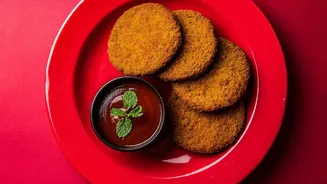
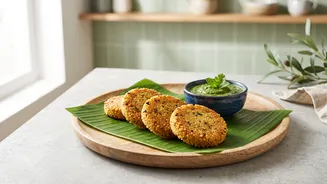
These millet cutlets are incredibly versatile. Serve them hot as an evening snack with a side of green chutney or a simple tomato ketchup. They also make a fantastic, healthy patty for a mini burger or a slider. For an extra touch of flavour, you can add a pinch of chaat masala on top just before serving. If your mixture feels a bit too wet after cooking, don't worry. Just let it cool completely; it will firm up. You can even refrigerate it for about 30 minutes before shaping the cutlets. This recipe is a fantastic starting point. Feel free to experiment with other millets like foxtail millet or vegetables like grated paneer or beetroot for different flavours and textures. The key is to embrace the goodness of these ancient grains and make them your own.