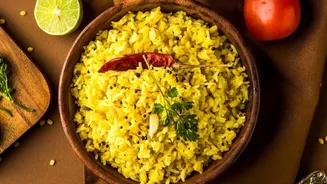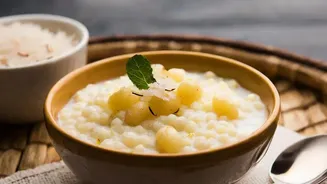




The Starch Situation
Sabudana, or tapioca pearls, are nearly pure starch extracted from cassava root. This high starch content is what gives them the potential to become gluey. When the pearls are exposed to too much water and then heat, the starch granules gelatinize, causing
them to burst and bind together into a sticky paste. The key to avoiding this lies in controlling two factors before you even begin cooking: removing excess surface starch and managing moisture. Getting these preparation steps right is more critical than the cooking itself.
Soaking: The Most Crucial Step
Perfect khichdi begins with perfect soaking. First, rinse the sabudana under cold water multiple times. Continue rinsing until the water runs clear, which indicates that the loose surface starch has been washed away. This single step is vital for preventing the pearls from clumping together in the pan. Next, soak the pearls using a precise water-to-sabudana ratio. A common rule is a 1:1 ratio, meaning one cup of water for one cup of sabudana, or just enough water to cover the pearls. Using too much water is the primary cause of a mushy outcome. Soaking time can vary from 4-8 hours to overnight, depending on the size and quality of your sabudana. The goal is for the pearls to absorb all the water and become soft.
The Readiness Test
How do you know when the sabudana is perfectly soaked and ready for cooking? There's a simple test. Press a pearl between your thumb and forefinger. It should squash easily with no hard, white centre. If there's still a hard dot inside, it needs more time. You can sprinkle a little water, mix gently, and let it sit for another 30-60 minutes before checking again. Once soaked, if you notice any excess water at the bottom of the bowl, drain it completely. Some cooks even recommend letting the drained pearls rest in a colander for 15-30 minutes to ensure any remaining surface moisture evaporates.
Mastering the 'Khila-Khila' Texture
To achieve that desirable 'khila-khila' (fluffy and separate) texture, a few extra steps work wonders. After soaking and draining, many experienced cooks add coarsely ground roasted peanuts to the sabudana and mix gently. The peanut powder acts as a desiccant, absorbing any trace amounts of excess moisture and helping to keep each pearl distinct during cooking. When you do start cooking, use a heavy-bottomed or non-stick pan to prevent sticking and ensure even heat distribution. Also, be generous with your cooking fat, whether it's ghee or oil, as this helps coat the pearls and further prevents them from clumping.
The Final Act: Cooking and Finishing
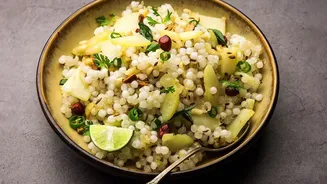
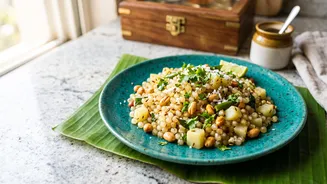
The final cooking process is surprisingly quick. Sabudana cooks in just a few minutes. Cook on a low to medium flame, stirring gently and infrequently. Vigorous or constant stirring can break the delicate pearls, releasing more starch and creating stickiness. The visual cue for doneness is when the opaque white pearls turn translucent and glossy. This should take about 3-5 minutes. Overcooking is another common pitfall that will turn your perfectly prepped pearls into a lumpy mass. Once they look translucent, turn off the heat. A final squeeze of lemon juice not only adds flavour but the acidity also helps in keeping the grains separate. Garnish with fresh coriander and serve immediately.