






The Groundbreaking ICMR-INDIAB Study
The Indian Council of Medical Research (ICMR) and the Madras Diabetes Research Foundation (MDRF) conducted one of the largest dietary surveys in the country, known as the ICMR-INDIAB study. It wasn't a small-scale project; researchers analysed the eating
habits of over 121,000 adults from both urban and rural areas across all 36 states and union territories. The goal was to create a clear picture of what Indians are actually eating and how those dietary patterns connect to metabolic diseases like obesity, pre-diabetes, and type 2 diabetes, which are rising at an alarming rate nationwide.
The Surprising Finding: A Diet Dominated by Carbs
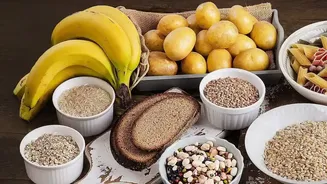
The study's most significant finding was the sheer dominance of carbohydrates in the average Indian diet. Researchers discovered that Indians get a staggering 62% of their daily calories from carbohydrates, one of the highest rates in the world. This was true for both vegetarian and non-vegetarian diets. Crucially, the quality of these carbs was low. The primary sources were not complex carbohydrates like millets or whole grains, but refined ones like polished white rice, finely milled wheat flour, and added sugar. This pattern of high refined carb intake was directly associated with a higher risk of developing obesity and diabetes.
It's Not Vegetarianism, It's the Imbalance
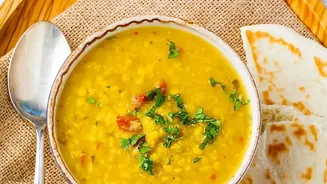
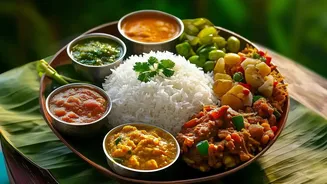
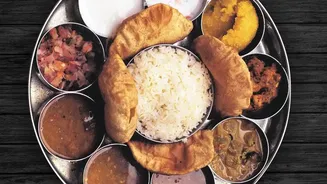
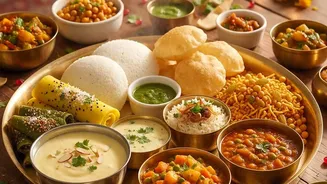
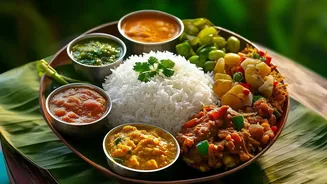
The research makes it clear that vegetarianism itself is not the problem. The issue lies in the composition of the plate. A typical Indian vegetarian meal—think roti, rice, and a small portion of dal and sabzi—is disproportionately high in carbohydrates and often lacks sufficient protein. The study found that protein intake across India is suboptimal, averaging just 12% of daily calories. While non-vegetarians get some protein from meat, vegetarians often don't compensate with enough protein from sources like pulses, legumes, paneer, and curd. This creates a metabolic imbalance where the body is flooded with quick-release sugars from refined carbs without enough protein to promote satiety and stable blood sugar.
The 'Protein Gap' and Its Consequences
This shortfall is often called the 'vegetarian protein gap'. Studies show that a majority of Indian vegetarians may be consuming less protein than the daily requirement recommended by the ICMR. A typical daily vegetarian diet might only provide around 35 grams of protein, falling well short of the 50-60 grams needed by an average adult. The ICMR-INDIAB research showed how impactful correcting this could be. According to their analysis, replacing just 5% of daily calories from carbohydrates with calories from protein—especially from plant or dairy sources—significantly reduced the risk of diabetes and pre-diabetes.
How to Build a Healthier Indian Vegetarian Plate
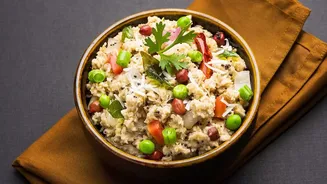
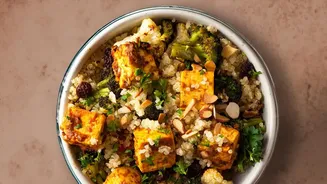
The findings are not a call to abandon vegetarianism, but to re-engineer the traditional thali for better metabolic health. The key is to reduce the dominance of refined grains and consciously increase protein and fibre. Start by reducing the portion of white rice or the number of rotis. Fill that space with a larger serving of dal, chickpeas, kidney beans, or a paneer-based dish. Incorporate a generous salad and non-starchy vegetables into every meal. Switching to whole grains is helpful, but the study cautions that simply replacing white rice with millets or whole wheat isn't enough if the total carbohydrate intake remains excessively high. The most effective strategy is to shift the balance of macronutrients on your plate, ensuring protein and vegetables take a more central role.