
A Tale of Two Components
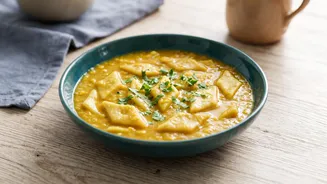
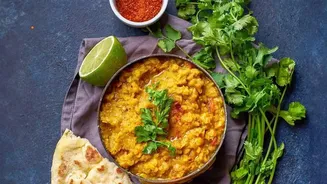
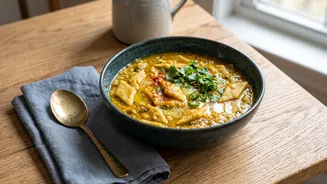
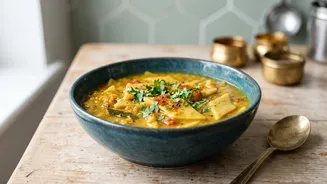
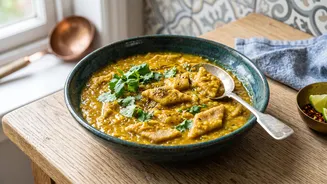
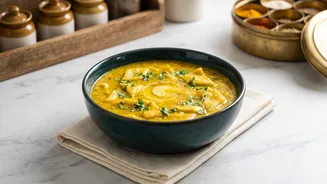
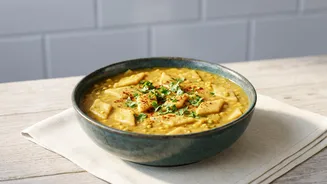
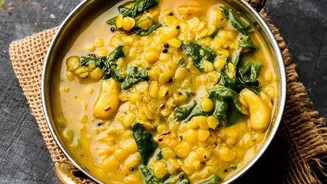
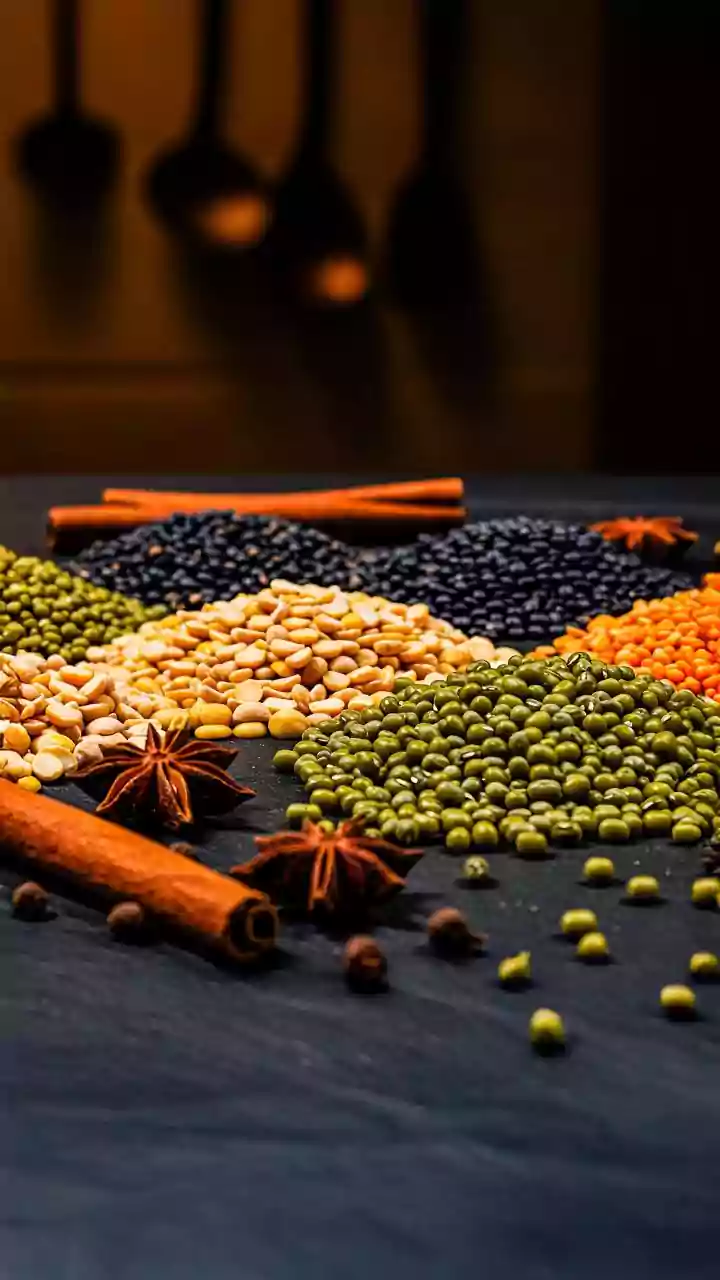
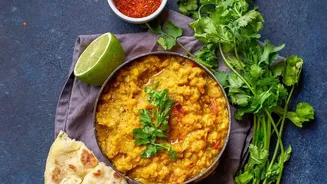
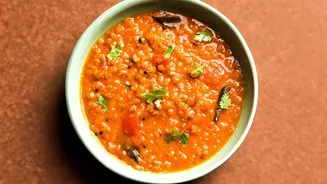
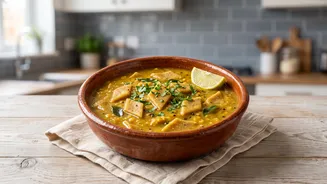
At its heart, Dal Dhokli is a simple yet ingenious concept: simmering pieces of spiced dough in a flavourful lentil soup until they are tender. The dish consists of two main stars. The first is the 'dal', a thin, aromatic stew typically made from toor
dal (split pigeon peas). This isn't just any dal; it's the classic Gujarati khatti meethi dal, celebrated for its delicate balance of sweet, sour, and spicy notes. The second component is the 'dhokli', which are essentially fresh, homemade pasta-like dumplings. A dough is prepared from whole wheat flour (atta), often with a touch of gram flour (besan) to keep it soft, and seasoned with spices like ajwain (carom seeds), turmeric, and red chilli powder. This dough is rolled thin and cut into diamond or square shapes before being dropped into the simmering dal to cook.
The Symphony of Gujarati Flavours
The magic of Gujarati Dal Dhokli lies in its signature taste profile. The dal achieves its characteristic sweet and sour flavour from the combination of jaggery (gur) and a souring agent like kokum or lemon juice. This is layered with a complex tempering, or 'vaghar', which often includes mustard seeds, cumin seeds, fenugreek seeds, cloves, cinnamon, curry leaves, and a pinch of asafoetida (hing). This fragrant spice blend infuses the lentils with a warmth and depth that is unmistakably Gujarati. As the dhokli dumplings cook, they absorb this beautiful broth, becoming soft, savoury, and utterly delicious, creating a texture that is both comforting and satisfying. Many recipes also include peanuts, which are often pressure-cooked along with the dal, adding a delightful nutty crunch to the final dish.
The Ultimate One-Pot Wonder
Dal Dhokli is celebrated not just for its taste but also for its practicality. It is a complete meal in itself, providing carbohydrates from the wheat dumplings and protein from the lentils, making it both nutritious and filling. Traditionally, it was a clever way to use leftover dal, transforming it into a new and exciting meal the next day, often on a lazy Sunday. This one-pot nature means less time spent on cooking and cleaning, which has cemented its status as a go-to comfort food for busy households and a perfect, heartwarming meal for rainy days or cool evenings. It’s a dish that brings the entire family to the table, requiring no side dishes, though a dollop of ghee on top is highly recommended.
Variations Across Regions and Homes
While the Gujarati version is famous for its sweet and tangy character, it’s not the only way to enjoy this dish. A popular variation comes from neighbouring Rajasthan, where the dal is typically spicier and thicker, and the dhokli might be shaped into small balls instead of flat diamonds. Even within Gujarat, recipes vary from one family to another. Some add vegetables like green beans or peas, while others incorporate fenugreek leaves (methi) into the dhokli dough for added flavour. There is also a similar Maharashtrian dish known as 'Varan Phal' or 'Chakolya', which uses a regional spice blend called goda masala. This adaptability is a testament to the dish's widespread appeal across Western India.