



A Sweet Menu in Orbit
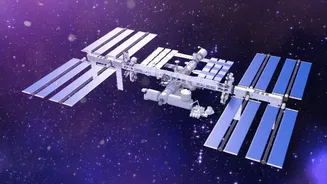
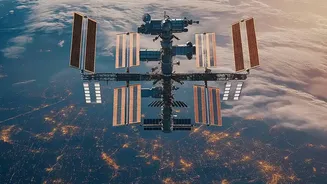
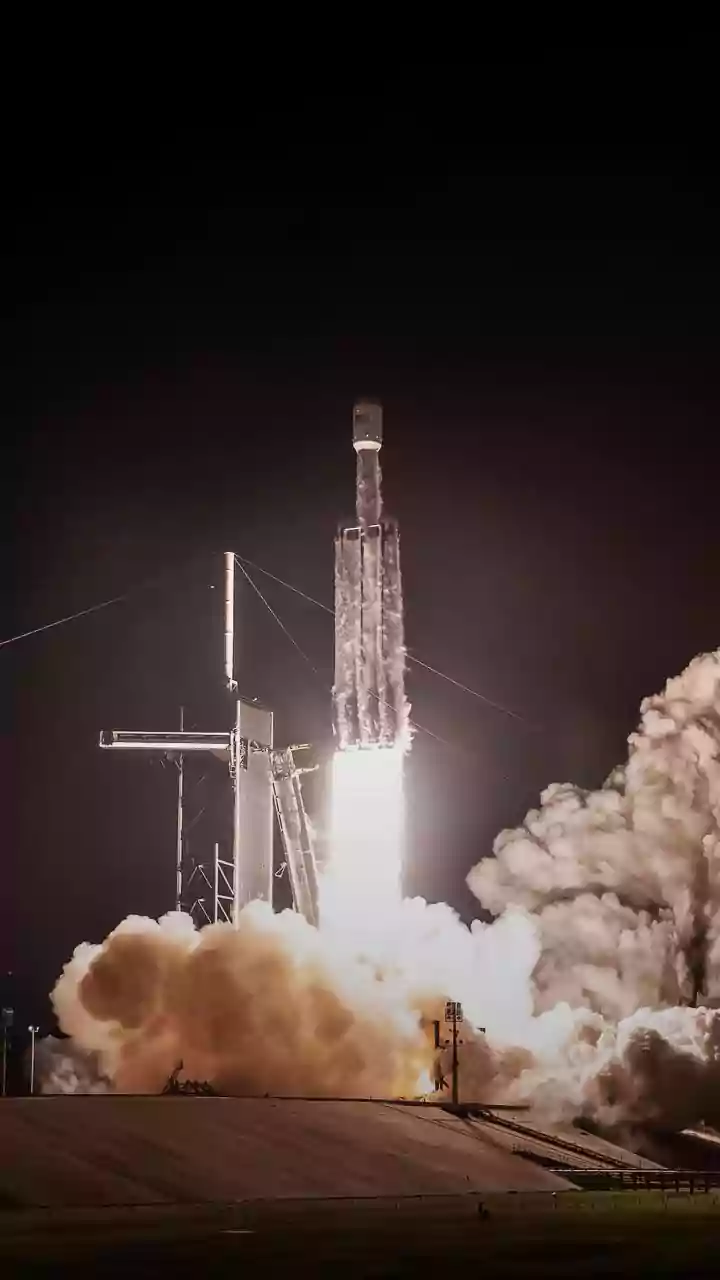
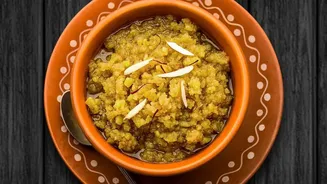
During his historic Axiom-4 mission in 2025, Group Captain Shubhanshu Shukla became the first Indian national to visit the International Space Station, and he didn't go empty-handed. A special menu of Indian foods was prepared to accompany him, but out
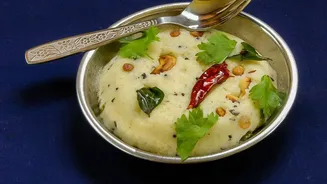
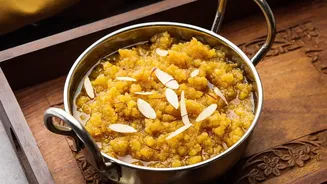
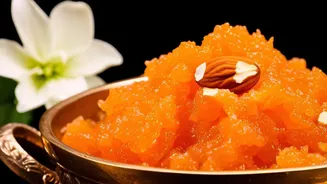
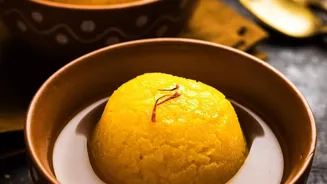
of a long list of contenders, only three dishes received the final certification for spaceflight. Interestingly, all three were desserts: Gajar Ka Halwa, Moong Dal Ka Halwa, and Aamras (mango nectar). These familiar sweets were developed by the Defence Food Research Laboratory (DFRL), a wing of the Defence Research and Development Organisation (DRDO) tasked with creating a menu for India's ambitious space missions. The goal was to provide a comforting taste of home, a crucial factor for astronaut morale on long journeys far from Earth. While the selection of these beloved desserts was celebrated, it also raised questions about the many savoury dishes that were left behind.
The Gauntlet of Space Qualification
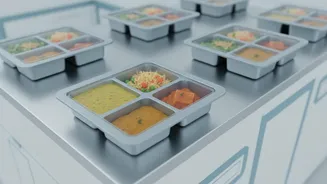
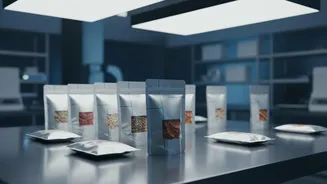
Sending food to space is far more complicated than packing a lunchbox. Every item must pass a series of grueling tests to ensure it is safe, nutritious, and practical for a zero-gravity environment. Space food must have a long shelf life without refrigeration, be lightweight to minimize launch costs, and retain its nutritional value. The most critical factor, however, is its physical behaviour in microgravity. Foods that crumble or release small particles are a serious hazard; floating crumbs could be inhaled by astronauts or clog sensitive electronic equipment and air filters. This is why space food is often freeze-dried and consumed after rehydration in special packages. Texture and moisture content are meticulously controlled. The entire process is designed to ensure that a meal is not only edible but also safe for the crew and the spacecraft itself, a standard that very few earthly recipes can meet without modification.
So, Why Not Khichdi?
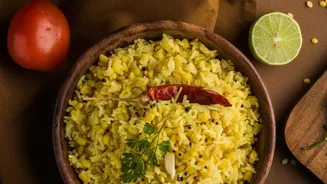
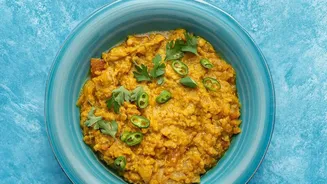
The original menu proposed by DFRL was extensive, including comfort food staples like Khichdi, Pulao, and various vegetable dishes that would have offered a more complete Indian dining experience. Their absence from the final approved list was a point of curiosity. In a recent podcast interview, astronaut Shubhanshu Shukla himself shed light on the matter. He explained that the disqualification wasn't due to a specific flaw in Khichdi or any other single dish. Instead, the primary culprit was time. The laboratory simply ran out of time to complete the lengthy and complex battery of tests required for certification before the Axiom-4 mission's launch deadline. "There may have been some additional tests that they would have wanted to do, but they might not have enough time to do those tests," Shukla clarified, noting that this was why only three items could ultimately be qualified.
A Taste of Culture Among the Stars
Food in space has always been a powerful form of cultural expression. On the same Axiom-4 mission, Shukla's international crewmates also brought flavours from their home countries. The Polish astronaut had pierogis and tomato soup, while the Hungarian astronaut carried spicy paprika pastes and a specially formulated 'space chocolate'. This tradition dates back decades, with astronauts sharing national dishes to foster camaraderie and maintain a connection to their heritage. For India, getting its food certified for space is not just a matter of sustenance; it's a demonstration of the country's scientific capabilities and a projection of its rich cultural identity onto a global—and now, interplanetary—stage. The partial success with the Axiom-4 menu is a stepping stone for DFRL and ISRO, providing invaluable data and experience.