


More Than Just a 'Velcro Dog'
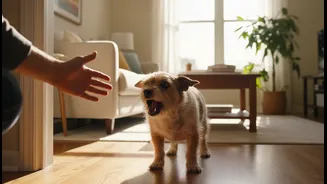
We often affectionately label dogs that stick to our side as 'Velcro dogs'. This behavior is common in many breeds and is often a sign of a strong bond. However, a sudden and noticeable increase in clinginess, especially in a dog that was previously more
independent, warrants closer attention. While separation anxiety is a common cause for such behavior, it's crucial to first rule out a physical cause. Dogs are masters at hiding pain, a survival instinct inherited from their ancestors who knew that showing weakness could make them a target. Because they can't tell us what hurts, they communicate through subtle shifts in their behavior, and becoming your shadow can be one of those signals.
Why Pain Can Lead to Clinginess
When a dog is in pain or feels unwell, they feel vulnerable. In this state, they often seek comfort, security, and protection from the person they trust most: you. This isn't just about seeking cuddles; it's a social signal for support. Your presence is reassuring, and staying close might be their way of ensuring they are safe while they are not at their best. This is different from typical separation anxiety, which is often triggered by the owner's departure cues and manifests when the dog is left alone. Pain-related clinginess, on the other hand, happens even when you are present, as the dog tries to cope with their internal discomfort. A dog in pain has a lower threshold for stress, so a situation they could previously handle might now feel overwhelming.
Other Subtle Signs to Watch For
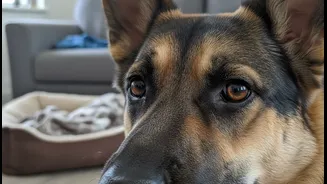
Clinginess is rarely the only sign of discomfort. Observing your dog for other subtle changes can provide a more complete picture. Look for things like restlessness or an inability to get comfortable, such as repeatedly getting up and lying down. Your dog might seem to have less energy or show reluctance to go on walks, climb stairs, or jump onto furniture. Other indicators include excessive licking of a specific area, changes in appetite or drinking habits, and altered sleeping patterns. Sometimes, signs can be as subtle as a change in facial expression, like a grimace or a vacant stare, or physical cues like a hunched posture.
Common Hidden Ailments
A wide range of medical issues can cause pain and lead to behavioral changes like clinginess. Some of the most common culprits are chronic conditions that develop slowly. Arthritis, for instance, is a frequent source of pain in older dogs. Dental disease is another major, yet often missed, cause of significant discomfort that can affect how a dog eats and behaves. Gastrointestinal issues, from food sensitivities to more serious conditions like pancreatitis, can cause abdominal pain that leads to restlessness and a need for comfort. Other possibilities include urinary tract infections, back injuries, or even neurological conditions like Canine Cognitive Dysfunction in senior dogs, which can cause confusion and anxiety.
What to Do If You're Concerned
If your dog's new clinginess is accompanied by any other behavioral or physical symptoms, the first and most important step is to consult your veterinarian. Before your appointment, it can be helpful to take notes or even short videos of the concerning behaviors. When did the clinginess start? Does it happen at specific times of day? What other changes have you noticed? This information will help your vet pinpoint the potential cause. It is vital not to give your dog any human pain medications, as many are toxic to them. A thorough veterinary examination is the only way to rule out or diagnose a medical condition and get your pet the appropriate treatment they need to feel comfortable again.