

The Hidden Salt Trap
Packaged and processed foods are often loaded with sodium, which acts as a preservative and flavour enhancer. The World Health Organization recommends that adults consume less than 5 grams of salt (about 2,000 mg of sodium) per day. However, the average
daily salt intake in India is estimated to be around 8 to 11 grams, nearly double the recommended limit. A single serving of a popular instant noodle brand can contain over 1,400 mg of sodium, which is a huge portion of the daily allowance. These extras, from chips and biscuits to pickles and sauces, can quickly add up, turning a seemingly healthy lunch into a high-sodium meal without you even realising it.
Why Too Much Salt Matters
A diet high in sodium is a significant public health concern in India and globally. It is a leading risk factor for high blood pressure (hypertension), which in turn greatly increases the risk of heart disease, stroke, and kidney problems. For children, the risks are just as serious. Studies show that kids with high-sodium diets are more likely to have elevated blood pressure, which can set the stage for chronic diseases in adulthood. High salt intake can also be associated with other issues like obesity, as salty foods can trigger thirst for sugary drinks. Reducing sodium is not about making food bland; it's a crucial step towards long-term health for the whole family.
Decoding Nutrition Labels
Understanding food labels is your best defence. When you check the Nutrition Facts panel, look for 'Sodium' and its amount in milligrams (mg). Pay close attention to the 'serving size' listed at the top. Often, a package contains multiple servings, and the sodium listed is only for one. If you eat the whole pack, you need to multiply the sodium content accordingly. A helpful rule of thumb is the 5/20 rule: if the % Daily Value (%DV) for sodium is 5% or less, it's considered low. If it's 20% or more, it's high. Also, look out for other names for sodium in the ingredients list, like monosodium glutamate (MSG).
The Usual Salty Suspects
Many common lunchbox fillers are surprisingly high in salt. A single piece of fried papad can have over 300 mg of sodium, while a tablespoon of mango pickle can add another 350 mg or more. Other culprits include namkeen mixtures like bhujia and sev, which can pack over 450 mg of sodium in a small 50g serving. Even seemingly harmless items like sweet biscuits, bread, and tomato ketchup contain significant amounts of hidden salt. Being aware of these high-sodium items is the first step toward making healthier choices.
Smart and Simple Swaps
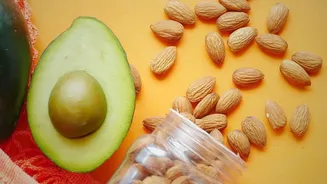
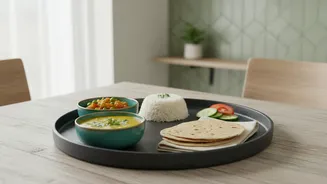
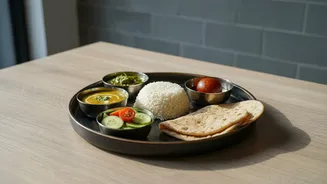
The goal is to replace high-sodium items with fresh, flavourful alternatives. Instead of a packet of chips, pack roasted makhana (fox nuts), unsalted nuts, or roasted chickpeas. Swap salty biscuits for a piece of fresh fruit, vegetable sticks (like cucumber or carrot) with a homemade yogurt dip, or a whole-wheat flatbread. Instead of store-bought sauces and pickles, try a sprinkle of herbs or a squeeze of lemon for flavour. Packing a small container of mixed salad greens, chopped tomatoes, and cucumber is another great way to add freshness and nutrients without the salt.
Flavour Without the Salt
Reducing salt doesn't mean you have to sacrifice taste. Indian cuisine is rich with spices and herbs that can create delicious flavours naturally. Experiment with adding cumin, coriander, turmeric, black pepper, ginger, and garlic to your homemade lunch items. A squeeze of lime or lemon juice can brighten up flavours instantly. Fresh herbs like coriander and mint can add a burst of freshness to salads, sandwiches, and yogurt dips. By focusing on these natural flavour enhancers, you can create satisfying and exciting lunches that are both delicious and good for you.