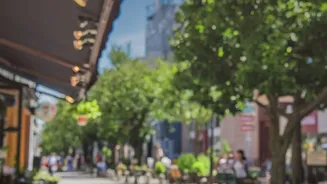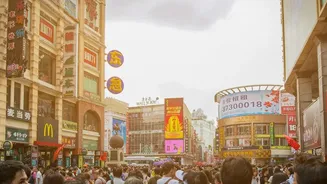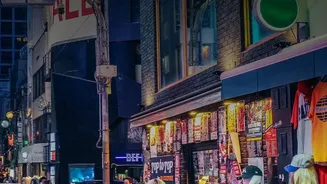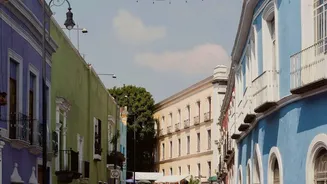




Cities worldwide are rethinking their relationship with the car, aiming to create safer, cleaner, and more vibrant public spaces. This movement has given rise to two key approaches: making streets car-free or making them pedestrian-priority.
The Car-Free Revolution
A car-free
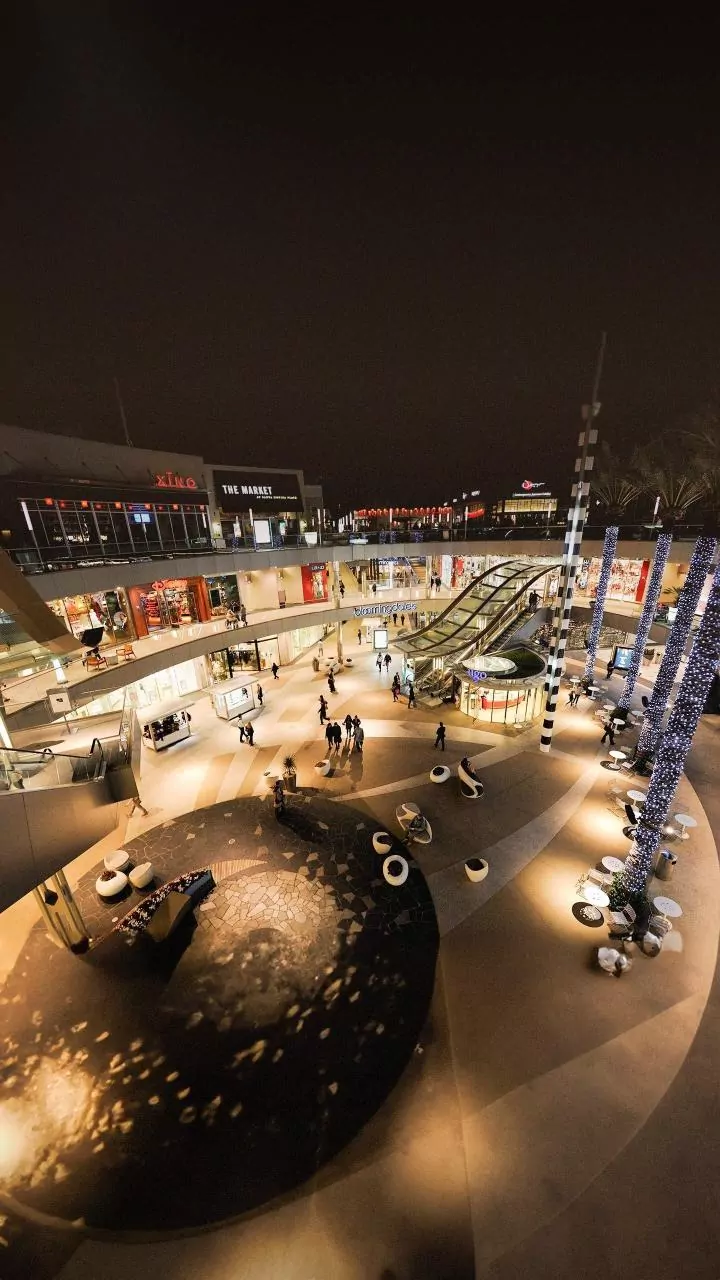
zone is exactly what it sounds like: an area where motor vehicles are almost entirely prohibited. These zones are exclusively for people on foot, cyclists, and other forms of human-powered transport. The goal is complete separation, creating a sanctuary from traffic, noise, and pollution. Access is typically limited to emergency services and sometimes delivery vehicles during strict, off-peak hours. This approach represents a total transformation, turning a street from a traffic corridor into a destination in its own right for shopping, socialising, and leisure. The benefits are clear and often immediate, including significant drops in air and noise pollution and a boost for local businesses as foot traffic increases.
Example: The Pure Pedestrian Paradise
Copenhagen’s Strøget is one of the most famous and earliest examples of a successful car-free shopping street. Established in 1962, it is a network of streets stretching over a kilometre through the city's historic core. By removing cars, the city created a thriving commercial and social spine that is now a major attraction. A more radical example is Pontevedra, Spain. Since 1999, this city has systematically eliminated all non-essential car traffic from its 300,000-square-metre city centre. The results have been transformative: CO2 emissions have fallen by over 70%, thousands of new residents have moved in, and there have been zero traffic-related fatalities in the city centre since 2011. Pontevedra proves that prioritising people can revitalise an entire urban area.
The Pedestrian-Priority Philosophy
Pedestrian-priority streets take a different philosophical approach. Instead of banning cars completely, they aim to tame them. Also known as 'shared streets' or, from the Dutch concept, 'woonerf' (literally 'living yard'), these designs integrate pedestrians, cyclists, and slow-moving vehicles in the same space. They achieve this through clever design rather than rules alone. Features often include removing kerbs to create a single, level surface, adding planters and street furniture to create obstacles, and using different paving materials to signal that drivers are guests in a pedestrian's world. The intended result is that drivers are forced to slow down dramatically, typically to walking pace, and make eye contact to negotiate their way through the space cooperatively.
Example: Taming The Traffic
The 'woonerf' concept, developed in the Netherlands in the 1960s, is the blueprint for shared streets worldwide. These residential streets use design to make the entire space a social area where children can play and neighbours can interact, with cars moving at extremely low speeds. A highprofile example in a bustling urban core is Exhibition Road in London. Home to major museums, the street was redesigned as a 'shared space' in 2012. It features a single surface with no traditional kerbs and a distinctive pattern that encourages drivers and pedestrians to be aware of each other. While still allowing for necessary vehicle access, the design prioritises the millions of pedestrians who visit the area's cultural institutions each year, creating a calmer and more pleasant environment.
Exclusion vs. Integration
The core difference lies in their philosophy : car - free is about exclusion , while pedestrian - priority is about integration . Car - free zones create a protected bubble where people are completely safe from vehicles , offering the highest level of comfort , safety , and environmental benefits . This approach can be ideal for historic centres and major commercial streets where foot traffic is already high . However , it can face resistance over concerns about access for residents and businesses . Pedestrian - priority streets offer a compromise . They maintain vehicle access for those who truly need it but fundamentally change the power dynamic . This model requires a significant cultural shift , asking drivers to behave with a level of caution and awareness that is uncommon on conventional roads . It’s a solution that can be applied more flexibly across different types of streets , from residential lanes to commercial areas .