


A Sudden, Shocking Decline
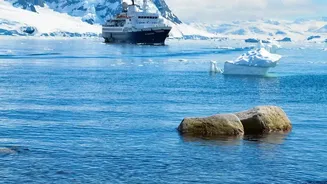
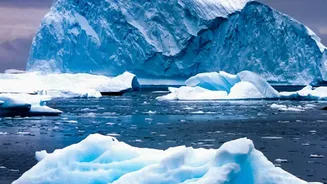
For a long time, the vast sheet of frozen ocean water that encircles Antarctica every winter behaved differently from its Arctic counterpart. While the Arctic melted at an alarming rate, Antarctic sea ice held its own. That changed dramatically around
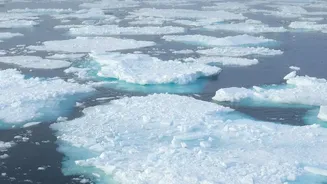
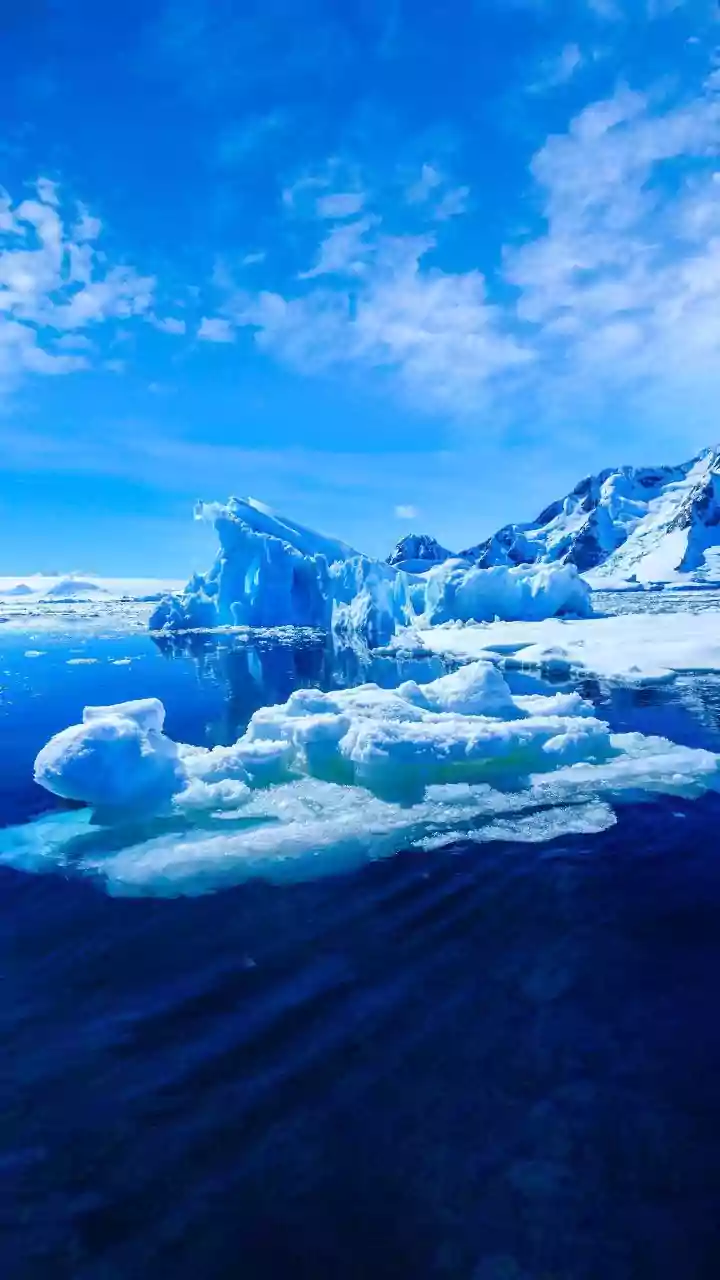
2016. Since then, the ice has been in a steep decline, with recent years setting astonishing records for the lowest ice extent ever observed. In September 2026, the winter maximum was the third-lowest on record, marking the fourth consecutive year of historically low peaks. This isn't just a minor fluctuation; scientists describe it as a fundamental shift in the Antarctic climate system, one that has them racing to understand the complex forces at play.
The El Niño Connection
One of the key suspects in the recent ice loss is El Niño, the powerful climate pattern that originates in the tropical Pacific. El Niño events send atmospheric waves rippling across the globe, and their energy reaches all the way to Antarctica. This changes the air pressure over the Amundsen Sea off West Antarctica, which in turn alters wind patterns. During an El Niño, these winds tend to drive warmer, moister air towards the continent. More importantly, they also influence ocean circulation, promoting the upwelling of relatively warm deep water from beneath the ice shelves. This process melts the ice from below, which is a more significant factor in overall mass loss than any extra snowfall El Niño might bring.
An Ocean Running a Fever
While El Niño provides a short-term jolt, a more menacing long-term culprit is the steady warming of the Southern Ocean. The ocean has absorbed over 90% of the excess heat from human-caused climate change, and the Southern Ocean has taken up a massive share of that heat. For years, a protective layer of cold, fresh surface water helped shield the sea ice from the warmer, saltier deep water below. However, that protective layer has thinned, allowing the deep ocean heat to reach the surface and melt ice from the bottom up. This warming is not just at the surface; it extends thousands of metres deep and is a primary driver of the melting of the massive ice shelves that buttress Antarctica's land-based glaciers.
A Perfect Storm of Factors
The record-low sea ice isn't caused by a single factor but rather a cascade of interacting events. Scientists believe the long-term warming of the Southern Ocean created a vulnerable system. Then, stronger winds—intensified by climate change and the ozone hole—began stirring the ocean, bringing that stored heat to the surface. Short-term patterns like El Niño can then act as an accelerant, exacerbating the melt in specific regions like the Amundsen Sea. This combination—a pre-warmed ocean, changing winds, and natural climate cycles—has created a feedback loop. Less ice means more dark ocean is exposed, which absorbs more sunlight, further warming the water and making it even harder for ice to form the following year.