


What Makes Steel-Cut Oats Different?
While they come from the same plant, not all oats are created equal. The difference lies in the processing. Instant oats are pre-cooked, dried, and rolled thin for quick cooking. Rolled oats are steamed and flattened. Steel-cut oats, however, are the least
processed of the three. They are made by chopping the whole oat groat into a few pieces with steel blades. This minimal processing leaves more of the grain intact, resulting in a chewier texture and a nuttier flavour. It also means they take longer to cook, but the nutritional payoff is worth the wait. While the calorie, protein, and carbohydrate counts are very similar across rolled and steel-cut varieties, steel-cut oats have a slight edge when it comes to fibre content and how your body processes them.
The Power of Soluble Fibre
The star component of steel-cut oats is their high fibre content, specifically a type of soluble fibre called beta-glucan. Unlike insoluble fibre, which adds bulk to stool and helps food pass more quickly through the digestive system, soluble fibre dissolves in water to form a thick, gel-like substance in your gut. This gel has several profound effects. Firstly, it slows down digestion. This helps you feel fuller for longer, which can aid in weight management and reduce mid-morning cravings for unhealthy snacks. Secondly, this slow-and-steady digestion process is key for managing blood sugar. The gradual release of energy prevents the sharp spikes and subsequent crashes in blood glucose that can come from more refined, low-fibre breakfast options.
A Boost for Heart Health and Digestion
The benefits of beta-glucan extend directly to heart health, a topic of growing importance across India. Health authorities like the FDA have recognized that the soluble fibre from oats can help reduce the risk of heart disease. The gel-like substance formed by beta-glucan can bind to cholesterol in the digestive system, helping to remove it from the body and lower levels of LDL, or "bad," cholesterol. For many Indian adults who may not be meeting the recommended daily fibre intake of 25-30 grams, incorporating steel-cut oats can be a significant step in the right direction. A high-fibre diet is crucial not just for heart health and blood sugar control, but also for maintaining a healthy gut microbiome and preventing common issues like constipation.
Cooking the Perfect Bowl
The main drawback of steel-cut oats is their longer cooking time, which can be a barrier on busy mornings. But with a little planning, it’s easy to manage. One of the most popular methods is the overnight approach: simply bring one cup of oats and four cups of water to a boil, let it cook for a minute, then turn off the heat, cover the pot, and let it sit overnight. In the morning, a few minutes of reheating is all you need. A pressure cooker, a staple in many Indian kitchens, dramatically cuts down the cooking time. You can pressure cook the oats for about 10 minutes for a creamy, ready-to-eat breakfast. These methods are perfect for meal prepping a large batch to enjoy throughout the week.
Beyond Sweet: Savoury Oats for the Indian Palate
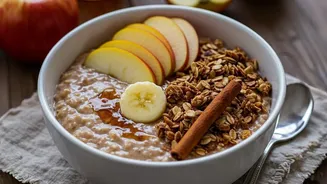
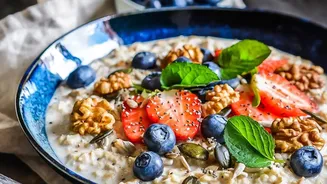
While oatmeal is often associated with sweet toppings like fruit and honey, steel-cut oats provide a fantastic canvas for savoury flavours. Think of it as a healthier substitute for other grains in classic Indian breakfast dishes. You can prepare a delicious masala oats by tempering spices like cumin seeds, turmeric, and hing in a little ghee or oil, sautéing onions and vegetables like peas and carrots, and then pressure cooking them with the oats. This creates a hearty, upma-style dish that is both comforting and incredibly nutritious. Garnish with fresh coriander, a squeeze of lemon juice, and even a dollop of yoghurt for a complete and balanced meal that will keep you energised until lunch.