





A New Division of Labor
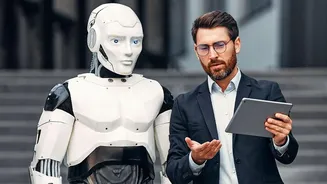
For years, the debate around AI and employment has centered on which jobs will be replaced. But a different picture is emerging: one of partnership, not just replacement. As AI systems proficiently handle the execution of tasks—the 'how'—the human role
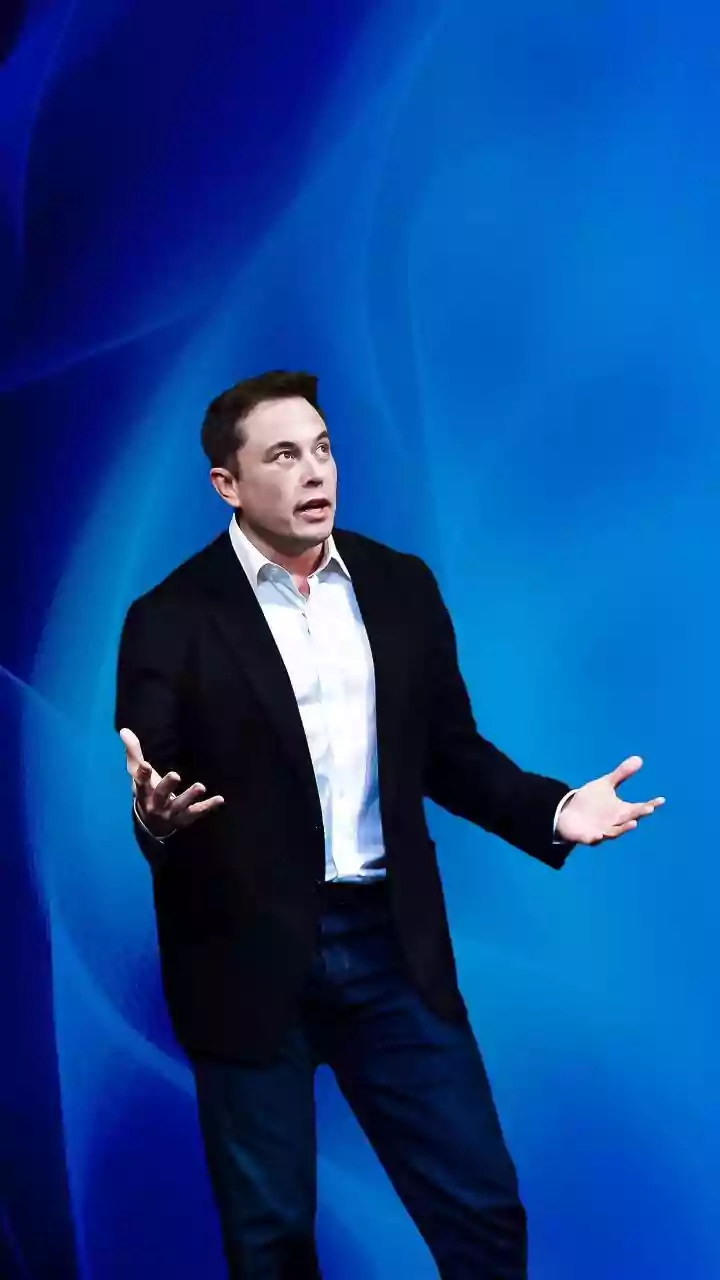
is evolving to focus on strategy, judgment, and purpose—the 'what' and 'why'. Musk believes the human advantage is moving further upstream, towards curiosity, problem-solving, and formulating the right inquiries in the first place. Think of AI as an incredibly capable intern who can perform almost any task you assign. The value shifts from the person doing the work to the person who knows what assignment to create.
What Makes a 'Better' Question?
A 'better' question in the age of AI is one that machines cannot easily formulate on their own. It requires context, ethical consideration, and an understanding of human needs. For example, an AI can be tasked with designing a more efficient delivery system. A human, however, asks if that system will impact community well-being or local businesses. This is where broad knowledge becomes a superpower. Someone trained only in technology might know how to build an impressive AI model, but a person who also understands history, philosophy, and art might ask whether that model is beneficial for humanity. These distinctly human capabilities—imagination, creativity, and empathy—are what allow us to guide technology toward meaningful goals.
The Rise of High-Level Prompting
Musk connects this ability to a sophisticated form of 'prompt engineering'. This isn't just about typing a query into a chatbot. It's about communicating complex, nuanced desires to highly capable AI systems and robots. In an interview, he explained that to know what to ask of a robot, one needs to be able to formulate the question effectively. He argues that broad general knowledge is the key to doing this well. In a future where you could hypothetically ask a team of robots to build you a castle, the request requires more than a simple command; it involves communicating architectural style, aesthetic preferences, and functional purpose—all elements that draw from a deep well of cultural and personal context.
Rethinking Education for an AI Future
This vision has direct implications for education. Musk advises young people to pursue a broad-based education that spans the arts, sciences, and engineering rather than specializing too early. The goal is no longer just to collect a specific set of job-ready skills, but to build a versatile mental toolkit. This educational philosophy counters a decade-long push toward hyper-specialization. The argument is that while specialized skills remain important, they are more susceptible to being replicated by AI. A broader foundation, however, fosters adaptability and the ability to connect ideas across different domains—a skill that is much harder to automate.