




A Tale of Two Roots
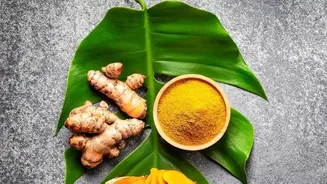
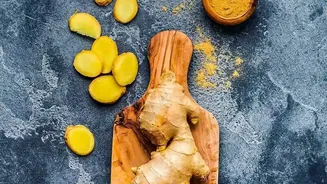
For centuries, turmeric and ginger have been staples in traditional Indian and Chinese medicine and cuisine. Both are rhizomes from the same plant family, prized for their distinctive flavours and perceived health properties. Ginger, with its active compound
gingerol, has long been used to soothe digestive issues like nausea. Turmeric, powered by its famous compound curcumin, is widely touted for its anti-inflammatory effects and has been used to address everything from pain to skin conditions. Their move from the spice rack to the supplement aisle seems like a natural progression, but it’s a jump that changes the entire equation.
The Gentle Benefits of Food
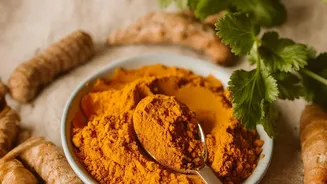
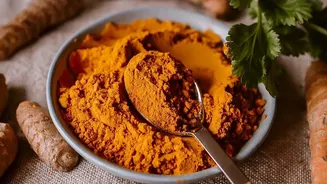
When you sprinkle turmeric into a curry or grate fresh ginger into tea, you are consuming these spices as whole foods. The active compounds, curcumin and gingerol, are present in relatively small, naturally occurring amounts. Turmeric powder, for instance, contains only about 2-5% curcumin. Consuming them as part of a meal has built-in safety checks. Traditional cooking methods often pair turmeric with fats like coconut milk or ghee, which can help with the absorption of fat-soluble curcumin. Enjoying them this way provides gentle antioxidant and anti-inflammatory support as part of a balanced diet, which is where most experts agree their primary, safest benefits lie.
The Supplement Story: A Risky Concentration
The picture changes dramatically with high-dose supplements. These products are not the same as the kitchen spice; they are highly concentrated extracts designed to deliver a pharmacological dose. A single supplement capsule can contain more curcumin than you would consume in weeks of eating turmeric-spiced food. To overcome the body's naturally poor absorption of curcumin, many supplements are enhanced with agents like piperine (from black pepper), which can increase bioavailability by up to 2000%. While that sounds good, this intense concentration, combined with enhanced absorption, bypasses the body's natural metabolic processes and introduces a higher risk of adverse effects. Research suggests that these highly bioavailable formulas are the ones most often linked to potential harm.
Hidden Dangers of High Doses
While generally safe in food amounts, high-dose turmeric and ginger supplements come with significant warnings. There are growing reports of turmeric-induced liver injury, particularly with enhanced-bioavailability supplements. Symptoms can include abdominal pain, nausea, and jaundice. Both spices also have blood-thinning properties, which can create a serious risk for anyone taking anticoagulant medications like warfarin, or even common NSAIDs like aspirin and ibuprofen. This can increase the chances of bruising and bleeding, especially if taken before surgery. High doses of ginger can also cause digestive distress, such as heartburn, bloating, and diarrhea—the very issues it is often taken to solve. Furthermore, supplements are not strictly regulated, meaning the label may not accurately reflect the contents, and some products have been found to contain harmful ingredients like lead.
Embrace the Flavor, Not the Pill
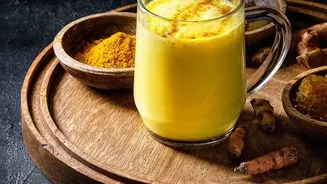
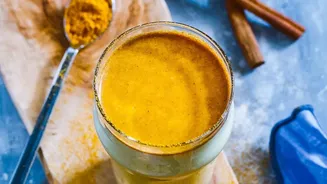
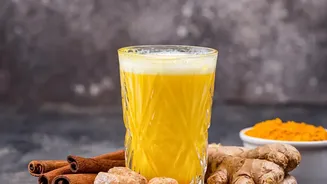
The safest and most enjoyable way to reap the benefits of turmeric and ginger is to incorporate them into your daily meals. This food-first approach delivers flavour and gentle wellness without the risks of concentrated supplements. Start your day with a ginger tea to aid digestion. Add a teaspoon of turmeric to rice or quinoa as it cooks for a vibrant colour and earthy flavour. Create marinades for chicken or fish using fresh grated ginger, turmeric, garlic, and yogurt. Blend them into smoothies or warming soups. A classic "golden milk" latte, made by warming milk with turmeric, a pinch of black pepper, and a touch of ginger, is another delicious way to enjoy these spices as they have been for generations. By treating them as the flavourful foods they are, you get the benefits without the gamble.