


A Universe in a Jar
For anyone who grew up in a South Indian household, the sight of small, stacked jars filled with coarse, colourful powders is a familiar one. This is the world of podi. The word itself simply means ‘powder’ in several South Indian languages, but it represents
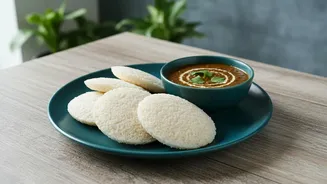
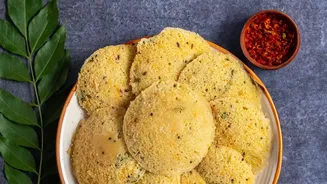
an entire ecosystem of flavour. It is not one single spice blend but a category of dry-roasted and ground mixtures of lentils, chillies, herbs, and spices. The most famous is milagai podi (chilli powder), often called 'gunpowder' for its explosive flavour, designed to be mixed with sesame oil or ghee and served with idlis and dosas. But beyond this icon lies a vast diversity. There is paruppu podi, a comforting and milder blend of roasted lentils often given to children with rice. Then there’s karuveppilai podi, a dark, fragrant powder made from curry leaves, celebrated for its distinct herbal notes. Each family, and each region, has its own signature recipes passed down through generations, a testament to culinary ingenuity.
The Original Comfort Food
Long before it was a trend, podi was a solution. Referenced in ancient Sangam literature, these powders were a stroke of genius in an era before refrigeration. Dry-roasting gave them a long shelf life, making them the perfect travel companion and a reliable kitchen ally. On days when time was short or fresh ingredients were scarce, a simple meal of rice and podi was a quick, nutritious, and deeply satisfying option. It connects the farmer eating it with millet rotis to the IT professional in a city having a hurried dinner. More than just a condiment, it’s a form of care—a taste of home packed in jars and sent to children in faraway hostels, a silent expression of familial love. For many, podi is an emotion, a flavour bomb that adds crunch, protein, and a layer of complex, roasted depth to the simplest of meals.
The Podi Glow-Up
In recent years, podi has stepped out of the South Indian kitchen and onto the global stage. It’s a star ingredient in the world of fusion cuisine, embraced by chefs and food influencers for its unique texture and flavour profile. You can now find ‘gunpowder’ sprinkled on avocado toast in trendy cafés, dusting french fries, and even stirred into pasta sauces and hummus. Modern iterations have also joined the family, like flaxseed podi, which caters to a health-conscious audience while retaining the traditional form. This newfound popularity is a testament to podi’s incredible versatility. The creativity is undeniable, showcasing how this humble powder can adapt and find a home in completely new culinary contexts, far from its origins with rice and dosa.
Lost in Translation?
While this global recognition is exciting, it also raises a question: does something get lost in translation? When podi is simply treated as an 'exotic' sprinkle, its rich context is often stripped away. It's not just another seasoning salt or chilli crisp. Each podi was crafted with a purpose, its ingredients balanced to complement specific dishes. The nutty warmth of paruppu podi is designed for rice and ghee, a pairing that allows its subtle flavours to shine. The fiery kick of milagai podi is made to cut through the fermented tang of an idli. When sprinkled indiscriminately on fries or pasta, it can become just a generic 'spicy' flavour, its regional identity and culinary logic erased. It risks becoming a caricature of itself—the 'gunpowder' nickname taking precedence over its history as a diverse and nuanced staple.
A Place for Both on the Table
The argument isn't that podi should be gatekept or that fusion food is inherently bad. Innovation is the lifeblood of cuisine. However, the rise of podi-dusted avocado toast should not lead to the forgetting of podi-mixed hot rice. The new uses should exist alongside, not in place of, its traditional role. The key is respect for context. Understanding that podi is more than just a trend allows us to appreciate it on a deeper level. It’s about celebrating its journey from being a practical solution in ancient kitchens to a flavour bomb in modern ones. By all means, enjoy your podi fries. But also take a moment to savour it the way generations have: simply mixed with rice and a spoonful of ghee, a timeless comfort that needs no reinvention.