





The Seasonal Shift Has Begun
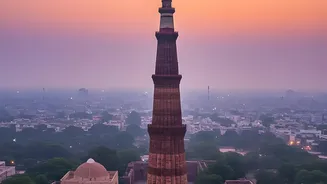
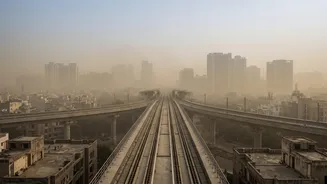
After a brief respite during the monsoon, when rains washed pollutants from the air, Delhi's air quality has started its predictable downward spiral. In the first week of October 2026, the average Air Quality Index (AQI) has already settled in the 'moderate'
category, marking the most polluted start to the month in three years. On some days, the AQI has even touched the 'poor' category in several parts of the city, a clear signal that the seasonal atmospheric changes that trap pollution have commenced. This annual deterioration is not just about new pollutants being added, but about the atmosphere losing its ability to disperse them.
What is 'Natural Atmospheric Cleaning'?
Throughout the year, the atmosphere has a built-in cleaning service. This self-purification process relies on two main mechanisms: chemical reactions and physical dispersal. During summer, strong solar radiation and high temperatures create highly reactive molecules like the hydroxyl radical (OH), often called the 'detergent of the atmosphere'. These molecules oxidize pollutants, breaking them down into less harmful substances that can be washed away by rain. Simultaneously, warm weather causes air near the ground to rise, carrying pollutants upwards and allowing strong winds to scatter them over a wider area. This vertical and horizontal movement is crucial for keeping the air we breathe relatively clean.
Why This Cleaning Process Is Weakening Now
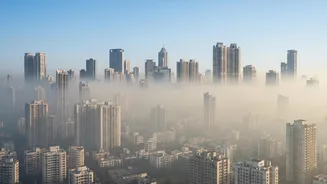
As autumn sets in and winter approaches, these natural cleaning mechanisms begin to fail. The primary culprit is a phenomenon called 'temperature inversion'. As the ground cools rapidly at night, the air closest to the surface becomes colder and denser than the air layer above it. This warmer upper layer acts like a lid, trapping the cold, heavy air—and all the pollutants within it—close to the ground. The mixing height, or the altitude to which pollutants can disperse, shrinks dramatically from about one kilometre in the summer to just a few hundred meters. Compounding this, wind speeds drop significantly after the monsoon, preventing the horizontal dispersal of pollutants. With nowhere to go, emissions from vehicles, industry, and other sources accumulate day after day in this stagnant, shallow layer of air.
The Perfect Storm: Stubble Burning Begins
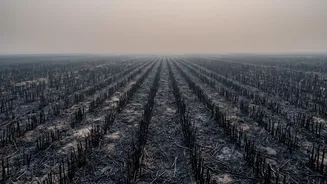
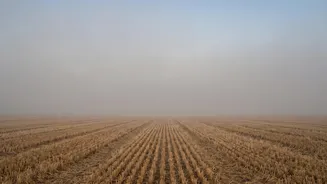
This meteorological trap coincides perfectly with the start of the crop residue burning season in the neighbouring states of Punjab and Haryana. Farmers, in a rush to clear their fields for the next crop, set fire to paddy stubble, releasing enormous plumes of smoke and particulate matter. Prevailing northwesterly winds carry this smoke directly towards the landlocked Delhi-NCR region. Once it arrives, the smoke gets caught under the inversion lid, significantly amplifying the pollution load. While local sources like traffic and industry are consistent contributors, this seasonal influx from farm fires is what often pushes the AQI from 'poor' to 'severe' levels.
What to Expect in the Coming Weeks
Forecasts predict that the air quality will likely remain in the 'moderate' to 'poor' categories in the immediate future, with a steady decline expected as temperatures continue to drop and stubble burning incidents intensify. The period from late October to December is typically the worst, as cooler temperatures solidify the inversion layer and festival-related fireworks add to the toxic mix. This prolonged exposure to high levels of PM2.5 and other pollutants poses serious health risks, particularly for children, the elderly, and individuals with respiratory or cardiovascular conditions. Short-term effects include coughing, throat irritation, and breathing discomfort, while long-term exposure can lead to more severe chronic diseases.