




Philosophy: Consumption vs. Conservation
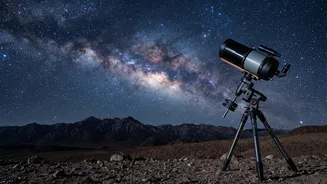
The fundamental difference lies in the core purpose. A regular night tour is typically a transactional experience designed for consumption: you pay to be taken to a darkish spot, look at some celestial objects, and leave. The primary goal is entertainment,
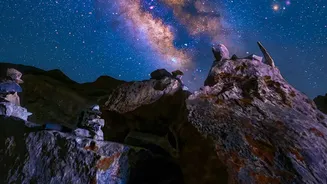
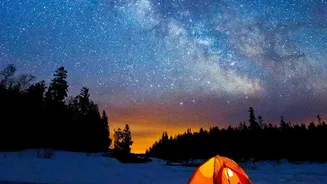
often focused on pointing out major constellations or planets. A responsible dark-sky holiday, however, is built on a foundation of conservation and stewardship. It’s not just about viewing the stars but actively protecting the darkness that makes them visible. These experiences are often found in certified Dark Sky Places—parks, reserves, or communities recognized by organizations like DarkSky International for their commitment to mitigating light pollution. The goal is to foster a deeper connection with the night, understanding it as a vital, and threatened, natural resource.
Light Management: The Art of Seeing in the Dark
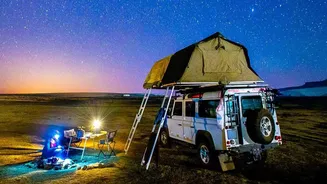
It might seem counterintuitive, but a key part of a responsible dark-sky experience is the meticulous management of light. While a regular tour might simply seek a location away from city glow, a responsible operator adheres to strict principles. This means using only fully shielded, low-intensity, warm-coloured lighting where absolutely necessary for safety. You’ll notice the prevalent use of red-light torches, as red light is less disruptive to human night vision and to nocturnal wildlife. In contrast, some casual tours might use bright white flashlights or even green laser pointers to indicate stars, both of which can impair night vision for the entire group and disturb the surrounding ecosystem. A responsible holiday is an exercise in preserving the natural darkness for everyone.
Education: Beyond the Constellations
Education on a standard night tour often begins and ends with identifying celestial bodies. A guide might show you Orion's Belt or the Big Dipper, sharing a few common myths. A responsible dark-sky tour or holiday offers a far richer educational component. Guides are often trained to speak not only about astronomy but also about the ecological impact of light pollution. You’ll learn how artificial light at night disrupts wildlife migration, breeding, and feeding patterns for the 69% of mammals that are nocturnal. There may be discussions on cultural astronomy, including the star lore of local and Indigenous peoples, and practical advice on how to implement better lighting practices back home. The experience aims to turn visitors into advocates for dark-sky preservation.
Location and Impact: Supporting a Movement
Where you go matters immensely. Regular tours may operate in any accessible area with decent visibility. A responsible dark-sky holiday, however, is intrinsically linked to place. These are often held in designated International Dark Sky Places, which have undergone a rigorous certification process to prove their commitment to preserving darkness. Choosing a tour in one of these locations—or staying at a DarkSky Approved lodging—means your tourism money supports communities and organizations actively working on conservation. It creates an economic incentive for towns and parks to maintain responsible lighting ordinances and protect their nocturnal environment. It’s a form of ecotourism where your visit directly contributes to the sustainability of the resource you’re there to enjoy.
The Experience: Reverence Over Rush
Finally, the overall feel of the experience is different. A standard tour can sometimes feel rushed, moving from one celestial highlight to the next to fit a tight schedule. A responsible dark-sky holiday encourages a slower, more immersive pace. It's about allowing your eyes to fully adapt to the darkness, which can take 20-30 minutes, and cultivating a sense of awe and quiet reflection. The emphasis is on a respectful, low-impact presence in a natural environment. Instead of being a passive spectator, you become a thoughtful participant in the nighttime world, leaving with not just photographs, but a profound appreciation for the darkness and the vibrant life it holds.